Kioxia market cap tops Toyota as AI trade reshapes Japan
Kioxia market cap briefly topped Toyota's as investors priced AI memory demand into Japan's hierarchy, but the memory cycle still matters.
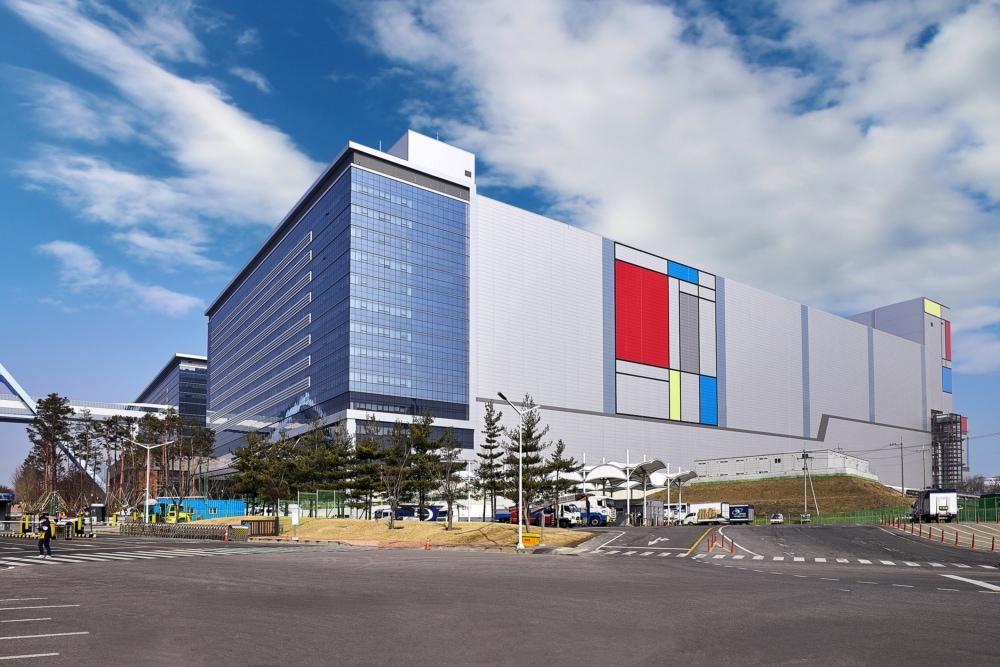
Kioxia Holdings Corp. briefly passed Toyota Motor Corp. in market value on Wednesday, a ranking shock that put a newly listed memory-chip maker ahead of Japan’s industrial benchmark as investors chased the AI infrastructure trade beyond the US megacaps.
By Wednesday’s high, Kioxia’s market capitalisation reached about ¥45 trillion, or $280bn, according to Nikkei Asia, after the stock rose as much as 7.2 per cent in intraday trading in Bloomberg’s account of the flip. In less than a year, the company moved from 169th to second in Japan by market cap.
For skeptics, the counterpoint arrived almost as quickly as the milestone. The same market that is rewarding scarcity in NAND flash and AI-linked memory can punish commodity producers when capacity catches up, pricing rolls over, or customers decide the next contract is too expensive. Investors are treating a cyclical business as if its cash flows are becoming strategic infrastructure.
The ranking change
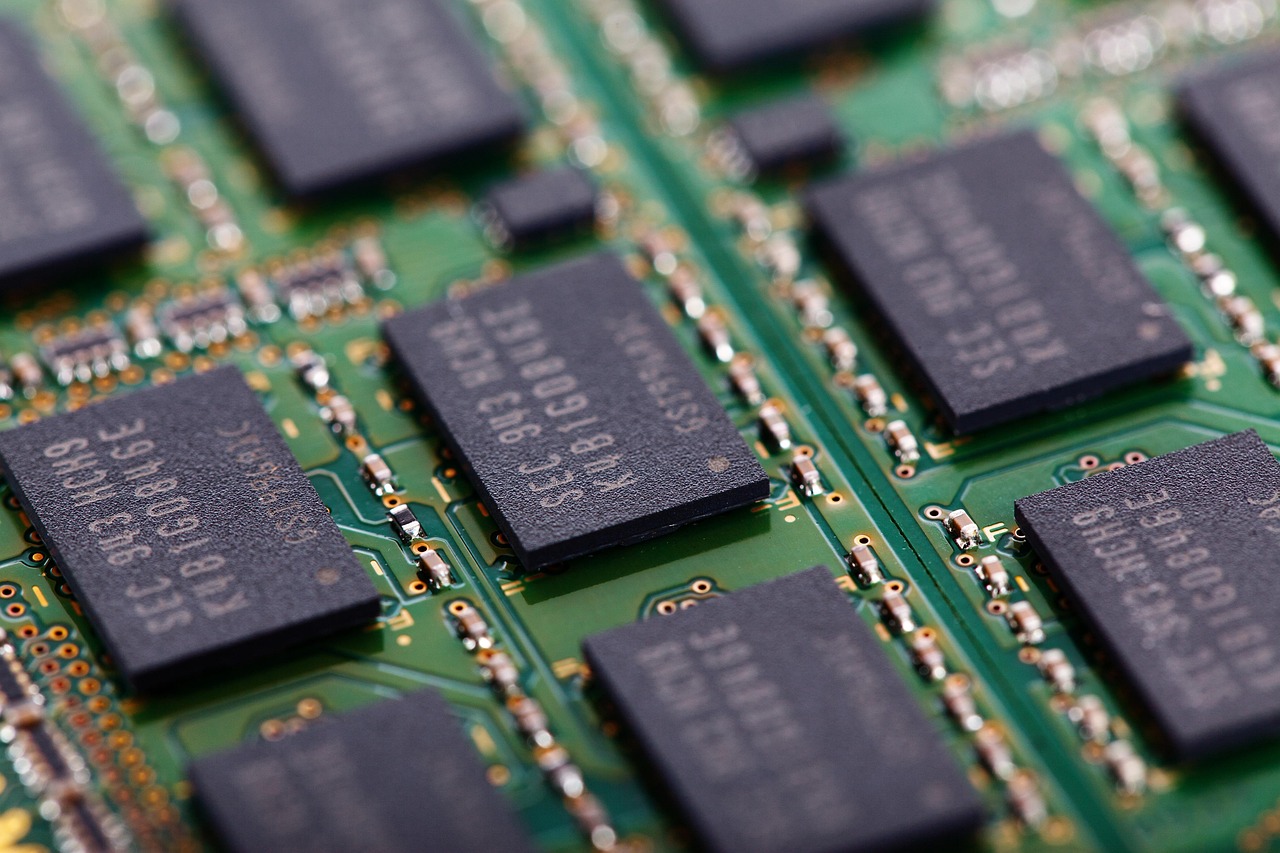
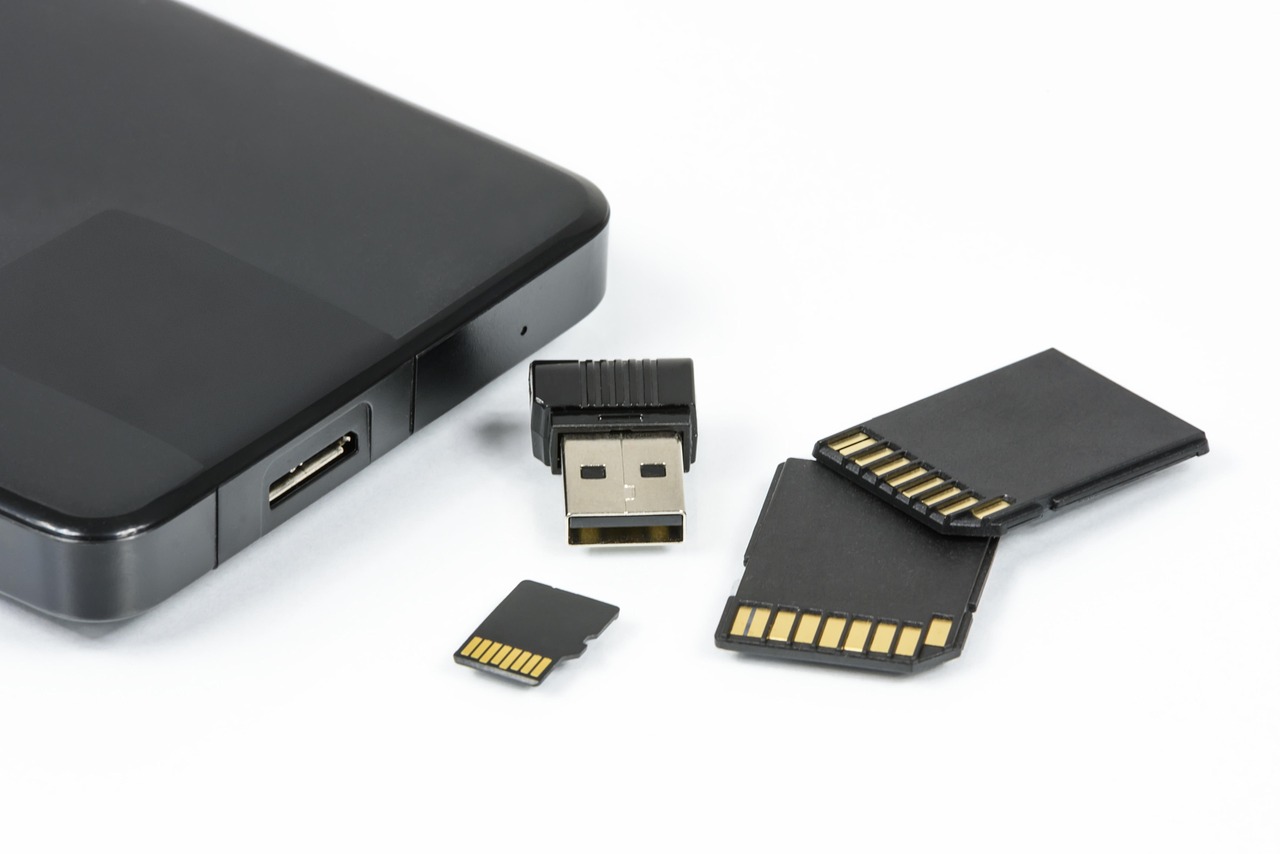
Corporate Japan rarely gets a cleaner symbol. Toyota has long been the easiest proxy for Japanese manufacturing strength: global scale, balance-sheet discipline, and a supply chain that shaped the country’s postwar export model. Kioxia, the former Toshiba memory unit, is a more volatile kind of champion. It makes NAND flash and related memory products, a part of the hardware stack now pulled into the AI build-out.
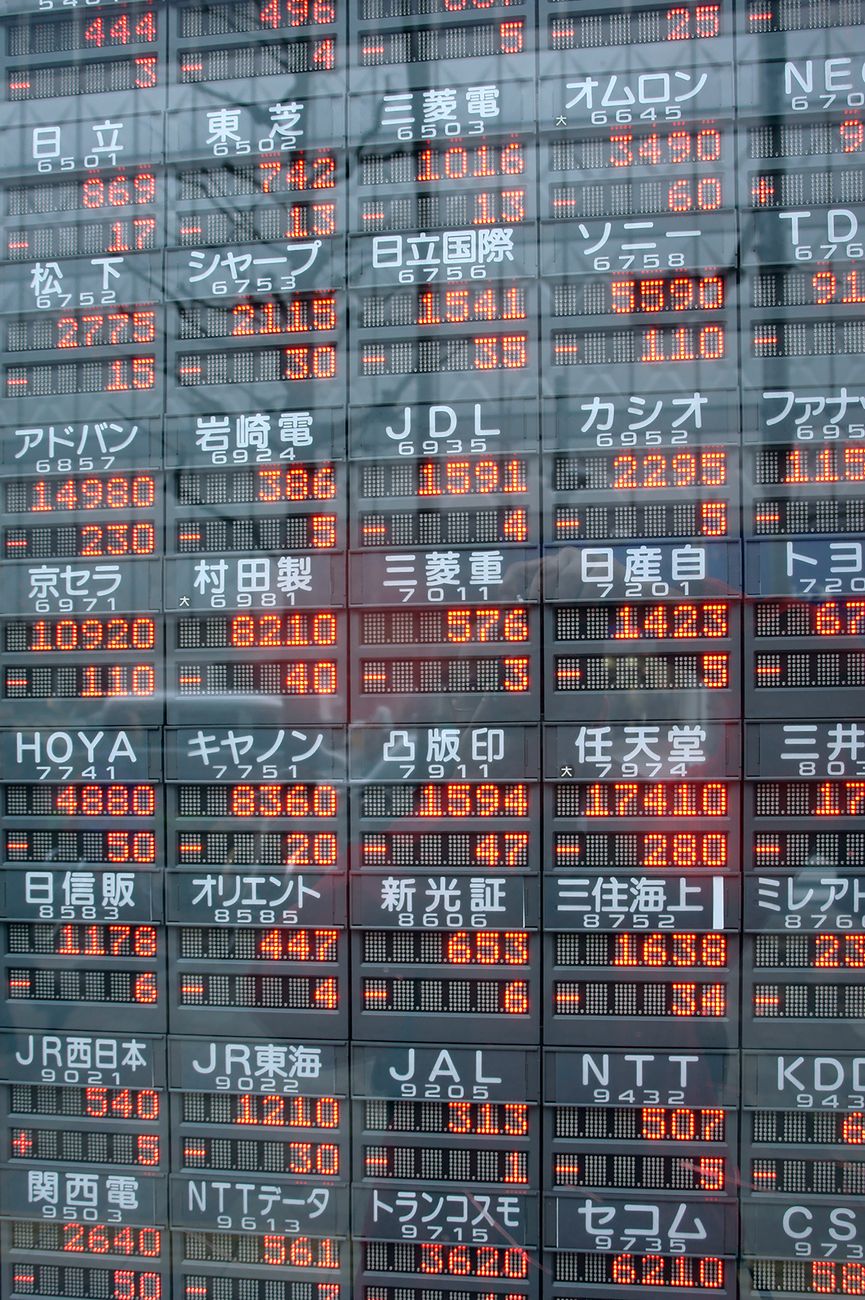
SoftBank had already displaced Toyota as Japan’s most valuable company after its market cap reached ¥48.8 trillion against Toyota’s ¥45.9 trillion, Reuters reported this week. Kioxia’s brief move past Toyota made the same argument from a different corner of the AI trade: not platforms, models, or venture stakes, but the memory that lets data centres run larger workloads.
Scale still cuts against the comparison. Kioxia is smaller in business breadth than Toyota and less diversified than SoftBank. Its public-market history is shorter. Its cycle is harsher. Yet its ascent says something about where marginal equity capital is going in Japan.
Autos, banks and industrial automation names still matter. They just no longer own the whole macro story.
Why memory is being repriced
A shift in customer behaviour sits underneath the bull case. If large cloud and AI customers lock in long-term memory supply, Kioxia’s earnings may look less like a classic boom-bust commodity series and more like contracted capacity attached to a structural computing cycle.
Kioxia Chief Executive Hiroo Ota pushed that argument directly in comments carried by Nikkei Asia.
“Several hyperscaler clients are looking to sign long-term contracts not only for fiscal 2028 but also for 2029 and beyond.”
— Hiroo Ota, Kioxia CEO, quoted by Nikkei Asia
Recent earnings guidance helped. Reuters reported in May that Kioxia forecast ¥1.3 trillion in operating profit for the April-June quarter as AI demand lifted memory markets. The company is also trying to signal that shareholders will participate in the cycle through dividends and buybacks, a useful message in a Japanese market that has become more impatient with idle capital.
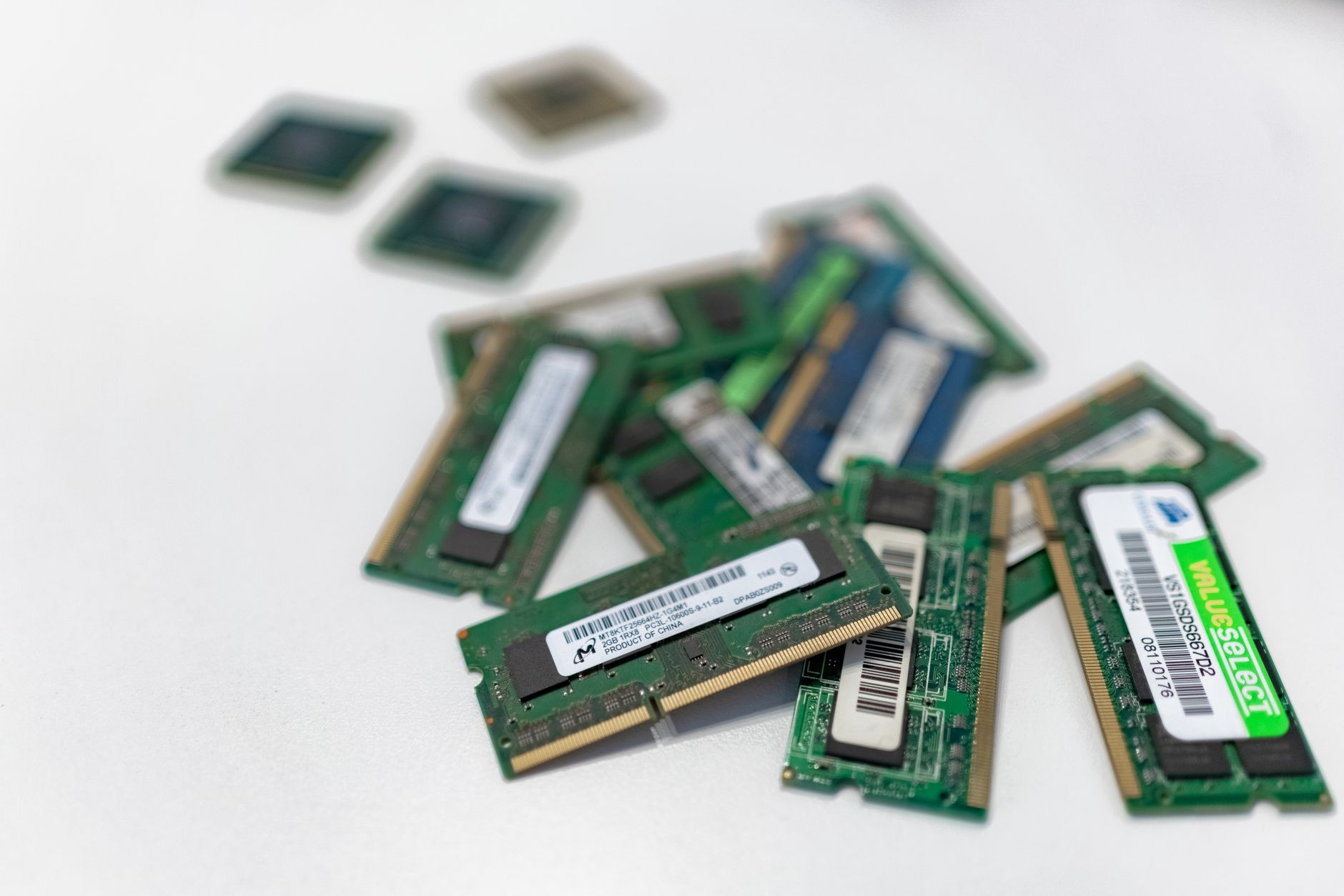
Management is not merely saying demand is strong now. It is arguing that demand visibility stretches into fiscal 2028 and beyond, which would soften one of the biggest objections to assigning a high multiple to a memory maker.
Analyst Kazuyoshi Saito, cited by Nikkei, captured the market’s willingness to believe the story after the company’s latest messaging.
“It delivered exactly what I was looking for.”
— Kazuyoshi Saito, quoted by Nikkei Asia
Across the sector, the same scarcity premium is visible. The Financial Times described semiconductor stocks as heading for their strongest start to a year since the dotcom era as AI demand drove capital into chipmakers. MarketWatch similarly framed the AI trade as a force remaking the global stock-market order, with memory names such as Micron, SK Hynix and Samsung benefiting from the same scarcity premium.
For Japanese investors, the theme now has several domestic expressions. SoftBank offers exposure through Arm and private-market AI bets. Kioxia offers a cleaner memory-cycle expression. Advantest and other testing-equipment names have their own link to semiconductor capex. Toyota remains enormous, profitable and globally relevant, but it is no longer the default answer to every question about Japanese equity leadership.
The cycle risk
Skepticism starts with the multiple, not the end-market. AI demand may be real while the equity market still capitalises good news too far into the future.
Peter Milliken’s caution around AI-linked Japanese market leaders, cited in MarketWatch’s coverage of the recent SoftBank downgrade, sits in that camp. The worry is familiar from every hardware cycle: scarcity raises prices, high prices invite new capacity and substitution, and the companies that looked strategically scarce begin to trade like commodity producers again.
Nelson Yu put the memory-specific risk plainly in the Financial Times.
“There is real demand creation here. But one of the things to watch out for, like with any commodity product, is that price increases do beget demand destruction.”
— Nelson Yu, quoted by the Financial Times
That sentence is the guardrail for Kioxia’s valuation. NAND flash and other memory products are essential, but they are not immune to pricing discipline from hyperscalers that negotiate hard and design around bottlenecks where possible. If memory costs rise too quickly, cloud customers can stretch upgrade cycles, optimise workloads, or shift capex toward parts of the stack with better economics.
Sequencing matters too. Equity markets often price the tightest moment in a supply cycle before the earnings evidence fully arrives. Kioxia’s leap from 169th to second in Japan by market cap is powerful, but it compresses a lot of assumed execution into a short period.
Long-term contracts need margins. Buybacks need cash. Capacity plans need timing discipline.
None of that makes the rally irrational. It means the ranking is less a destination than a live test. Kioxia must now show that AI-driven demand can turn memory from a trade into a durable earnings base.
What investors should read from it
The cleanest read-through is that Japan’s equity market is becoming more sensitive to the same capital-expenditure cycle driving Nvidia, Micron and SK Hynix. The AI build-out is not just changing which US companies dominate indices. It is changing the hierarchy of national champions in markets where investors can find credible hardware scarcity.
Briefly overtaking Toyota shows how far that repricing has gone. Kioxia is no longer being valued only as a recovering Toshiba carve-out or a cyclical memory supplier. It is being valued as part of the physical layer of AI.
Such framing can hold if hyperscaler contracts become visible, operating profit stays elevated, and shareholder returns convince investors that management will not simply spend the upcycle away. The company’s investor-relations materials will become more important as the market asks for evidence behind the new multiple.
Signs of a turn would hit quickly. A few weak pricing checks, a sign that customers are delaying orders, or a broader retreat from AI momentum would pressure a stock whose market-cap ascent has already turned symbolic.
Better, then, to read the moment narrowly. Kioxia did not replace Toyota as the centre of corporate Japan. It showed that the market is now willing to put AI memory in the same conversation as autos, software platforms and telecom investment companies.
Once a cyclical company is valued like infrastructure, the burden of proof moves from a strong quarter to a credible cycle.
Sloane Carrington
Markets columnist. Analytical pieces and deep-dives on monetary policy, capital flows and corporate strategy. Reports from New York.