Samsung, SK Hynix shares fall on $1.3tn capex plan
Samsung and SK Hynix shares fell as reports of a decade-long 2,000 trillion won chip-investment push raised fresh questions about returns in the AI boom.
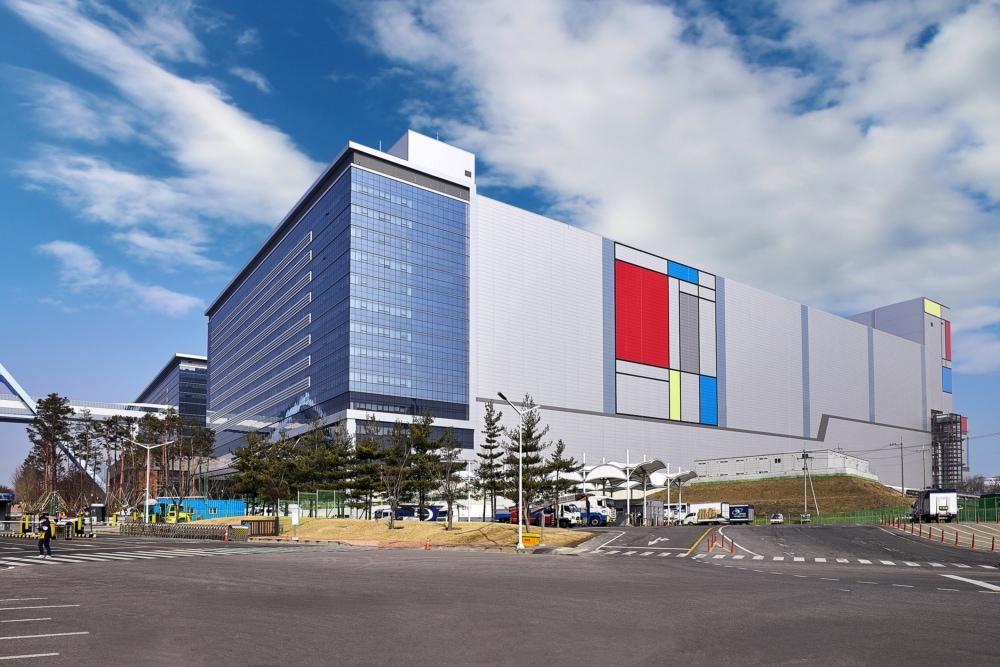
Shares in Samsung Electronics and SK Hynix fell on Monday after reports said the chipmakers could unveil as much as 2,000 trillion won, or about $1.3 trillion, of investment over the next decade. The reported scale changed the trade from simple AI exposure to an argument over capital discipline.
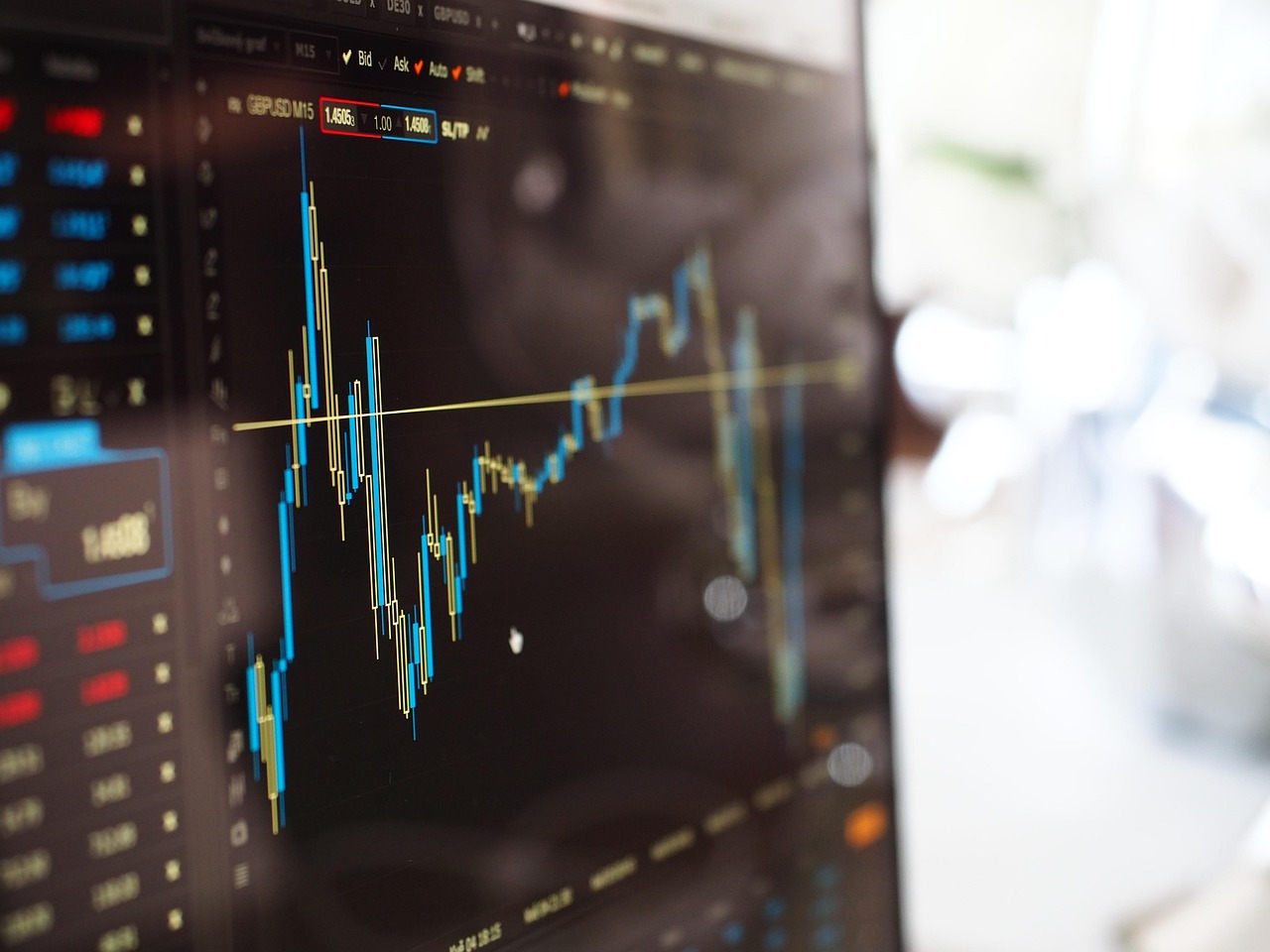
Samsung dropped 4.7 per cent in Seoul trading and SK Hynix lost 3.1 per cent after Korea Economic Daily said the companies could announce the plan with President Lee Jae Myung, CNBC reported. Investors did not appear to be rejecting AI demand. They were asking how long they may have to fund new capacity before returns are visible.
That question was already hanging over Samsung. Reuters reported earlier this week that Samsung Group was preparing a separate 1,000 trillion won, or roughly $648 billion, domestic investment programme over 10 years. Days earlier, another Reuters report showed SK Hynix had overtaken Samsung as South Korea’s most valuable company on demand for AI memory. SK Hynix has had the cleaner AI trade; Samsung still has to show that scale can turn into margin and market-share gains.
The capex question
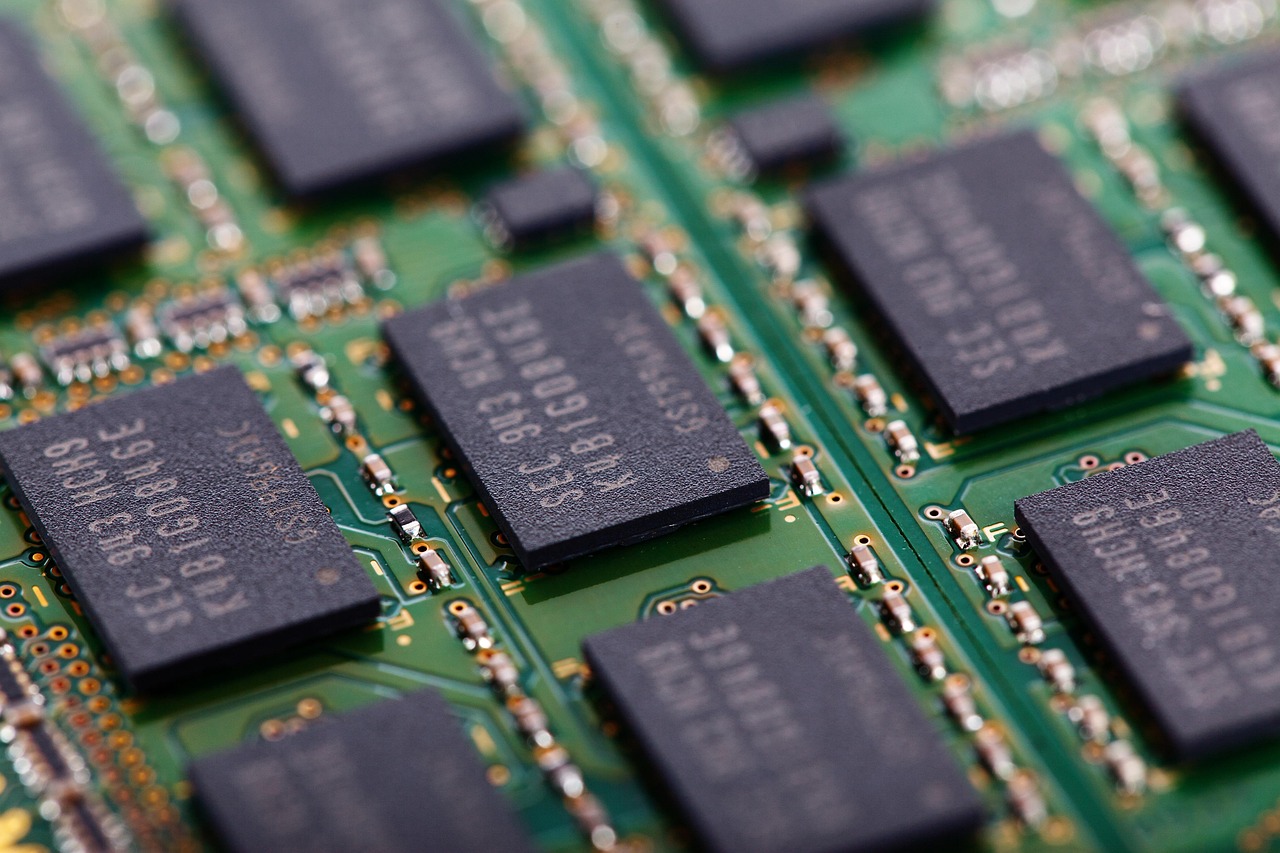
Chipmakers were always going to spend through this cycle. The difficult part is the amount, the timing and the mix. Memory producers are racing to add capacity for high-bandwidth memory, advanced packaging and the infrastructure around AI servers, while investors watch for the point at which that build-out starts to weigh on cash flow.
The reported 2,000 trillion won figure is larger than the Samsung-only sum that surfaced days earlier, so investors are parsing several layers. How much belongs to Samsung, how much to SK Hynix, how much would go into memory plants rather than data-centre infrastructure, and when would the money be deployed? Bloomberg reported that the broader package could span memory chips, data centres and robotics. Until there is a formal announcement, the same headline can read either as a long-dated industrial pledge or a nearer drag on free cash flow.
The uncertainty lands in a market that already treats the two companies differently. SK Hynix is more directly tied to the AI-memory upcycle. Samsung has faced tougher questions over whether it can close the gap in the most profitable parts of the stack. A decade-long investment plan does not resolve that. It makes the cheque larger, and gives investors another reason to demand evidence that spending discipline and product mix are moving together.
Policy and rivalry
Lee’s involvement adds a policy layer to the equity story. Reuters reported that his office was discussing new chip investments with Samsung and SK Hynix as part of a push to direct more development outside the Seoul capital region.
“The history of South Korea’s development is one of dazzling achievements and, at the same time, a process of accumulating severe imbalances and discrimination”
Lee Jae Myung, quoted by Bloomberg
The spending plan is therefore not only a corporate expansion story. It is also industrial policy, regional development and South Korea’s attempt to hold a larger share of the AI hardware chain. Bloomberg’s account cast the programme as part of a national effort to sustain the country’s AI lead, which helps explain why the state is close to the announcement even as shareholders focus on valuation.
The market’s calculation is narrower for now. AI demand remains real, and neither Samsung nor SK Hynix can afford to stand still in memory or adjacent infrastructure. The share-price drop shows investors want more than a number measured in trillions of won. They want to know who is spending what, when the cash goes out and how quickly that spending can protect returns in a chip cycle that has become more strategic and more expensive than the last one.
Avery Lin
Markets editor covering US equities, single-name stocks and quarterly earnings. Reports from New York.