China top court studies crypto case rules as disputes rise
China's Supreme People's Court said it will study rules for crypto-related cases as virtual-asset disputes and seized-token questions grow.
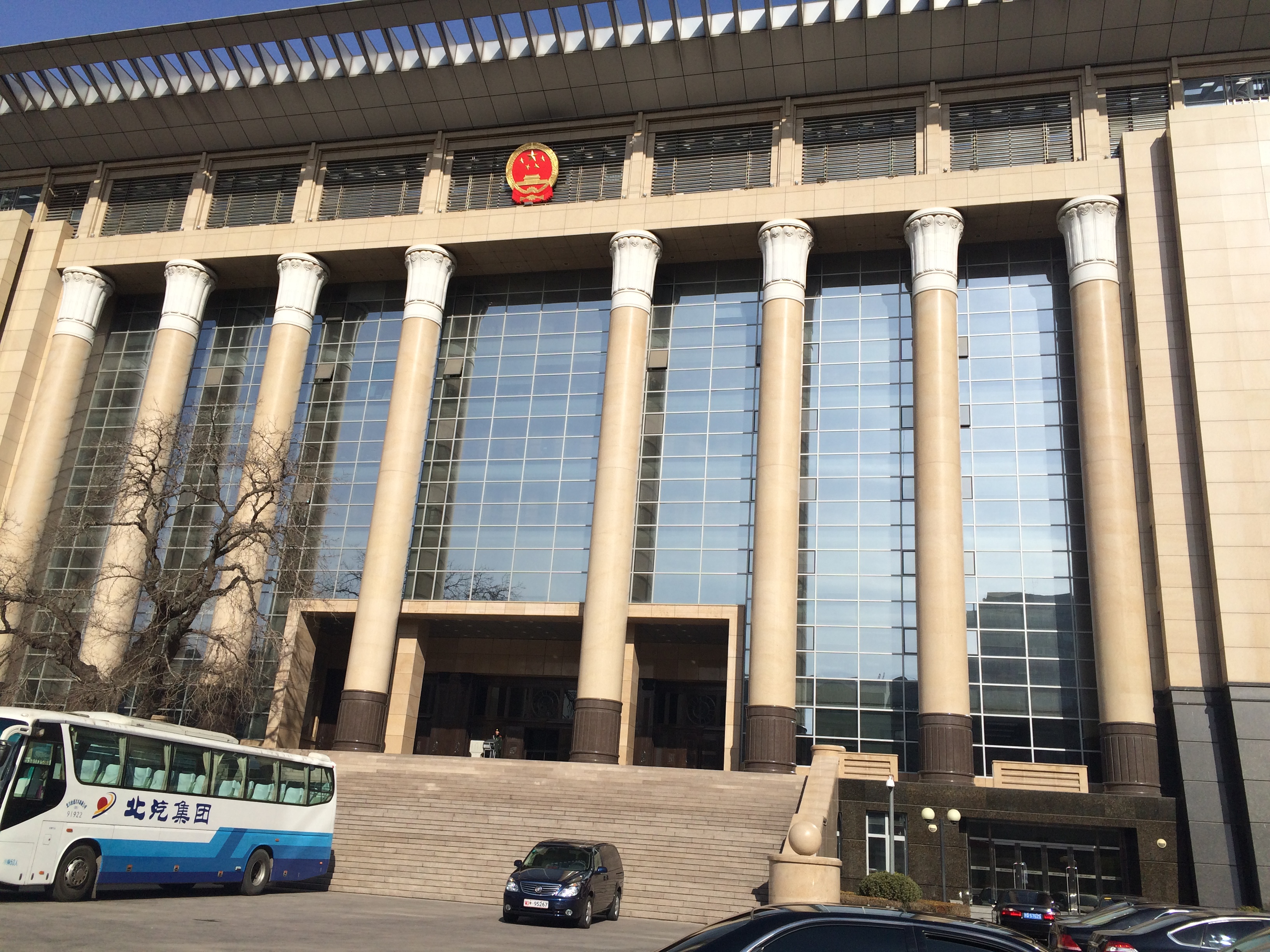
China’s Supreme People’s Court said on Wednesday it would study judicial rules for crypto-related cases as disputes over virtual assets rise, a step that points to a more formal court framework for handling token claims under China’s standing ban on domestic crypto trading.
Liu Guixiang, a member of the court’s adjudication committee, said the work responds to a growing caseload. The signal is procedural, not permissive. Beijing is not reopening crypto trading; it is trying to give judges and local officials clearer rules for token disputes, money-laundering cases and seized digital assets.
The move builds on a February notice from the People’s Bank of China and seven other agencies that tightened restrictions on virtual-currency activity and added scrutiny for real-world asset tokens. That document said “virtual currencies do not have the same legal status as fiat currencies,” according to Reuters.
Reuters said the February measures also exposed a harder legal question. Unified Labs chief executive Louis Wan told the news agency that the “biggest breakthrough” was a clearer separation between virtual currencies and RWA. That matters because some cases now turn on classification and enforcement, not only on whether trading itself is banned.
Pressure is also rising inside the courts and in local-government finance. Reuters reported in April that local governments were debating how to handle a growing stock of criminal crypto holdings. The report estimated they held about 15,000 bitcoin at the end of 2025, worth about $1.4 billion, and cited SAFEIS data showing 430.7 billion yuan tied to crypto-related crimes in 2023. Reuters also said 3,032 people were sued last year over crypto-linked money laundering.
Why the court move matters
Court guidance would not reopen the mainland market, but it could make enforcement less improvised. Once tokens enter civil or criminal cases, judges still have to decide how they are valued, who can claim them and how rulings fit alongside the national trading ban. Those questions get harder to settle case by case as more of them reach the courts.
China’s top court has already drawn a line between blockchain as an institutional tool and private tokens as financial instruments. In a 2022 opinion on strengthening blockchain application in the judicial field, the Supreme People’s Court backed broader blockchain use inside the legal system for evidence, records and case management. That leaves room for judicial use of distributed-ledger tools while keeping a hard line on token circulation.
Reuters’ April reporting also showed how much money is at stake. Local governments booked 378 billion yuan of penalty and confiscatory income in 2023, up 65 per cent in five years. Chen Shi, a professor at Zhongnan University of Economics and Law, told Reuters that one disposal workaround was “a makeshift solution that, strictly speaking, is not fully in line with China’s current ban on crypto trading.”
For markets, the immediate message is narrow. China is still signalling enforcement discipline, not liberalisation. But if the court turns this study into formal guidance, it could give judges a more consistent rulebook for token disputes, criminal proceeds and real-world asset structures that touch China.
Tomás Iglesias
Financial regulation and legal affairs. SEC, CFTC, FCA, market-structure and enforcement. Reports from Washington.