Singapore Warns Economic Outlook Dims Despite First Quarter Beat
Singapore's first quarter GDP grew 6 per cent year-on-year, beating consensus, but the trade ministry warned the outlook has weakened as the Strait of Hormuz disruption clouds global trade.
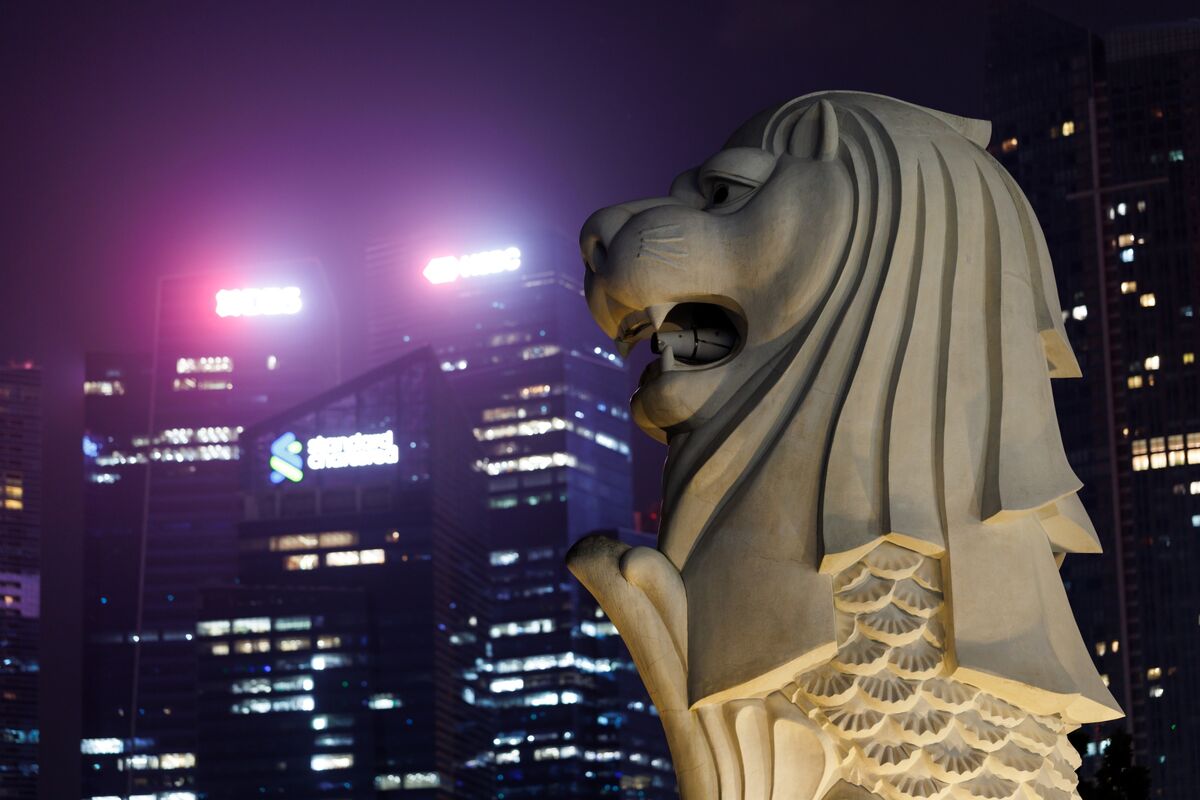
Singapore’s economy grew faster than expected in the first quarter of 2026, but the trade ministry warned that the rest of the year looks weaker as the Middle East energy shock tightens its grip on global trade.
GDP rose 1 per cent quarter-on-quarter on a seasonally adjusted basis, the Ministry of Trade and Industry said Monday. That was well above the 0.2 per cent median forecast in a Bloomberg survey. Year-on-year growth was revised to 6 per cent, up from a preliminary 4.6 per cent estimate and ahead of the 5.2 per cent consensus.
The beat came from the artificial intelligence investment cycle. Semiconductor fabrication and data-centre construction drove manufacturing output sharply higher. The information and communications sector kept expanding at a double-digit pace. Singapore has bet heavily on becoming a regional hub for chipmaking and cloud infrastructure — the first-quarter numbers suggest it is working.
But MTI left its full-year growth forecast unchanged at 2 to 4 per cent. The unchanged range signals that officials do not expect the first-quarter momentum to hold.
“Downside risks to Singapore’s economic outlook have risen significantly.”
— Singapore Ministry of Trade and Industry
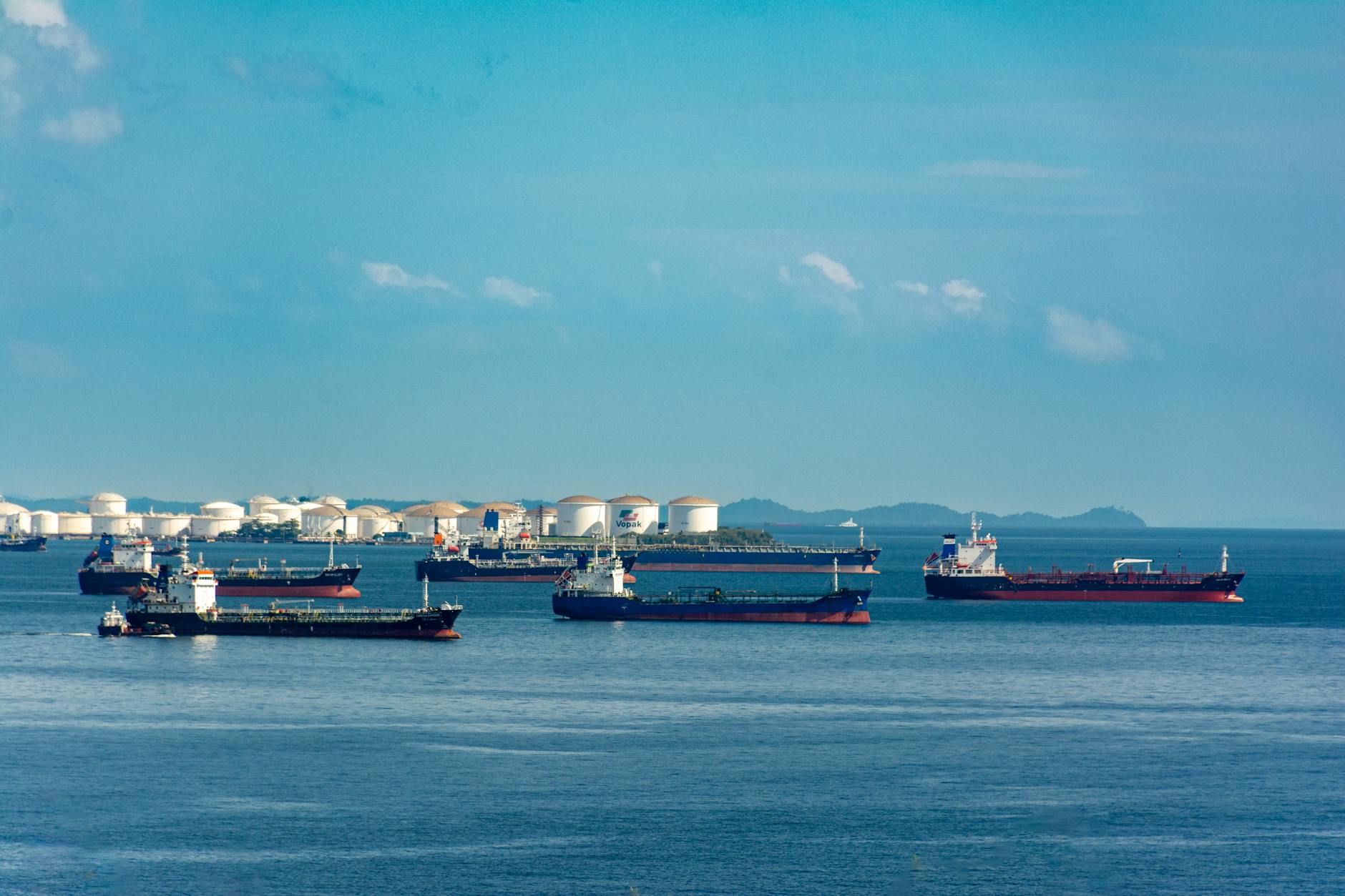
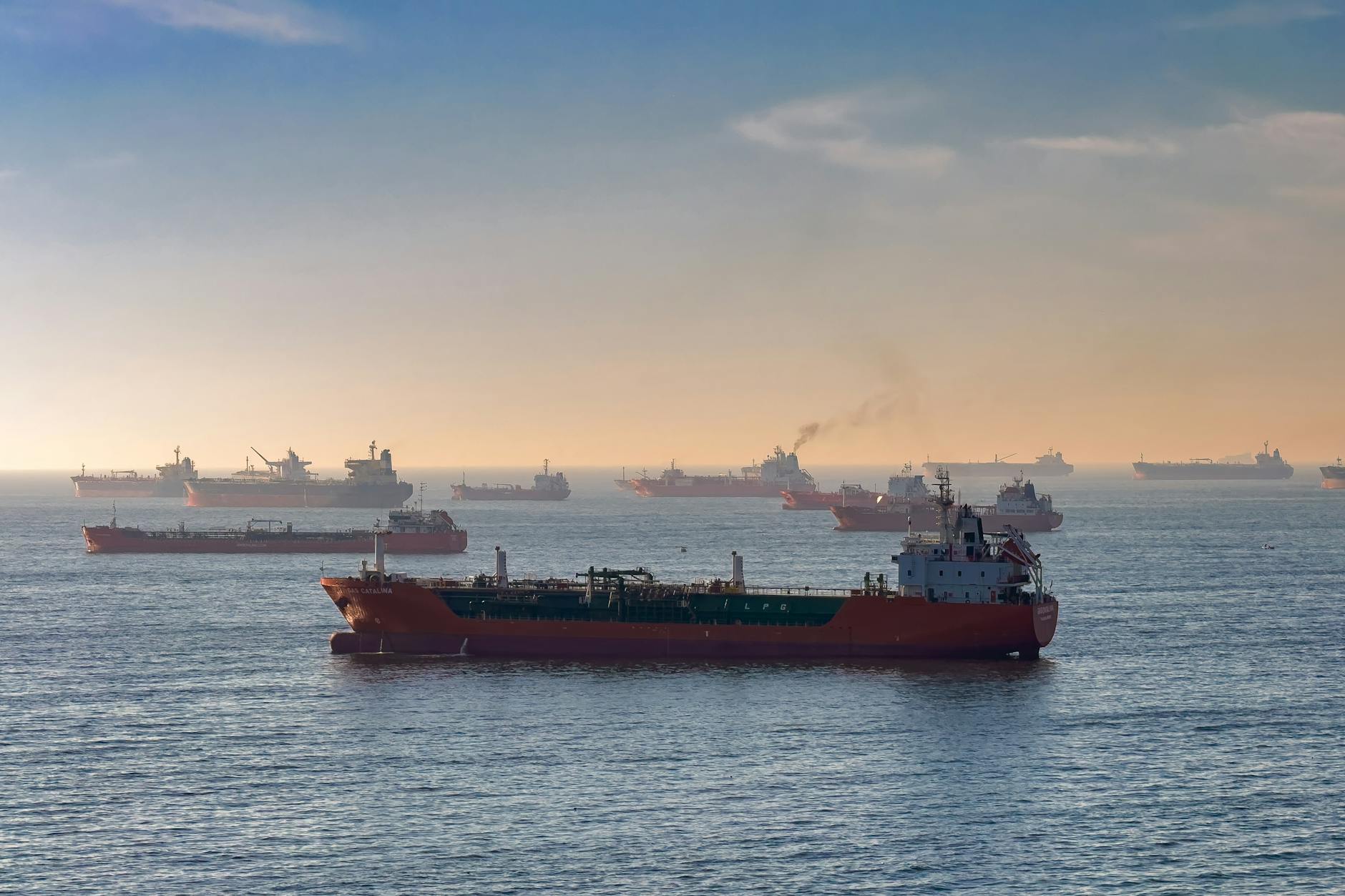
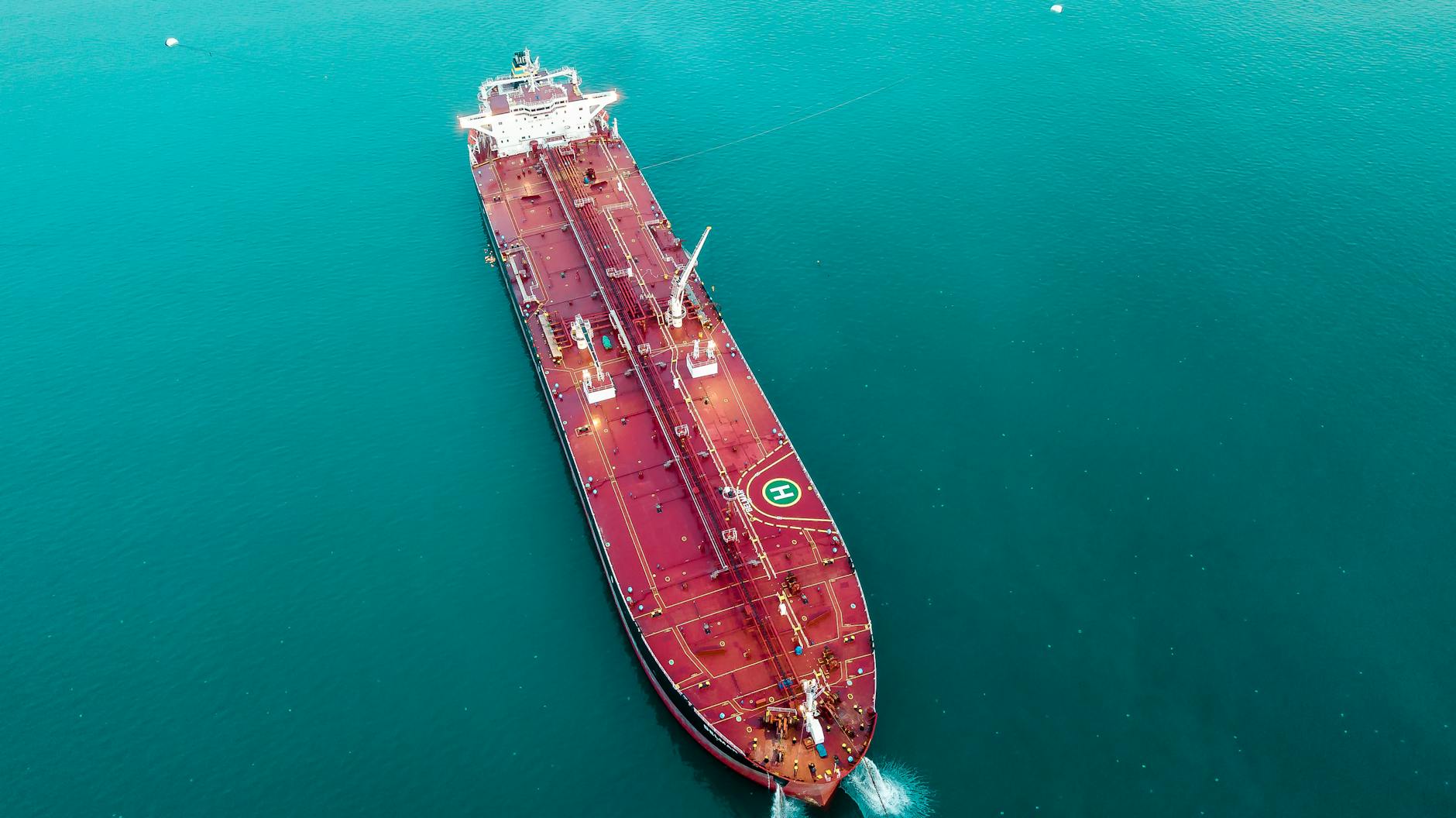
The ministry pointed to the Strait of Hormuz, the narrow waterway through which roughly a fifth of the world’s oil passes. The US-Iran conflict that began in late 2025 has choked off tanker traffic, pushing Brent crude from roughly $70 a barrel before the war to levels that have breached $100 at points this year. On May 25, Brent settled at $97.90, down 5.5 per cent on the day on hopes of a diplomatic breakthrough — still far above the pre-war baseline.
A diplomatic deal would not fix the supply picture quickly. Saul Kavonic, head of energy research at MST Financial, said the damage already done to production and global inventory would take years to reverse.
“Even in the most optimistic scenario from here, oil markets will remain tight through 2027 given the time required to normalise oil flows through the Strait, repair damaged oil facilities, and rebuild global oil stocks that have seen record depletion since the war began.”
— Saul Kavonic, MST Financial
Shipping has taken its own hit. Container lines rerouting around the Cape of Good Hope are adding weeks to delivery times and billions of dollars in extra fuel costs. That lands directly on Singapore, which sits at the centre of Asia-Europe trade routes and runs one of the world’s busiest transshipment ports. Lars Jensen, chief executive of Vespucci Maritime and a former Maersk director, said the rerouting is now locked into carrier schedules through at least the third quarter.
For Singapore the two shocks compound each other. The city state’s non-oil domestic exports are sensitive to both the oil price and the health of trading partners in Europe and North America. Each sustained $10 move in Brent translates into a measurable drag on manufacturing margins and shipping throughput at PSA International’s terminals.
The diplomatic picture has shifted fast. The Hill reported on May 28 that the US and Iran had reached a tentative deal to extend their ceasefire and reopen the strait. Kevin Hassett, director of the National Economic Council, separately told reporters that energy prices would fall “like nothing you’ve ever seen” once Iranian crude flows resumed, according to The Hill.
Others are less sure. Piper Sandler analysts pushed back, arguing the strait would stay largely closed for months and that oil would hit new highs before any sustained easing. A Bloomberg report separately detailed how a little-known Swiss trading house had managed to get a single Iraqi supertanker through the strait, underlining just how tight the chokepoint has become.
“If the US and Iran can reach a deal soon that opens up the Strait of Hormuz, then that downside growth risk will diminish and Singapore’s growth could come in at the upper end of MTI’s forecast range,” said Khoon Goh, head of Asia research at ANZ.
The inflation picture is, for now, benign. Singapore’s core inflation fell to 1.4 per cent in April, well below the 1.7 per cent consensus and under the Monetary Authority of Singapore’s 2 per cent medium-term comfort level. That gives MAS room to hold policy steady at its next review even as the external outlook clouds.
The bind
Singapore cannot control the energy shock. Strong domestic momentum from the AI cycle is colliding with a supply crisis that has already pushed up costs and stretched delivery times across the shipping network. If Hormuz reopens in the coming weeks, the second half could still land near the top of MTI’s 2 to 4 per cent band. If the tentative ceasefire collapses, the bottom of that range will feel optimistic.
Helena Brandt
Macro reporter covering the Federal Reserve, ECB, inflation prints and jobs data. Reports from Washington.