Australia LNG Reservation Extended to Existing Export Contracts
Australia is extending its LNG domestic reservation requirement to cover existing export contracts, escalating government intervention in energy markets as the Iran war keeps global supply fears at the top of policy agendas.
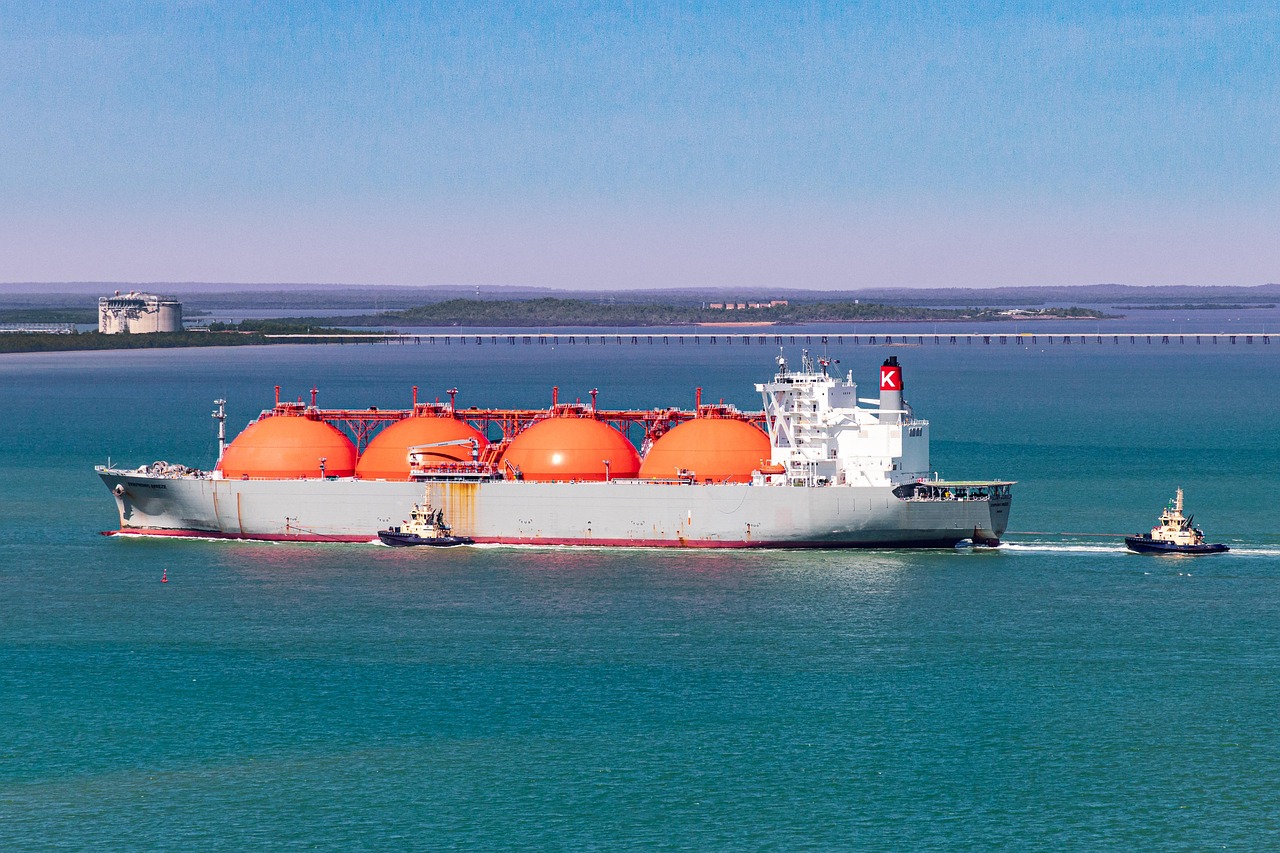
Australia is extending its LNG reservation policy to cover existing export contracts, a shift that reaches deeper into commercial arrangements than Canberra had flagged. LNG producers must now reserve 20 per cent of all exports for the domestic market — spot cargoes, uncontracted volumes, and contracts already in force.
The framework, released by Energy Minister Chris Bowen’s department, treats contracts signed before 22 December 2025 as exempt. Anything committed after that date is caught. Government figures put natural gas at roughly 10 per cent of Australia’s total exports in the 2024-25 financial year, with Japan, South Korea, China and Southeast Asia taking the bulk of the cargoes.
Santos’s Gladstone LNG venture — GLNG — appears to be the government’s principal target. GLNG buys gas from the Australian domestic market to feed its export contracts. Analysts say those purchases have tightened supply for local households and manufacturers, and the policy has been structured to push the project toward contributing more gas at home.
“Given GLNG’s purchases of gas from the domestic market have arguably contributed to worsening market conditions, it is not surprising the government has designed the policy in a way that seeks to ensure GLNG contributes gas supply domestically.”
— Josh Runciman, Australian gas analyst, IEEFA
Industry pushed back the same day. Samantha McCulloch, chief executive of Australian Energy Producers, called the proposal a framework that “imposes complex and opaque compliance obligations, threatens existing export contracts and entrenches a structural oversupply that would mute investment signals for new domestic gas supply.”
“It will also send a concerning signal to key trade and investment partners including Japan, South Korea, Malaysia and Singapore, which have been given repeated assurances from Prime Minister Anthony Albanese that LNG contracts will not be impacted by the reservation scheme.”
— Samantha McCulloch, Australian Energy Producers
The policy lands while the global LNG market is already tightening. The closure of the Strait of Hormuz since the Iran conflict intensified has removed roughly 20 per cent of global LNG supply — mostly Qatari cargoes previously bound for Asia and Europe. S&P Global projects a cumulative shortfall of 135 million metric tons through 2034. That supply gap is forcing governments to choose between export revenue and domestic energy security, and Australia has now chosen the latter. Asian spot prices have already risen, and Jeff Currie, the veteran commodities strategist at Carlyle, recently warned that Asian oil and gas markets sat at “tank bottoms.”
Saul Kavonic, head of energy research at MST Marquee, said governments across the region are now comfortable overriding commercial terms when supply anxiety runs high. What makes Australia’s intervention different is that it reaches into contracts already signed and financed. For buyers in Tokyo, Seoul and Singapore that built supply strategies around Australian offtake agreements assumed to be insulated from politics, the move introduces sovereign risk into the foundation of those deals.
The policy is expected to reach parliament in the coming months. The question now is enforcement. If Canberra applies the reservation aggressively to existing offtake agreements, it could reshape the investment case for the country’s roughly A$300 billion LNG sector. If implementation softens — and the global supply picture improves before the Australian winter demand peak — the policy may look more like signalling than structural change.
Reza Najjar
Commodities desk covering oil, natural gas, gold and base metals. Reports from London.