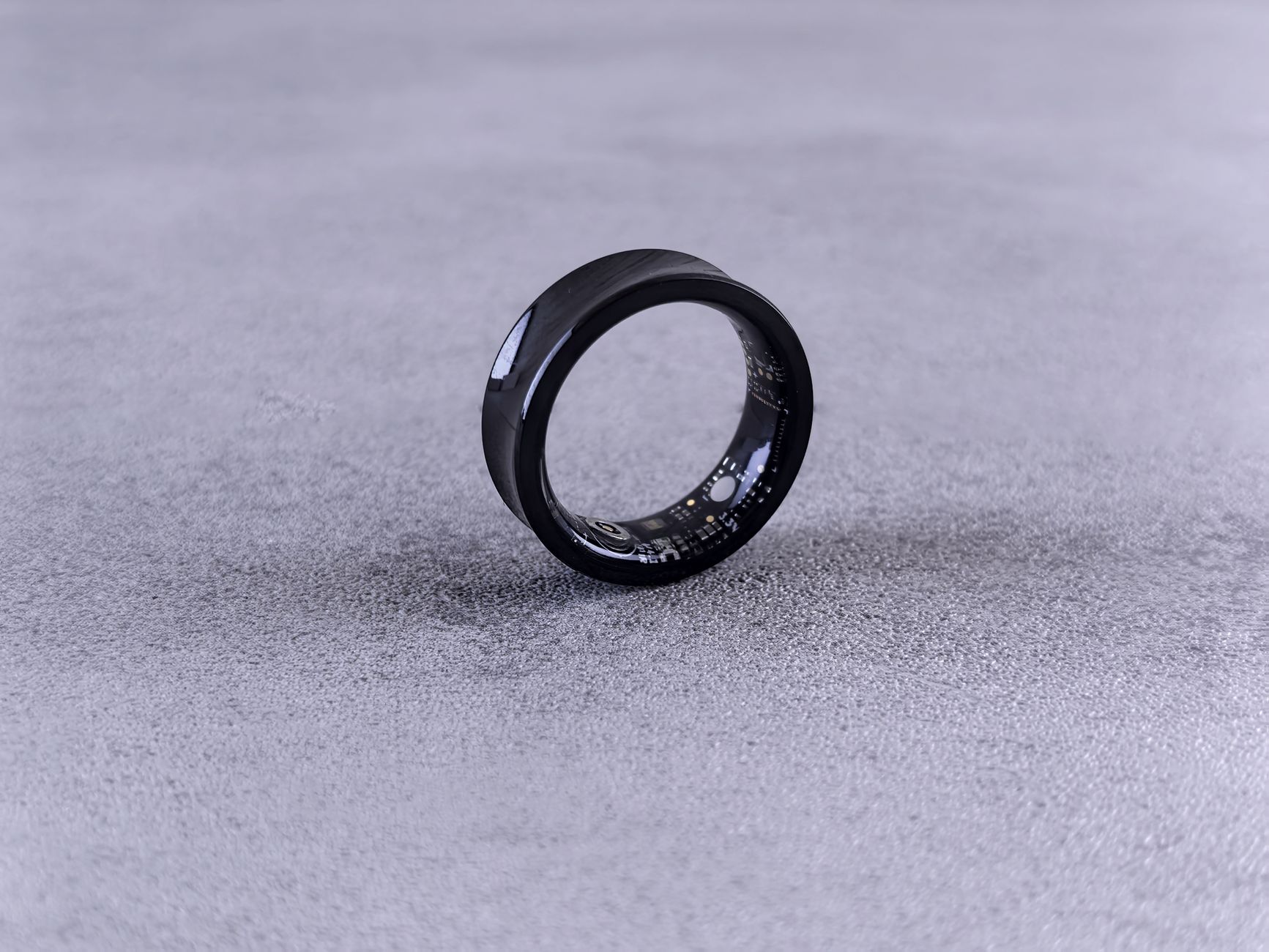
Oura IPO filing adds consumer tech to 2026 window
Oura IPO filing adds a consumer-tech name to the 2026 listing rush, testing whether investors will back wearables beyond AI's biggest offerings.
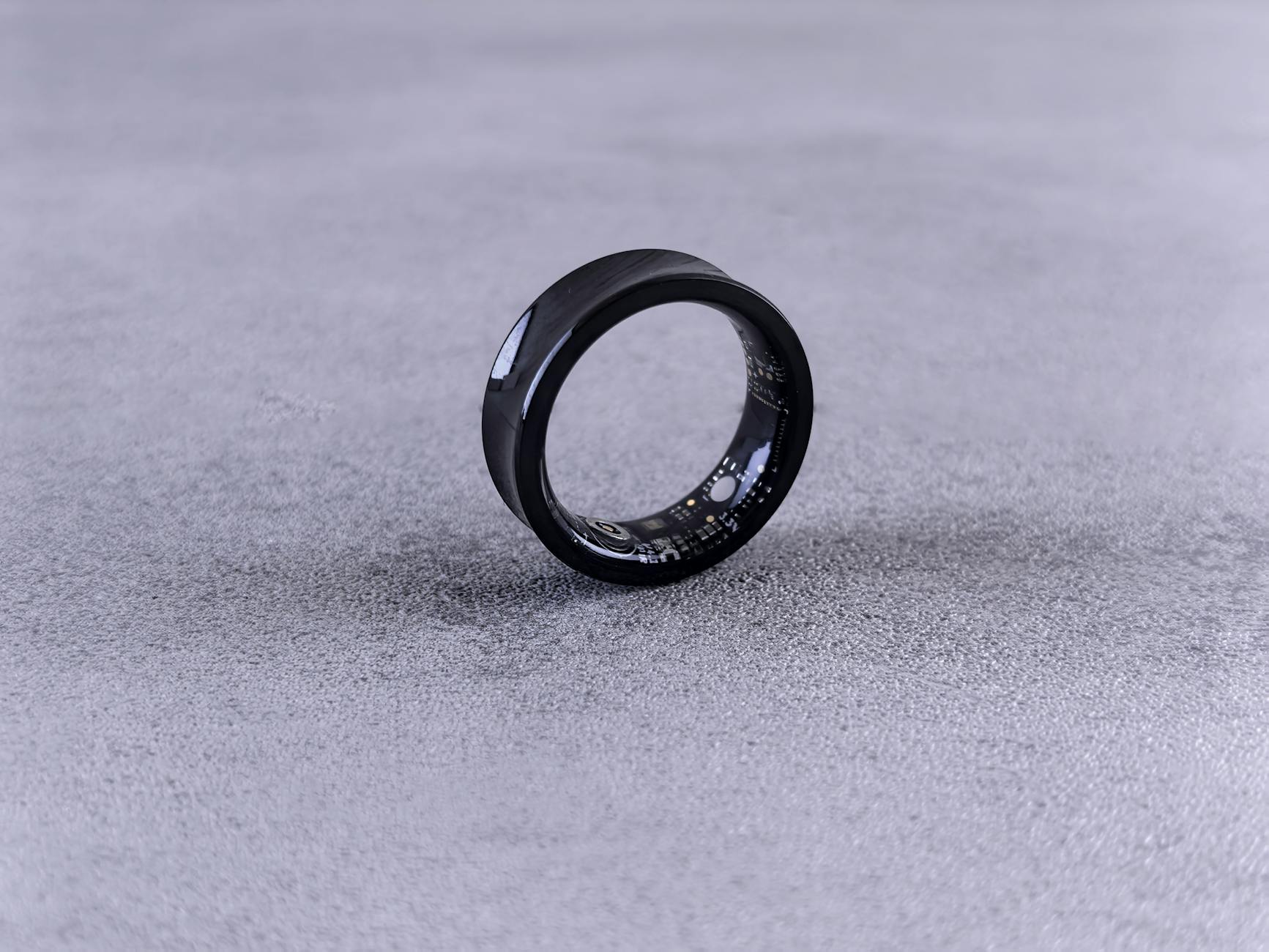
Oura confidentially filed a draft registration statement for a U.S. initial public offering on Thursday, giving the 2026 listings queue a recognizable consumer-tech name after weeks of attention on AI giants and other marquee private companies. The company said the number of shares and the proposed price range had not yet been set.
The missing terms are standard in a confidential S-1. What stands out is the timing. Oura is moving ahead while bankers and fund managers weigh whether the rebound in U.S. new issues can extend beyond the biggest artificial-intelligence names. The filing gives investors a cleaner read on appetite for a branded wearable company with subscription revenue rather than another compute or software story.
CNBC reported that Oura was last valued at $11 billion in October after a $900 million Series E round and is on track to surpass 5 million paid members this quarter. CNBC also said Chief Executive Tom Hale told investors in November that Oura was aiming for nearly $2 billion in 2026 sales. Those numbers help Oura argue that it is more than a hardware maker selling rings into a fickle consumer cycle.
Hale has made that case in public. CNBC reported that he said Oura had earned the trust of millions of users trying to understand “some of their most personal health signals.” For public-market investors, the larger point is that paid memberships can make a wearable business look closer to a recurring-revenue platform than to a one-off device launch.
Beyond the AI queue
The backdrop is busy. Reuters wrote that U.S. IPOs with market capitalizations above $50 million have raised $28.9 billion so far this year, up 146 per cent from the same point a year earlier. At the top of the queue, CNBC’s earlier analysis of the Cerebras debut argued that blockbuster AI offerings from companies such as SpaceX and OpenAI are drawing investor attention toward a small club of perceived winners.
The significance reaches beyond Oura itself. If the market has room for a recognizable consumer-tech issuer alongside the AI names, the 2026 window is broader than the headline narrative suggests. If it does not, the filing will reinforce the view that capital is concentrating around a handful of giant private companies with scale, scarcity and a simple story for institutions to underwrite.
Investors are already talking about the divide in those terms. In that same CNBC analysis, Sapphire Ventures partner Jai Das described the market this way:
“It’s a story of haves and have-nots.”
— Jai Das, Sapphire Ventures, to CNBC
Oura is now testing whether a high-growth wearable brand can be treated as one of those haves. Bloomberg reported that the confidential filing adds another closely watched name to the active pipeline. The company still has to show public investors that its growth, retention and revenue mix justify a valuation last marked at $11 billion in the private market. Consumer-tech issuers rarely get much time to explain away a gap between brand strength and financial durability.
The confidential filing leaves those questions open. It also tells the market that Oura and its advisers believe the window is open enough to start the process now. In a year when the biggest expected debuts have been defined by AI ambition and scale, Oura is offering a different proposition: a consumer company with 5 million paid members, an almost $2 billion sales target and a chance to show that the 2026 IPO rebound is not reserved for the largest names in tech.
Naomi Voss
Banks and deals reporter covering bank earnings, fintech, M&A and IPOs. Reports from New York.