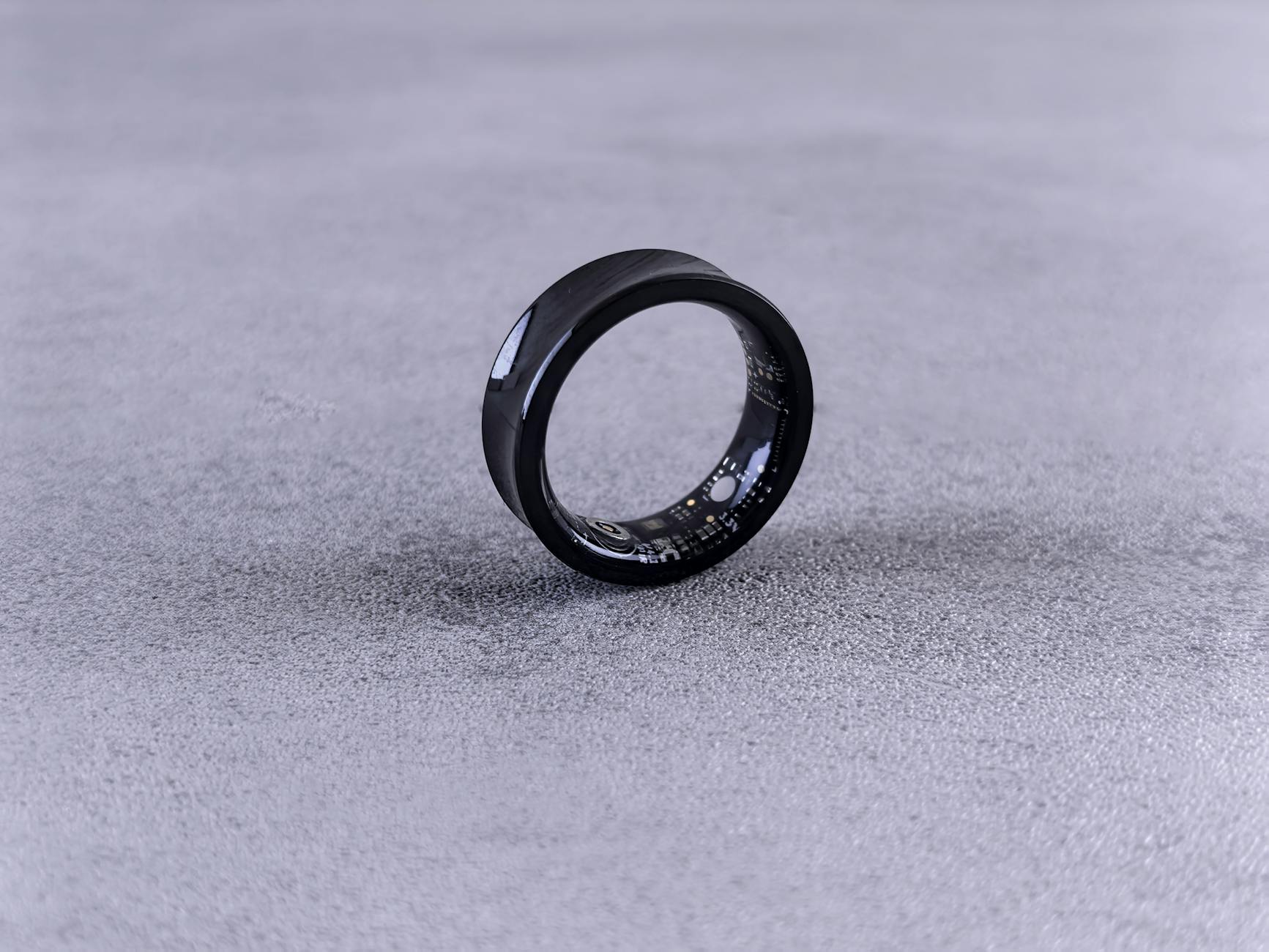
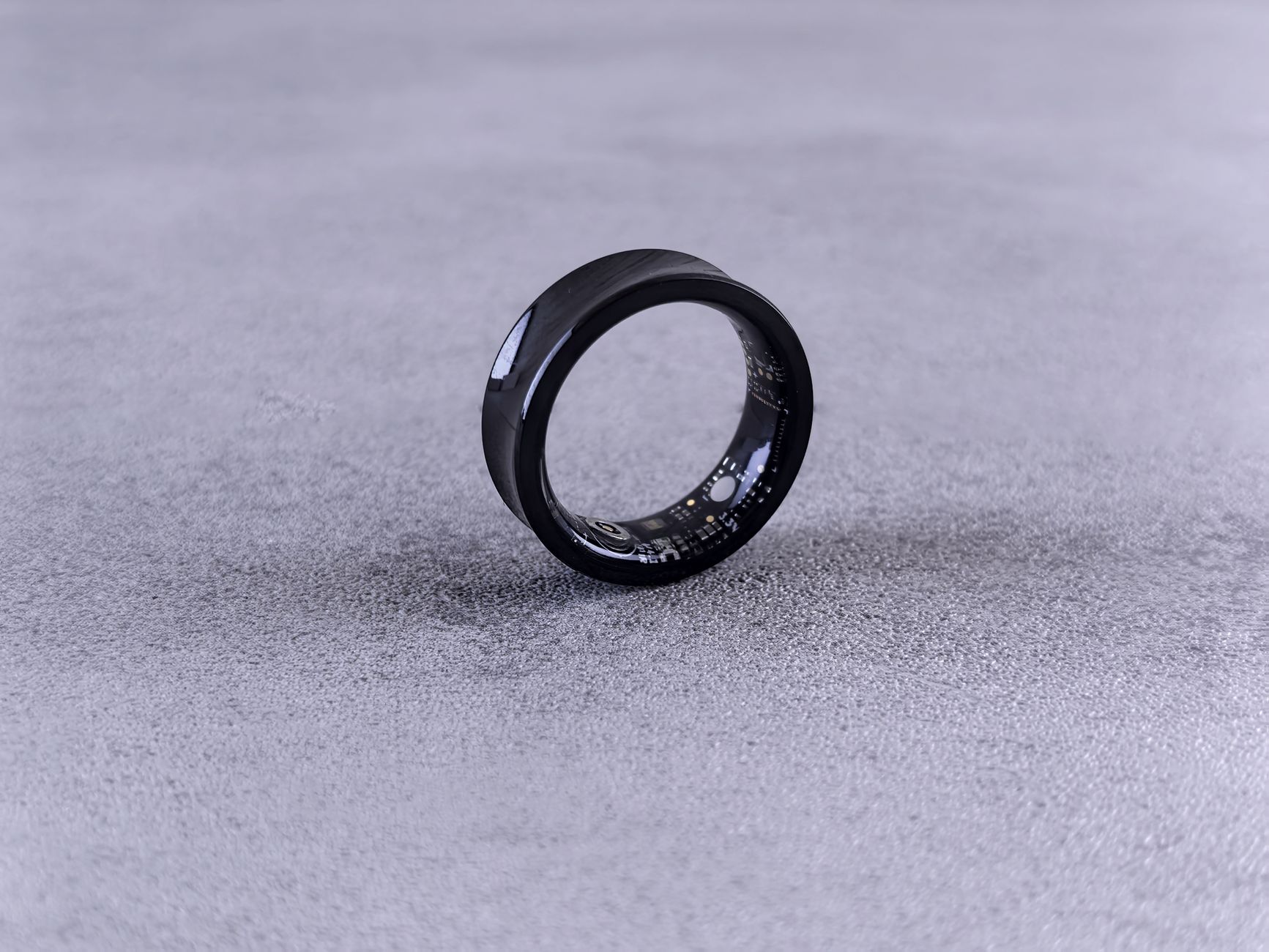
Oura IPO tests hardware against the 2026 AI listing wave
Oura IPO gives investors a rare hardware listing built on ring sales and paid health members as OpenAI and SpaceX dominate the 2026 calendar.
For investors staring at a 2026 IPO calendar crowded by OpenAI and SpaceX, Oura’s confidential filing offers a very different proposition: a consumer hardware business trying to persuade public markets that a finger-worn device can deserve attention in an AI-obsessed tape. The bet is not that Oura can match those names on scale. Investors still have room for a company built on ordinary, older virtues, repeat customers, recurring payments and a product people actually buy with cash rather than speculation.
That framing is why the filing matters beyond wearables. CNBC reported Oura is on track to surpass 5 million paid members this quarter, while its September 2025 funding round valued the company at $11 billion. In a separate September 2025 company release, Oura said it had sold 5.5 million rings and doubled revenue for a second year in a row. That is the insider case in compact form: the company is not arriving as a neat gadget story, but as a scaled health platform that happens to start with hardware.
Still, the analyst view lands in a different register. Bloomberg Opinion, citing IDC analyst Jitesh Ubrani, put Oura’s 2025 global smart-ring share at 61.1 per cent. Leadership in a young category can signal moat, but it can also mean the category is still small enough for the leader to look larger than it really is. The skeptic’s question follows quickly: if public investors are being asked to underwrite a premium multiple, are they buying durable health-subscription economics, or just the first well-marketed ring before larger platforms push pricing down?
Timing sharpens that question. Semafor said OpenAI and SpaceX are both lining up potential debuts, and CNBC reported traders were already sketching valuations for those names that would dwarf most of the market. Confidential filing buys Oura room to choose its moment after Securities and Exchange Commission review, rather than pre-committing to a noisy public timetable. But optionality cuts both ways. It can protect pricing if risk appetite holds, or leave a smaller issuer waiting behind bigger stories that absorb the oxygen.
What Oura is really selling
The strongest version of Oura’s IPO story is that the ring is only the entry point. What the company is really trying to float is a recurring health-data business that uses hardware as distribution. That distinction matters because public markets usually punish device names that rely on one-off upgrade cycles, inventory turns and holiday-quarter spikes. Markets tend to be more patient with companies that can show paid membership, habitual engagement and a reason for customers to stay after the unboxing moment.

Oura chief executive Tom Hale made that scale argument explicit in the September release announcing the company’s latest operating milestone:
This milestone is a testament to the incredible demand for our product.
Tom Hale, Oura chief executive
Promotional language aside, the quote points to the part of the filing investors will care about once the prospectus becomes public: how much of that demand converts into sticky membership revenue, what retention looks like after the first purchase, and how much gross profit sits on the far side of hardware costs. If the answer is that the ring reliably pulls users into a paid health relationship, Oura can argue for software-like elements in the valuation discussion. If the answer is weaker, the equity story starts slipping back toward premium consumer electronics.
Plenty of public investors do not lack for growth stories in 2026. What they lack is clear proof that growth can survive the shift from private-money narrative to public-market disclosure. Late-stage capital already bought the argument, if Bloomberg’s reporting on Oura’s confidential filing and private-market positioning is any guide. Public investors will be less forgiving. They will want to see the split between hardware and membership revenue, customer acquisition cost, churn and whether health partnerships create real stickiness or merely good slides.
That is also where the market-window perspective loops back into the insider one. A smaller issuer does not need to beat the AI giants on magnitude. It needs to look cleaner on economics. In a calendar dominated by frontier-model capex, Oura’s opening is that it can offer something simpler to understand: a premium device, a subscription layer and a category leader’s brand. The more legible that package looks, the better chance it has of getting priced before mega-listings set the tone for everything else.
Why timing may matter more than technology
The harder part of the pitch is that Oura does not own an empty field anymore. Google’s Fitbit Air launch widened the screenless-health category this month, while Wired’s 2026 smart-ring guide and other buyer roundups increasingly treat Samsung, RingConn and Ultrahuman as credible alternatives rather than curiosities. That does not erase Oura’s lead. It does mean category leadership now has to survive comparison shopping, ecosystem bundling and the usual squeeze that arrives when incumbents decide a niche has become worth attacking.
In his column on the filing, Bloomberg Opinion’s Dave Lee boiled that risk down to six words:
hardware is hard, wearables are even harder
Dave Lee, Bloomberg Opinion
Six words compress a lot of public-market history. Hardware companies do not only have to persuade consumers to buy. They have to manage supply chains, sensor accuracy, battery life, returns, warranty risk and the awkward fact that a premium product can be admired long before it becomes widely owned. Wearables add another layer because the product is intimate, health-adjacent and easy for larger platforms to surround with software features. A smart ring that feels distinctive in a private market deck can look less singular once investors compare it with what Samsung, Google and, eventually, Apple can do with distribution.
Viewed that way, Oura’s reported 61.1 per cent smart-ring share cuts two ways. It suggests the company built the only scaled brand in the category so far, which is the analyst case for urgency. At the same time, it implies the next leg of growth comes with better-funded competitors already on the field, which is the skeptic’s case for caution. If Google can use Android reach to widen Fitbit Air, if Samsung leans on handset cross-sell, or if Apple keeps turning health coaching into an ambient feature across devices, Oura’s premium pricing will have to rest on accuracy, brand trust and membership utility rather than novelty.
Put differently, the market-window question is not separate from the competition question. It is the same question expressed in time. Oura probably does not want to be the small hardware name still waiting in line once investors are busy ranking trillion-dollar AI-adjacent aspirations. The appeal of moving earlier is obvious: get the company in front of accounts while the contrast still helps. Oura looks differentiated when the market is asking whether every 2026 listing has to be a model lab or a rocket company. It looks more vulnerable if the calendar turns into a simple contest for attention.
For scramnews readers, that is the real signal in the filing. A healthy IPO market cannot live on mega-cap AI names alone. It also needs offerings that test whether investors still reward category leadership, repeat purchases and recurring revenue even when the product is plain old hardware. Oura’s ring is what customers wear. Its actual IPO pitch is that those older economics can still clear the market before the giants take the whole screen.
Naomi Voss
Banks and deals reporter covering bank earnings, fintech, M&A and IPOs. Reports from New York.