Perli says Fed rate control can absorb lower reserves
Fed reserve demand is back in focus after Roberto Perli said the New York Fed can keep rates on target even as reserves drift lower and cuts recede.
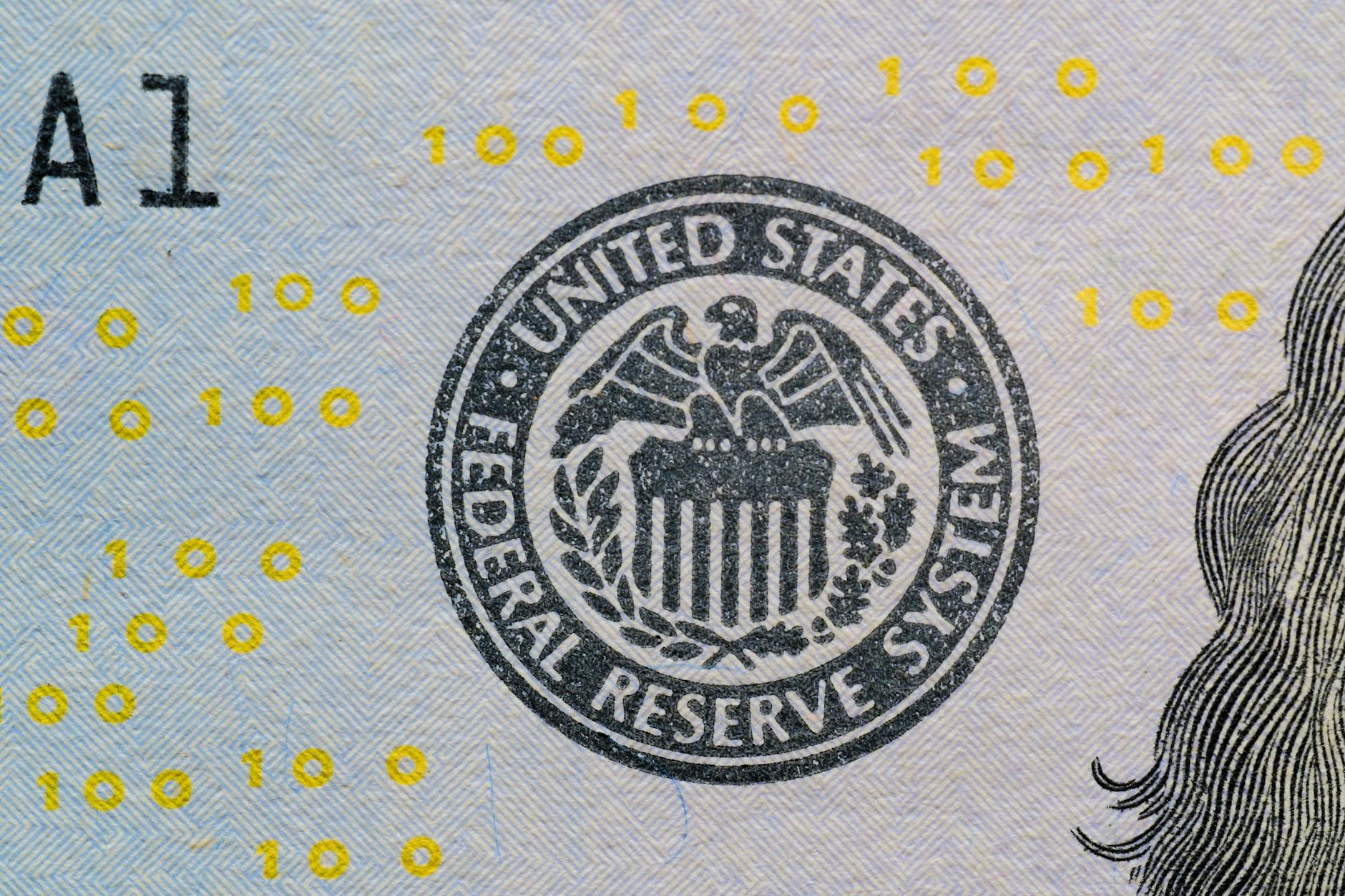
New York Fed markets chief Roberto Perli said on Tuesday that the central bank’s ample-reserves framework can absorb lower demand for reserves and a smaller securities portfolio. In remarks on reserve management and in coverage of those comments by The Journal Record, Perli argued the desk still has the tools to keep the federal funds rate on target even as the balance-sheet debate shifts from size to functionality.
As investors push expected Fed cuts farther out, the plumbing behind rate control matters more. A Reuters poll of economists found 83 of 101 respondents expecting the policy rate to remain at 3.50 per cent to 3.75 per cent through the third quarter. Against that backdrop, Perli’s message centred on whether the Fed can keep overnight rates orderly if reserves keep drifting lower. The desk needs a framework that holds for longer than markets expected a few months ago. Reuters quoted Bank of America’s Aditya Bhave saying the next move in rates is more likely next year than this year.
“If they are going to have their next move as a cut, it’s more likely to be next year than this year.”
— Aditya Bhave, Bank of America, as quoted by Reuters
Room exists, by Perli’s arithmetic, to run the system with fewer reserves. Already, the balance sheet has shrunk to about $6.7 trillion from a peak near $9 trillion in mid-2022, according to The Journal Record’s account of his remarks. Reserve-management Treasury-bill purchases have been cut to $10 billion a month from $40 billion. These are live flows, not projections.
Perli’s own formulation was direct:
“The current ample reserves implementation framework is well equipped to handle a reduction in the SOMA portfolio.”
— Roberto Perli, quoted in The Journal Record
Why reserve demand matters

Reserve demand turns this from an accounting story into a market story. Shrinking assets hits a limit as soon as banks and money-market participants stop being comfortable holding fewer reserves at current rates and under current liquidity rules. Perli’s speech at the New York Fed pointed directly at that issue: lower demand for reserves, potentially helped by changes in liquidity regulation, would make a smaller portfolio easier to manage. Constraint: not a headline balance-sheet number. It is the private sector’s appetite for reserves at the margin.
Sceptics will test that logic against usage, not rhetoric. A leaner balance sheet is plausible only if the backstops around the funds market can absorb local shortages before they become broader stress. Perli’s earlier comments on the Standing Repo Facility as a liquidity backstop and on regular morning SRF operations matter here. The toolkit includes reserve balances and the Fed’s willingness to make the safety valve operationally familiar before the market needs it.
Usage data is what sceptics want, not speeches. Perli framed lower reserve demand as a possibility, not a baseline. His point: the framework can absorb that outcome and the desk can recalibrate if conditions shift. The market can live with that uncertainty, as long as the operating tools are visible and the adjustment function is clear.
Perli underscored that flexibility with a second, more practical signal:
“We stand ready to adjust the pace of (Reserve Management Purchases) up or down as necessary.”
— Roberto Perli, quoted in The Journal Record
What traders will test next

With the funds rate held at 3.50 per cent to 3.75 per cent well into the year, as most economists in the Reuters survey expect, markets will read every operational adjustment through that macro lens. A smooth period with modest reserve-management purchases would support Perli’s case; heavier reliance on facilities would suggest reserve demand is stickier than officials hoped.
Beneath the debate sits a regulatory question. Should liquidity rules eventually shift the banking system’s preferred cash buffer lower, the Fed would gain room to shrink the System Open Market Account without forcing instability into overnight funding. Absent those changes, and with banks still preferring a thick cushion of reserves, the balance sheet may end up larger than critics want even if the funds rate stays unchanged. Perli’s remarks frame reserve demand as a policy variable, not a fixed market fact.
Post-crisis regime critics will hear an official defence of ample reserves. Supporters will hear a narrower claim: the Fed has built enough optionality into the system to keep rates on target while the balance-sheet argument evolves. On Perli’s reading, the pipes can stay clear while the macro debate runs on. In a market pricing a longer wait for easier policy, that is the more useful signal.
Helena Brandt
Macro reporter covering the Federal Reserve, ECB, inflation prints and jobs data. Reports from Washington.