Trump-Xi trade pledges leave markets parsing tariff relief
U.S. and Chinese readouts from the Trump-Xi summit offered different takes on soybeans, rare earths and tariff cuts, leaving markets waiting for details.

The White House said President Donald Trump and President Xi Jinping agreed a trade package covering soybeans, rare-earth access and aircraft orders after their summit last week. Beijing described the outcome more cautiously — preliminary progress on tariffs and market access, still to be finalised. That divergence carries consequences. It runs through two parts of the trade relationship that feed directly into pricing and supply chains: farm flows and industrial inputs.
Markets care less about the headline and more about whether the meeting produced terms that can be implemented quickly. Soybeans sit at the centre of US farm exports to China, while rare earths remain a bottleneck for manufacturers that rely on magnets and other specialised inputs. If tariffs are cut in a measurable way, import costs could ease for trade-sensitive sectors. If the announcements stay vague, the summit may lower the political temperature without changing how companies price risk.
According to a White House fact sheet, the US side said China would purchase $17 billion of American agricultural products a year through 2028, place an initial order for 200 American-made Boeing aircraft and expand access to rare earths. Those are concrete figures. They give equity, farm and transport investors something to model, and they point to a deliberate White House effort to show the summit reached beyond symbolism into goods flows that can be counted.
Beijing’s account was narrower. China’s commerce ministry said the agreements were “preliminary” and would be “finalised as soon as possible,” Reuters reported. The ministry emphasised tariff cuts and advances in farm market access rather than repeating the White House’s full package. The market now has two competing accounts: Washington described a deliverables event, while Beijing described a process that still needs documentation.
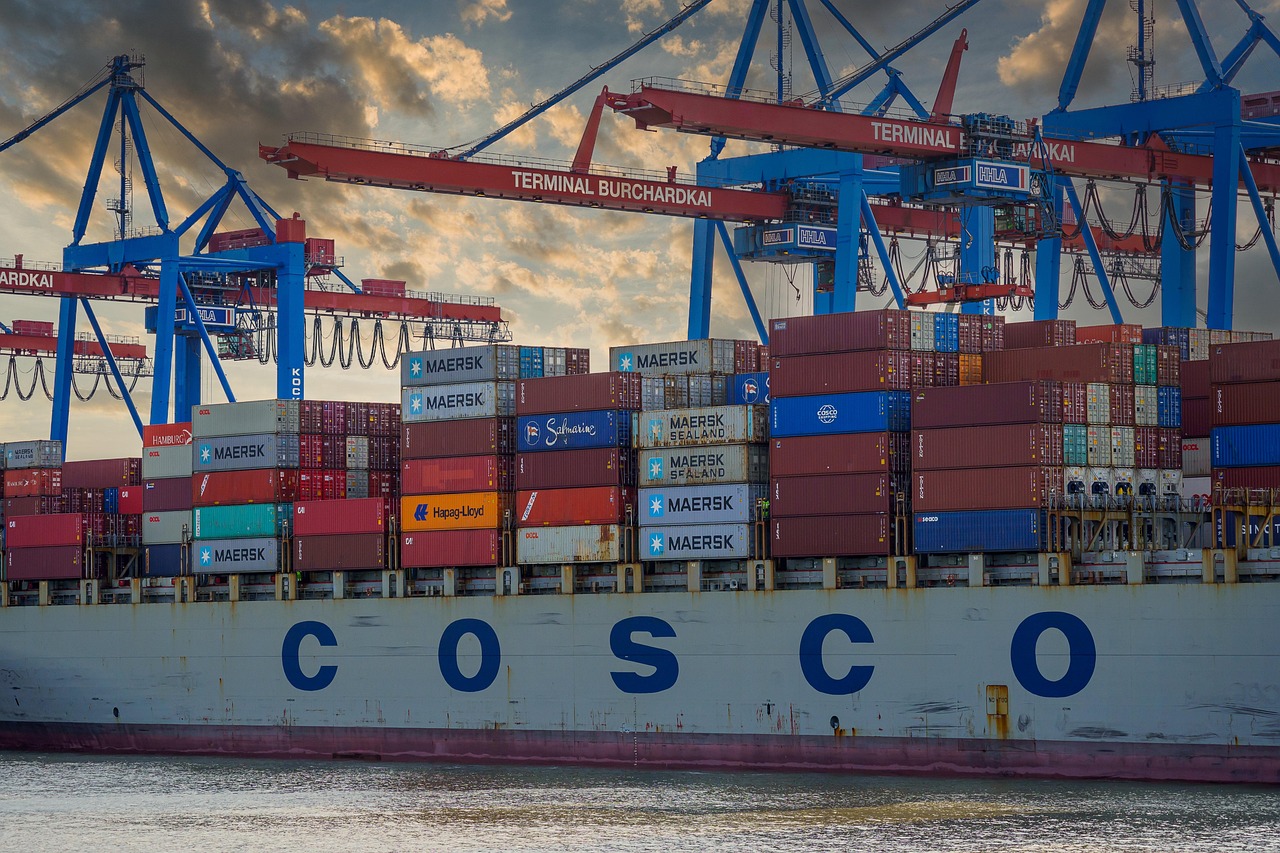
The gap matters most for soybeans. The White House’s $17 billion annual purchase figure implies a meaningful demand floor for US farm shipments if it is carried through. Any movement on soybean tariffs would reach beyond agriculture: shipping volumes, export pricing and the broader trade mood all turn on it. Reuters reported that some market participants had looked for a soybean tariff cut of about 10 per cent. That figure signals what traders want to see next — a schedule, a category list, a date from which lower duties would actually apply — rather than a firm expectation.
Why rare earths matter
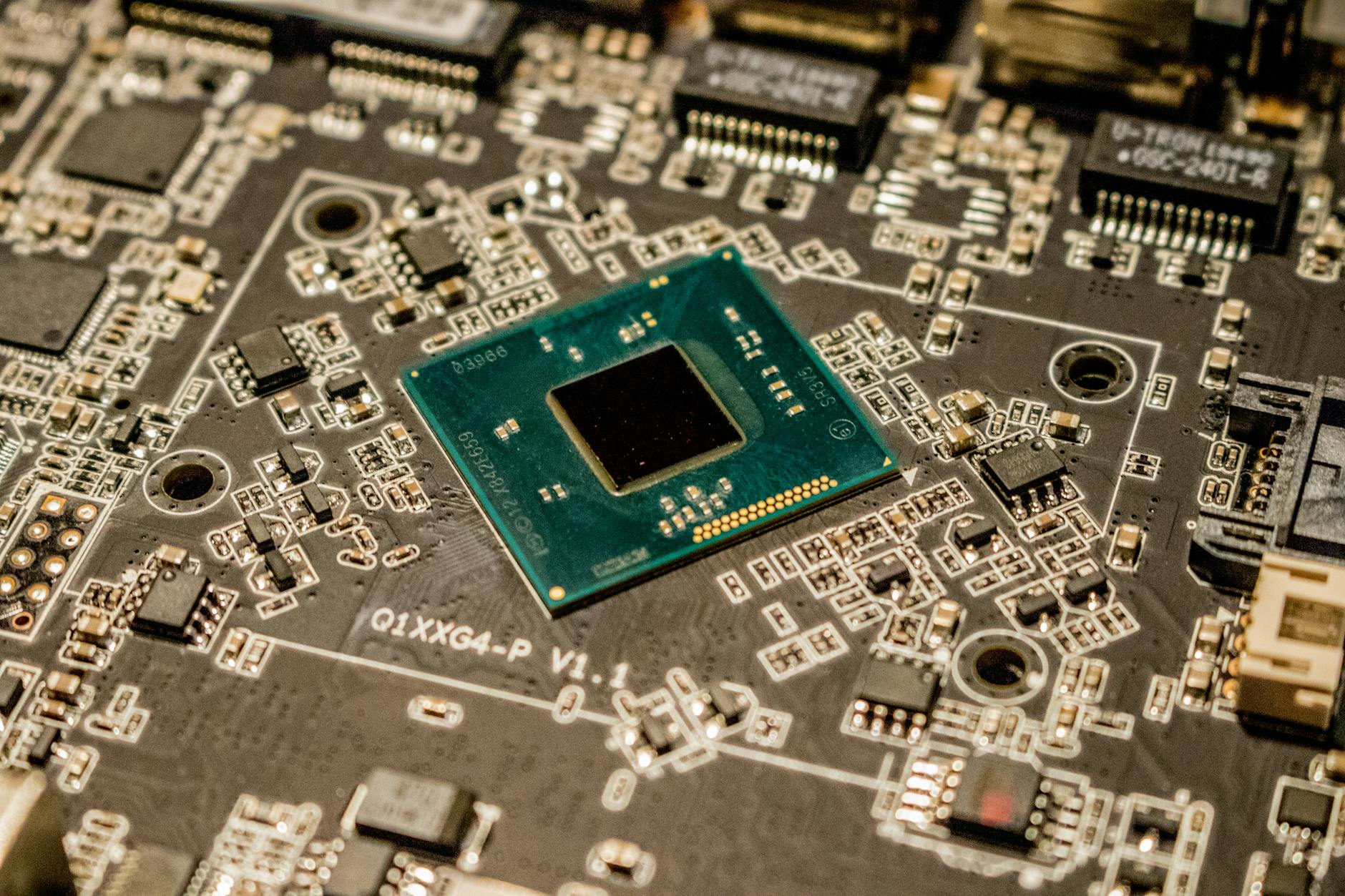
Rare earths are the other piece of the plumbing. The White House’s emphasis on access points to a pressure point that reaches well beyond mining companies. Manufacturers watch rare-earth supply because the materials sit upstream of magnets and components used across autos, industrial equipment and parts of the data-centre hardware chain. A summit promise that improves access could ease supply anxiety; one that stays general keeps it alive, and companies making procurement decisions cannot wait for diplomats to finish drafting.
The differing messages also shape how investors think about inflation. Tariffs are a tax at the border. A credible reduction would, in time, relieve some input-cost pressure for importers and downstream producers. But the summit outcome does not yet appear detailed enough for that effect to be priced cleanly. CNBC’s report on the summit cited analyst Jacob Shapiro calling the meeting “underwhelming” while saying US-China relations were still likely to improve “incrementally” as long as Trump remains president. That may be the most usable near-term reading for markets: the summit reduced the odds of a sharper trade rupture but has not delivered enough disclosed detail to settle the inflation question.
For investors, the next several weeks turn on a few specifics: whether the soybean purchase target turns into booked cargoes, whether rare-earth access is tied to an operating mechanism rather than a diplomatic pledge, and whether tariff cuts arrive with product-level guidance that companies can build into forecasts. Until those details land, the Trump-Xi summit reads as a step toward calmer trade relations without being a full repricing event for supply chains, trade-sensitive sectors or inflation expectations.
Avery Lin
Markets editor covering US equities, single-name stocks and quarterly earnings. Reports from New York.