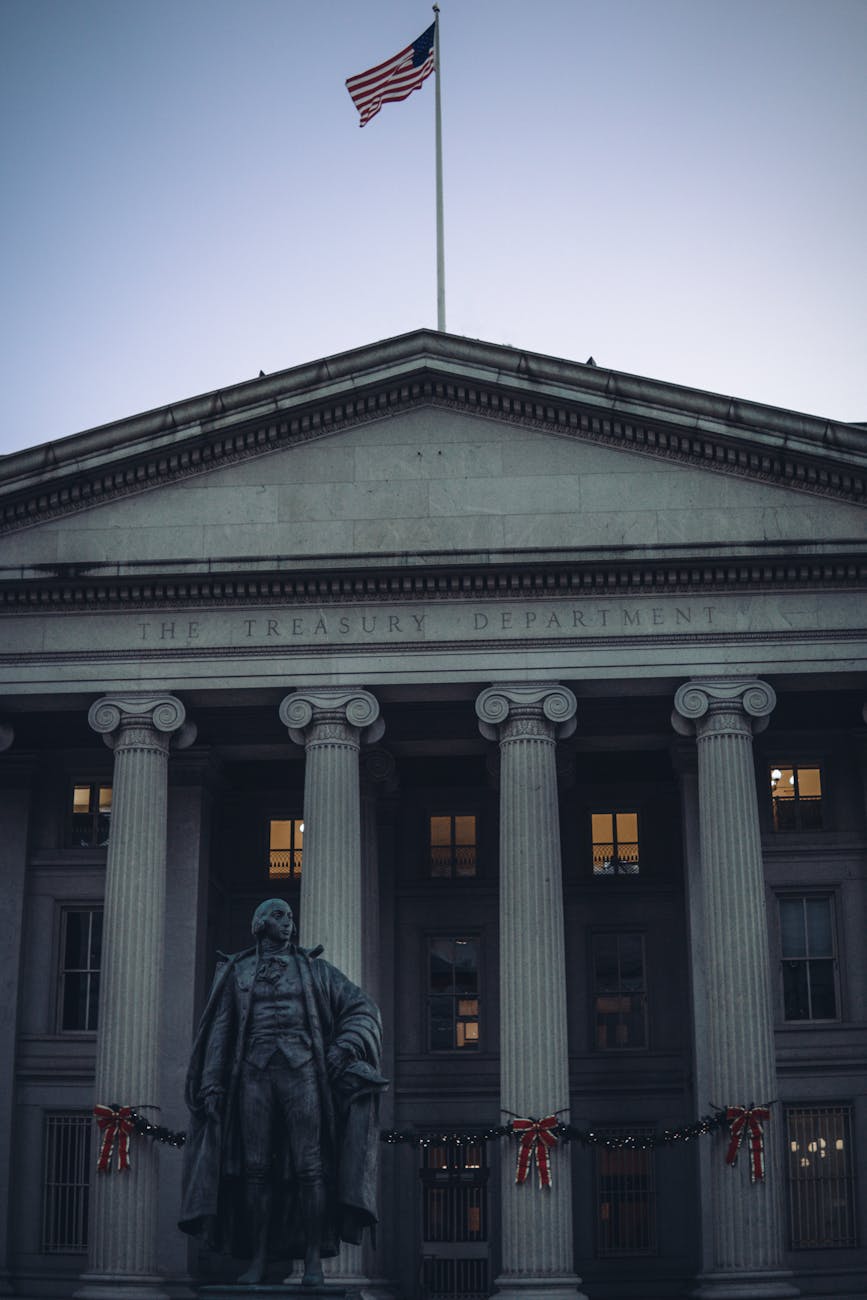
US-China trade gap keeps tariffs in play after APEC
APEC showed the US and China still far apart on trade, leaving tariff and supply-chain disputes in play for inflation and markets.
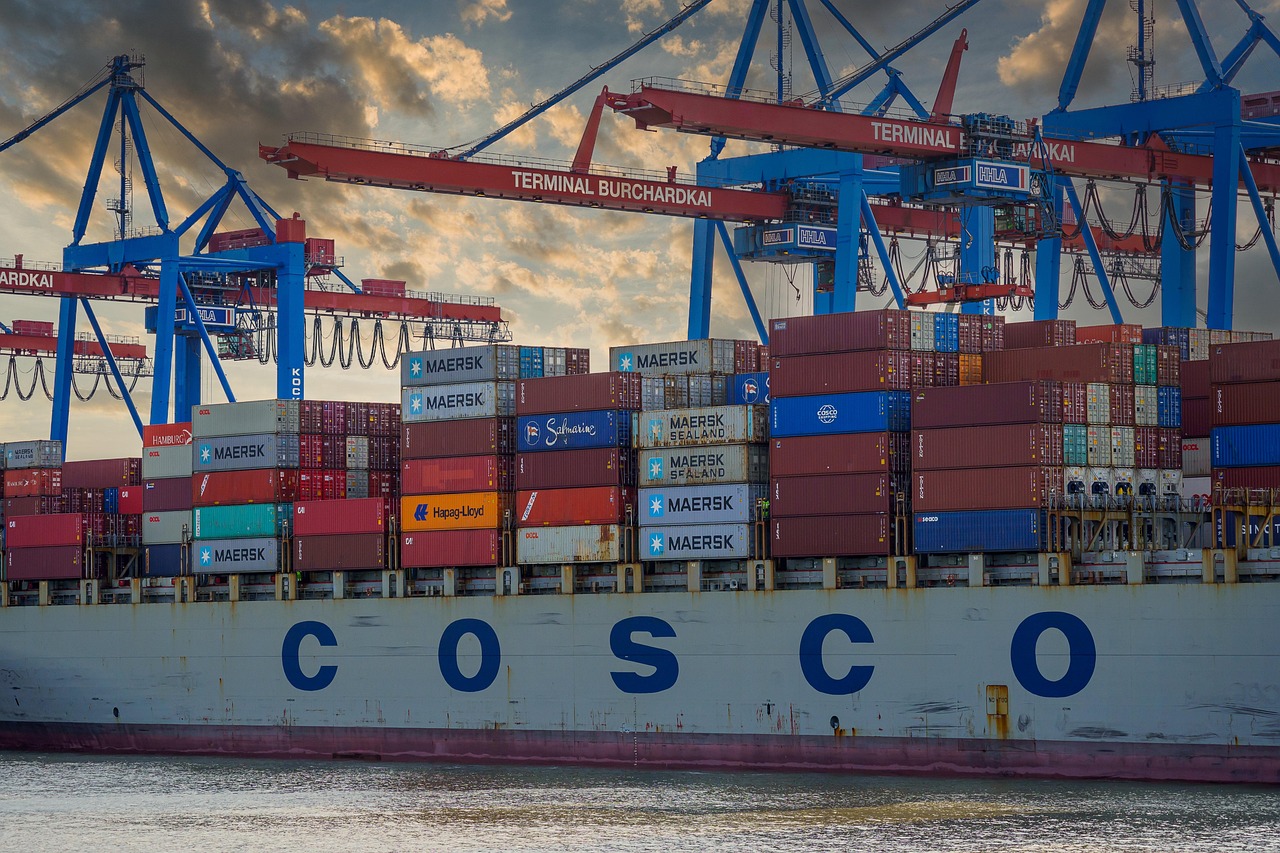
The APEC trade meetings in Suzhou made clear that the United States and China still describe their trade dispute in different terms, even after Donald Trump’s summit with Xi Jinping in Beijing last week. US officials kept the emphasis on trade imbalances and supply-chain resilience, while Chinese officials returned to broader Asia-Pacific integration. The gap leaves tariffs and industrial-policy friction in play.
That makes the market read on the summit narrower.
The White House fact sheet on the Trump-Xi summit and a Reuters account of the managed-trade push pointed to concrete deliverables, including Chinese purchases of 200 Boeing aircraft and $17 billion of US agricultural goods a year through 2028, plus possible tariff cuts on $30 billion of imports. But APEC showed the harder dispute beneath those announcements. Washington is still pressing Beijing on trade balance, resilience and state-backed industrial capacity. Beijing is still answering with integration language that does not concede the US case on distortion.
Washington said so plainly. In its State Department readout, the US described the Shanghai and Suzhou meetings as a chance to press for open markets, fair competition and more resilient supply chains across the 21-member forum, founded in 1989. Casey K. Mace, the US senior official to APEC, made the point even more directly in CNBC’s reporting from the meetings, arguing that the Free Trade Area of the Asia Pacific was not a near-term fix for the bilateral dispute.
“FTAAP, is really, it’s more an agenda than it is a kind of destination.”
— Casey K. Mace, U.S. Senior Official to the APEC Forum
China’s message ran the other way. In a commerce ministry readout, Beijing described the recent talks as an initial result and stressed the need to keep advancing economic integration through the APEC framework. Wang Wentao, China’s commerce minister, used similar language in public comments carried by CNBC, saying members had redirected their attention to the Free Trade Area of the Asia Pacific agenda as uncertainty around regional growth intensified.
Why markets still care
For investors, the issue is not contact between the two governments. It is the absence of alignment on the mechanics that drive landed costs, sourcing plans and inventory decisions. If Washington keeps treating tariff leverage and supply-chain resilience as the core agenda while Beijing answers with broader integration language, companies still lack a clear path to lower trade friction.
That uncertainty is practical, not abstract.
Import-heavy manufacturers, transport groups and retailers have spent years diversifying suppliers, carrying more inventory or paying for redundancy. A partial thaw that leaves goods tariffs or sourcing friction in place does not deliver the same disinflation impulse as a broad rollback, a point central-bank watchers and rate-sensitive investors still have to weigh.
Scale explains why. CNBC calculated that China still accounts for 28 per cent of global goods production, so even limited friction between the world’s two largest economies can ripple through freight markets, factory inputs and pricing decisions well beyond the bilateral lane. The summit’s purchase commitments may help aerospace and US agriculture, but they do not resolve the broader argument over industrial policy or how much dependence Washington is prepared to tolerate in critical supply chains.
Reuters had already signaled before the ministerial that officials were gathering to discuss trade imbalances and supply-chain resilience, not to unveil a full settlement, and that was broadly where the week ended. The tone was calmer than during the sharpest tariff rounds, and there were narrow commercial wins to cite. But the public accounts from Washington, Beijing and the forum itself stopped well short of common ground on the trade mechanics that feed into inflation, corporate planning and market sentiment. For markets, the post-summit picture still looks like a managed truce, not a settlement.
Helena Brandt
Macro reporter covering the Federal Reserve, ECB, inflation prints and jobs data. Reports from Washington.