Trump trade disclosures turn ethics into a market-trust test
A filing showing thousands of trades in an account held in Donald Trump's name sharpens the case that disclosure rules are lagging modern market-moving politics.
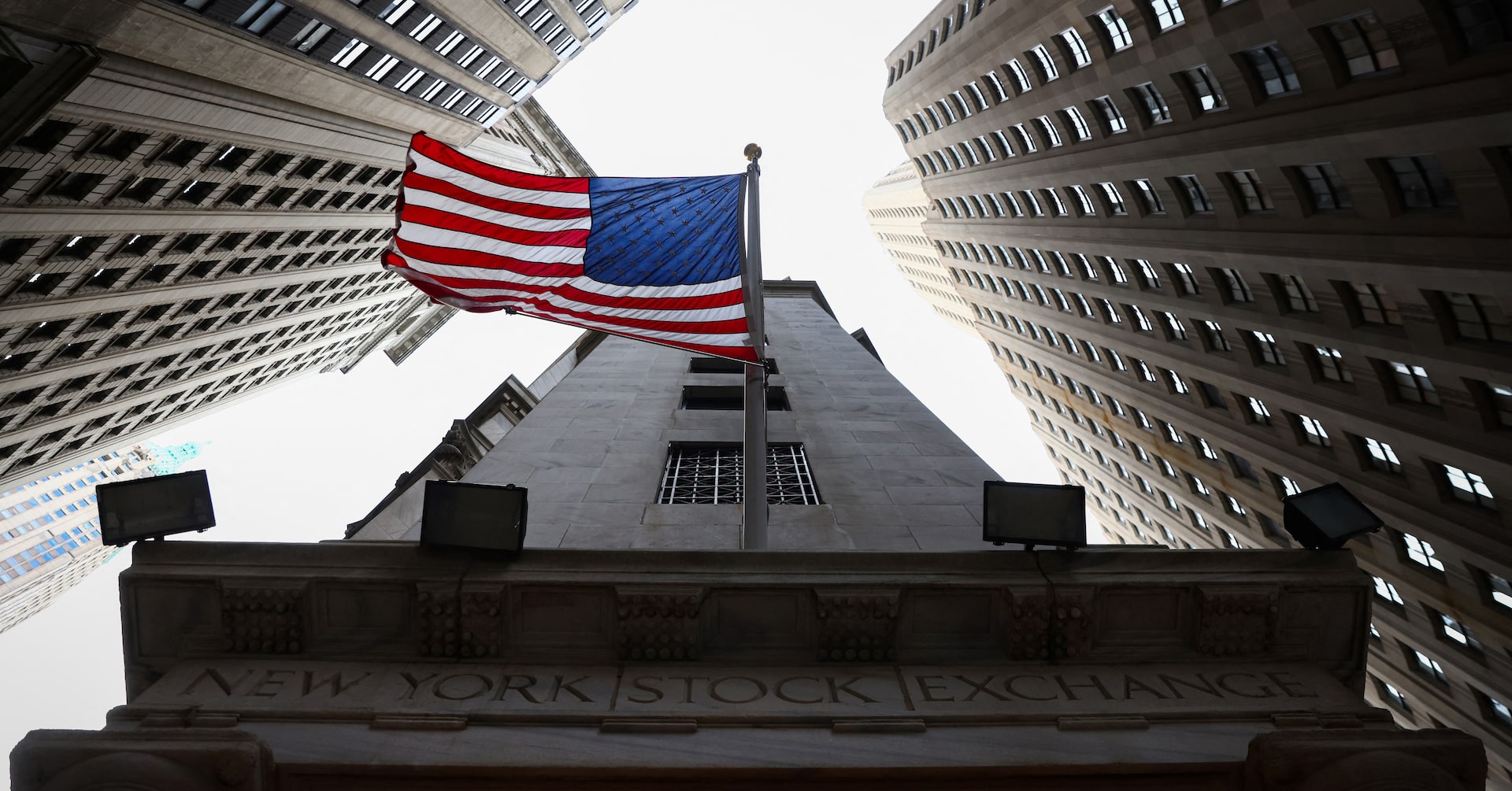
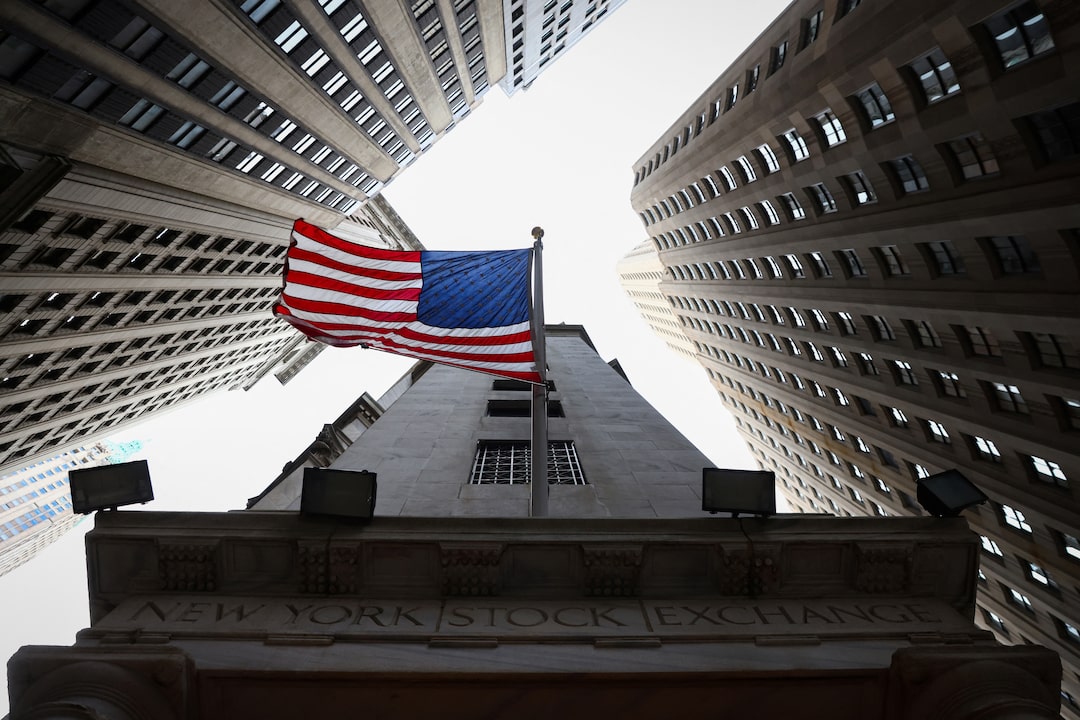
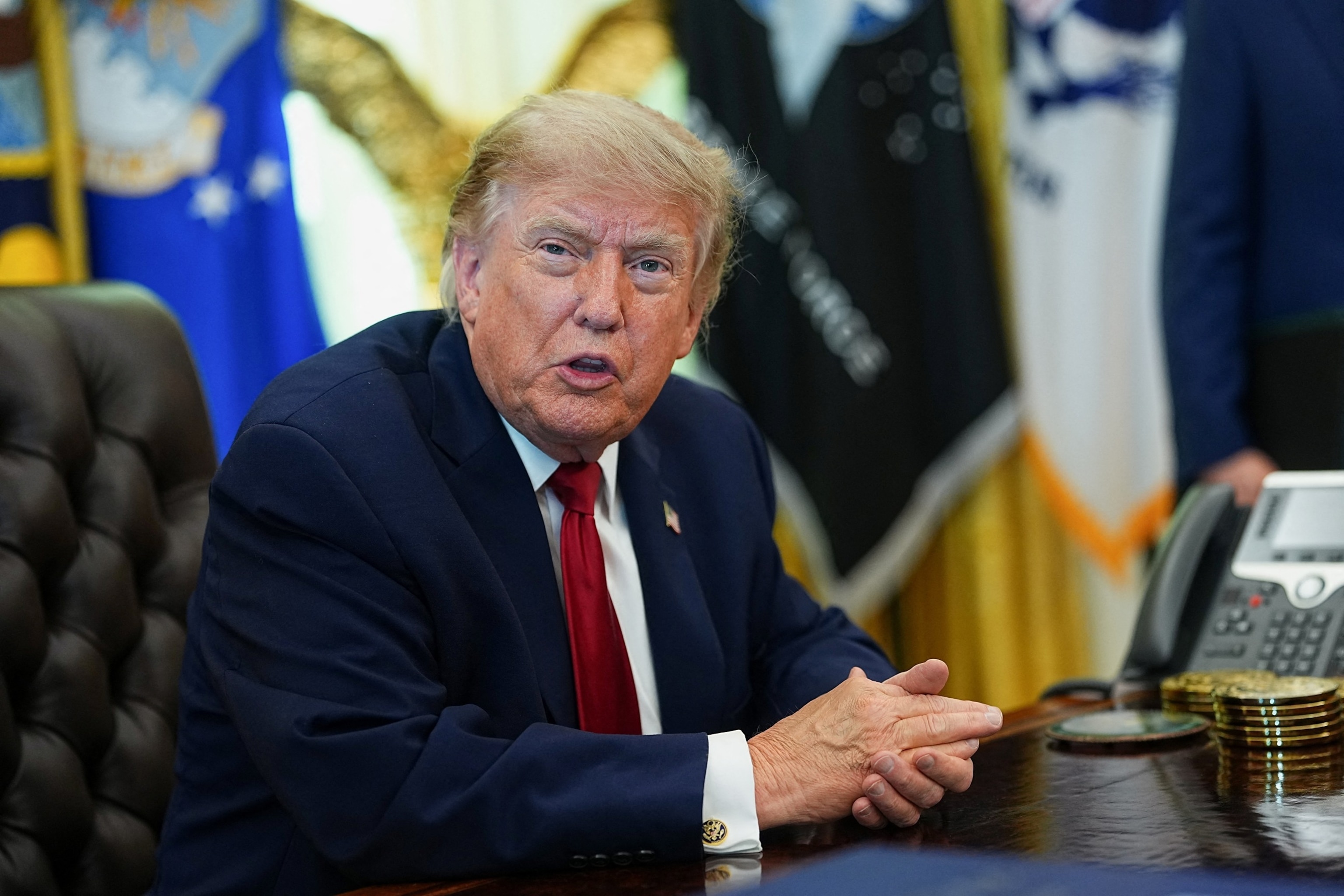
Fresh disclosure of 3,642 first-quarter trades in an account held in Donald Trump’s name has turned a familiar Washington ethics fight into a live market-trust problem for Wall Street. Reuters’ account of the filing put the reported cumulative value at $220 million to $750 million. Read as a legal conclusion the number is ambiguous. Read as a signal, it says the president’s personal trading optics are not a sideshow.
Markets do not need a court-tested insider-trading case to lose confidence in the fairness of price formation. What they need is a credible sense that one participant can move sectors with public decisions and appear to trade in or around those same sectors at the same time. The legal bar and the market bar sit in different places, and the distance between them is where this story lives.
CNBC’s review of the disclosure said the filing ran to 113 pages and described more than 3,700 transactions, including repeated purchases in the $1 million to $5 million band for several large technology names. Even if every trade was fully disclosed and the White House’s response is taken at face value, the volume alone shifts the story out of narrow ethics-office compliance. It lands instead on a harder question: how much ambiguity can modern markets absorb from a president whose words already move oil, defence, chip and rate-sensitive shares.
White House spokesman Davis Ingle, quoted by CNBC, said: “There are no conflicts of interest.” Clean political answer. Not a complete market answer. Presidential remarks on tariffs, Iran, AI policy or antitrust can reprice sectors in minutes, and the question is no longer just whether a holding exists. It is whether disclosure after the fact can keep pace with headline-driven trading conditions.
By that measure, this is a market-structure story before it is an ethics one. Traders do not experience presidential power as an abstract constitutional issue. They experience it through volatility. A threat, a postponement, a licensing shift or a geopolitical comment can alter cash-flow assumptions before the next opening bell. When an account in the president’s name is shown to have been active across policy-sensitive securities, the damage lands at the level of trust, even if prosecutors never get close to proving unlawful intent.
Perhaps the most revealing outside response is the one that declines to overclaim. PBS NewsHour’s discussion of insider-trading law quoted University of Michigan law professor Kevin Douglas: “The federal case law on insider trading is fatally ambiguous.” He is right about the proof problem. Insider-trading cases usually turn on private, material, nonpublic information and a clear breach. Public speech, even market-moving public speech, is a different terrain. That ambiguity lowers the odds of legal sanctions while leaving the odds of investors concluding the rules are inadequate entirely untouched.
Where disclosure falls short
No one built the current ethics architecture for a president who can move capital with a social-media post, a press gaggle or an abrupt policy signal. The Office of Government Ethics framework on financial disclosure and qualified trusts is designed to surface conflicts and prescribe structures, including qualified trusts, that create distance between officeholders and their assets. The timing problem exposed by active trading is what it does not solve.
A 113-page disclosure is useful for watchdogs and reporters. For the market in real time, it is far less useful. Reporting lags, broad value bands and post-quarter publication mean investors learn about possible overlap long after the overlap mattered. Disclosure becomes a diagnostic tool, not a preventive one. It tells the public what may have happened without ever assuring the market that nothing problematic was possible while prices were moving.
That gap keeps reviving the argument for stricter separation. Brookings’ critique of Trump’s earlier ethics plan focused on the limits of arrangements that fall short of a true blind trust, and the same logic looks stronger when the disclosure record shows thousands of trades rather than a passive portfolio. Once trading frequency rises, each policy-sensitive headline invites a new round of interpretation, and each interpretation becomes part of the pricing environment.
Optics are not evidence, the sceptic says. Fair enough, as far as it goes. NPR’s interview with former White House ethics counsel Richard Painter did not rest on a criminal-law theory so much as a governance one. Painter said: “We can’t have senior public officials — including the president — talking about stock prices and where to buy or to sell at the same time as they are making and announcing decisions that have a dramatic impact on stock prices.” That is the standard markets are likely to care about. Less about jail. More about whether the system asks too much trust of everyone else.
Why Wall Street should care
Strip away the uniqueness question. The core issue for investors is whether the presidency has become too market-moving for the old disclosure model to remain credible. The more policy is transmitted through abrupt rhetoric, personalised negotiation and rapid reversals, the more valuable timing becomes. In that setting, a president’s trading record is not politically awkward background noise. It is part of the information environment.
That has consequences beyond ethics headlines. US markets depend on the idea that retail investors, institutions and foreign capital all enter the same arena under roughly intelligible rules. Once participants begin to suspect that public power and private positioning are overlapping too closely, they may still trade, but they trade with a higher discount on trust. That discount can show up as wider scepticism about official messaging, sharper reactions to headline risk and a faster spread between what is legal and what the market considers acceptable.
The disclosure cuts across sectors in a way that makes the issue harder to dismiss as a one-off. CNBC’s reporting highlighted technology names. Reuters framed the filing as thousands of trades tied to US corporate securities more broadly. The chief market implication is not about one ticker. It is about repeated exposure to the sort of cross-sector moves presidential decisions can trigger, from defence and energy to chips and rates. Nobody can say which decision came first in every case. The fact that the question now has to be asked is the problem.
A tougher response would probably look structural rather than punitive. A genuine blind trust, tighter trading restrictions for the president and vice-president, or faster and more granular reporting would not settle every argument. They would narrow the grey zone between disclosure and advantage, though. Markets tend to function better when those grey zones shrink.
This filing may do more than fuel another ethics cycle. It may harden the case that the US has outgrown a disclosure regime built for slower news, less direct policy signalling and less hyper-reactive trading. The White House can insist there are no conflicts. Courts may never see a case clean enough to test. But Wall Street does not wait for indictments to price discomfort. A president who can move markets and appear in the trading record at the same time forces investors to confront a simpler question: whether disclosure is still a safeguard, or merely a delayed description of a risk the market has already absorbed.
Sloane Carrington
Markets columnist. Analytical pieces and deep-dives on monetary policy, capital flows and corporate strategy. Reports from New York.