China April exports jump 14.1%, smash forecasts as factories front-run tariffs
China's exports surged 14.1 per cent in April from a year earlier, more than quintupling the 2.5 per cent gain posted in March and handily beating economist forecasts of 7.9 per cent, as factories raced to ship orders ahead of potential tariff escalations and Middle East supply disruptions.
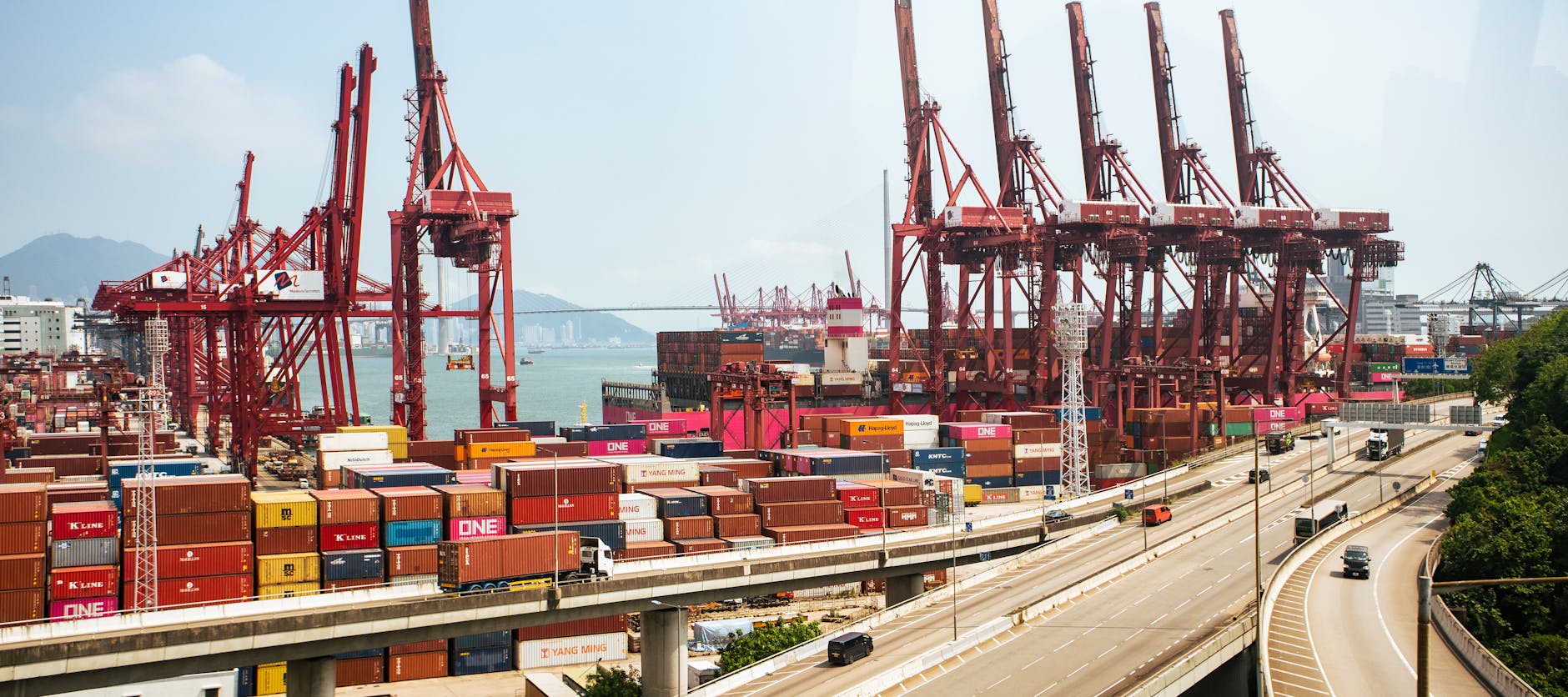
China’s exports surged 14.1 per cent in April from a year earlier, rebounding sharply from a sluggish March and comfortably beating the 7.9 per cent forecast from economists, as factories raced to fill overseas orders while buyers stockpiled goods amid the Middle East conflict and an uncertain tariff outlook.
The jump, reported by China’s General Administration of Customs on Saturday, more than quintupled the 2.5 per cent export growth recorded in March, when the Iran war drove energy costs higher and disrupted global supply chains. The April figure suggests the March slowdown was a temporary shock rather than the start of a structural downturn in external demand. The January-February period had delivered 21.8 per cent export growth, which makes the March print an outlier that economists attribute to the initial energy-price shock from the Iran conflict and residual Lunar New Year distortions.
Imports climbed 25.3 per cent year-on-year in April, easing slightly from the 27.8 per cent surge in March that had been driven by elevated commodity prices and was the strongest import gain in more than four years. The trade surplus widened to $84.8 billion, up from $51.13 billion in March, a gap that underscores the lopsided recovery in outbound shipments versus still-subdued domestic consumption.
“Exports should stay solid in the coming quarters, thanks to strong demand for semiconductors and green technologies,” said Zichun Huang of Capital Economics. The research firm noted that energy disruptions in the Middle East could paradoxically boost demand for China’s renewable energy exports. Solar cells, wind turbines, and electric vehicles all stand to benefit as countries accelerate the shift away from fossil fuel dependence.
What drove the rebound
New export orders rose to their highest level in two years, according to separate factory activity data for April cited alongside the customs release. The order-book expansion suggests manufacturers were pulling forward production to get goods out the door before any further escalation in US tariffs or additional Middle East shipping disruptions.
China’s export machine has been navigating a split picture. Shipments to the United States fell 26.5 per cent in March from a year earlier, worsening from an 11 per cent decline in the January-February period, as Trump-era tariffs continued to bite. Exports to the European Union rose 8.6 per cent and shipments to Southeast Asia gained 6.9 per cent over the same period, evidence that trade diversion is cushioning the US demand shock. China posted a record $1.2 trillion global trade surplus in 2025, and the early-2026 run rate points to another surplus well above $1 trillion this year.
The broader macro picture remains mixed. China’s economy grew 5 per cent in the first quarter, at the top of the government’s 4.5 to 5 per cent full-year target range, but retail sales continued to underperform industrial output and unemployment rates edged higher. The property slump, now in its fifth year, continues to weigh on domestic consumption and is the primary reason Beijing cannot afford to let the export engine stall.
The Iran war channel
The March export slowdown was the clearest signal yet that the conflict in Iran is transmitting through China’s trade accounts. Higher energy prices inflated the import bill, with input costs for refined goods, petroleum, coal, and chemicals remaining elevated through April. The 27.8 per cent jump in March imports was driven almost entirely by commodity prices rather than volumes, compressing margins for Chinese manufacturers that rely on imported raw materials.
Bank of America economists led by Helen Qiao warned that “external demand is likely to weaken due to the war’s energy shock” if the conflict persists. China’s vast strategic oil reserves and diversified energy sourcing mean it is relatively insulated compared with European and Asian economies that depend more heavily on Hormuz transit. Natixis economist Gary Ng described the Iran war as the primary cause of the March slowdown, hitting “global demand and supply chains” through the energy channel.
What to watch
The April data lands ahead of a planned meeting between President Trump and President Xi Jinping in Beijing this month, a visit delayed by the Iran conflict. Trade will dominate the agenda. The US ran a goods deficit with China of roughly $300 billion in 2025, and the record $1.2 trillion global surplus keeps protectionist arguments alive in Washington regardless of the diplomatic calendar. Any breakthrough on agricultural trade or aircraft parts is unlikely to soften the structural rift over Taiwan and technology export controls.
For now, the export engine is firing. The question is whether the April rebound reflects genuine end-demand or a front-running of orders that leaves a hole later in the year. Factory input prices remain elevated, and economists warn that the longer the Iran war drags on, the greater the risk that external demand fades while sluggish domestic consumption proves unable to close the gap. The two-year high in export orders provides a near-term cushion, but the durability of the April bounce will not be clear until the May print lands.
Helena Brandt
Macro reporter covering the Federal Reserve, ECB, inflation prints and jobs data. Reports from Washington.