Bitcoin touches $80,000 as Project Freedom shifts Iran war sentiment
Bitcoin touched $80,000 in overnight trading, its highest since late January, as President Trump announced Project Freedom to secure safe passage through the Strait of Hormuz. The cryptocurrency has gained roughly 20 per cent since the US-Iran conflict began, outperforming equities and gold.
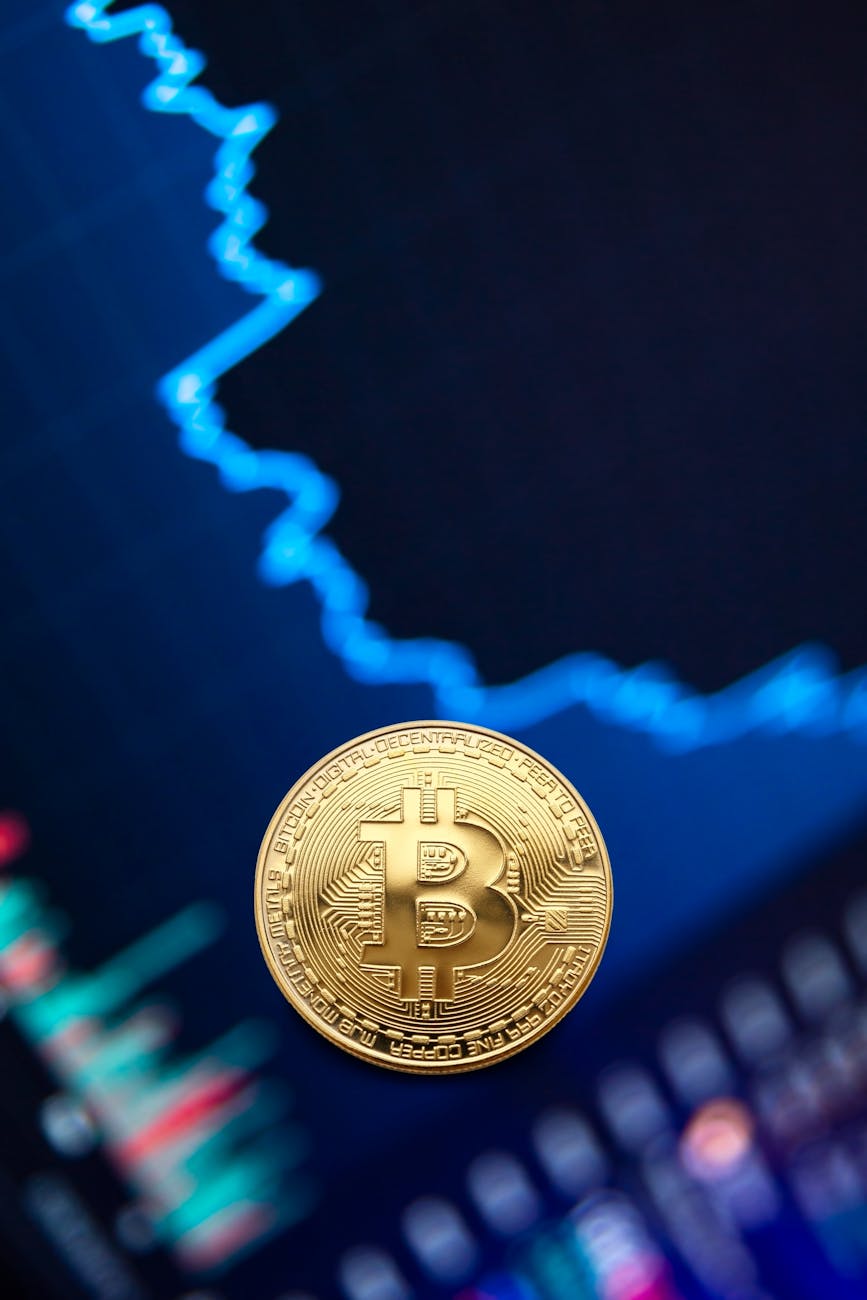
Bitcoin (BTC) touched $80,000 in overnight trading Sunday, its highest level since late January, as markets reacted to President Trump’s announcement of “Project Freedom,” a US-led initiative to secure safe passage for neutral ships trapped in the Strait of Hormuz.
The cryptocurrency rose as much as 2 per cent before easing from the threshold in the Monday morning Asia session. The move extends a rally that has seen Bitcoin gain roughly 20 per cent since the US-Iran conflict began, outperforming both equities and gold over the same period.
Project Freedom, unveiled by Trump over the weekend, aims to escort commercial vessels through the Strait of Hormuz, the chokepoint where an estimated 20 per cent of global oil transits. The announcement was enough to jolt risk assets higher in thin weekend trading, when liquidity is typically a fraction of weekday volumes and price moves can overshoot.
The $80,000 level matters technically. Bitcoin had been capped below $76,000 for several weeks, with each attempted breakout meeting selling pressure from traders who accumulated in the $60,000 to $70,000 range during the first quarter. Clearing $80,000, even briefly, indicates buyers absorbed the overhead supply that capped the cryptocurrency through March and April.
April was Bitcoin’s strongest month since May 2025, returning 12 per cent. Institutional inflows and geopolitical hedging demand drove the move off the March lows near $62,000, tracking a broader rotation into hard assets as the Iran conflict escalated and energy prices spiked.
ETF flows and the institutional bid
US spot Bitcoin ETFs have extended their inflow streak to six weeks, pulling in $3.4bn over that window. The most recent session data, however, showed $277.5m in net outflows as Bitcoin approached the $80,000 level, a sign that short-term traders booked profits at the resistance zone.
BlackRock this week filed for tokenized money-market funds on Ethereum, while Coinbase disclosed an $88m Bitcoin purchase in Q1, expanding its corporate treasury to 16,492 BTC. The CME’s planned 1 June launch of Bitcoin volatility futures adds regulated derivatives infrastructure, giving institutional traders a tool to hedge the weekend gap risk that Sunday’s move illustrated.
What drove the move
The Project Freedom catalyst is more than a headline trade. The Strait of Hormuz blockage has been a persistent supply-side risk for energy markets and global inflation expectations. Any de-escalation in the waterway reduces the tail risk of an oil price shock, easing a macro pressure that has kept the Federal Reserve on hold.
Goldman Sachs last week pushed its forecast for the next Fed rate cut to December, citing the inflationary impulse from the Iran conflict. Boston Fed President Susan Collins separately warned that rates could stay elevated into 2027. A resolution in the Strait, even a partial one, would begin to unwind that hawkish impulse.
For Bitcoin, macro relief translates into a direct bid. The asset has functioned as a non-sovereign store of value during the conflict, attracting flows from investors seeking an alternative to gold, which has been range-bound near $4,730 per ounce and has underperformed Bitcoin by roughly 15 percentage points since the war began.
“Bitcoin has shown resiliency amid the Iran war,” Yahoo Finance senior business reporter Ines Ferré wrote, noting the cryptocurrency’s relative strength against traditional haven assets.
What comes next
Bitcoin’s ability to hold above $78,000 through the US trading session will be the next test. A close above $80,000 on a weekday session, with spot ETF volumes confirming, would mark a stronger breakout than the thin-volume Sunday night push, when weekend market depth is roughly a tenth of weekday levels.
The geopolitical picture remains fluid. Project Freedom has not yet begun escort operations, and the broader US-Iran peace negotiations face hurdles around sanctions relief and the status of Iranian-aligned forces in the region. Any setback in those talks would likely reverse the risk-on move that carried Bitcoin through the $80,000 threshold. Crude oil’s 0.6 per cent rise in the same session suggests energy markets are pricing the development as tentative.
For now, Bitcoin’s outperformance during an active conflict has strengthened the case that first took shape during the 2022 Russia-Ukraine war: the asset functions less like a conventional risk-on trade and more like a non-aligned reserve in a fragmenting geopolitical order. The $80,000 print, even if it does not hold, is a data point in that direction.
The Sunday night move also points to a structural feature of crypto markets that has sharpened in 2026: weekend price discovery. With ETF markets closed and traditional finance desks offline, weekend trading in Bitcoin is dominated by crypto-native participants and Asia-based flows. The $80,000 print on a Sunday night carries less confirming volume than a weekday breach would, but the directional signal has repeatedly preceded weekday follow-through during this cycle’s rally phases.
Caleb Mwangi
Crypto correspondent covering bitcoin, ether, altcoins and on-chain markets. Reports from Singapore.