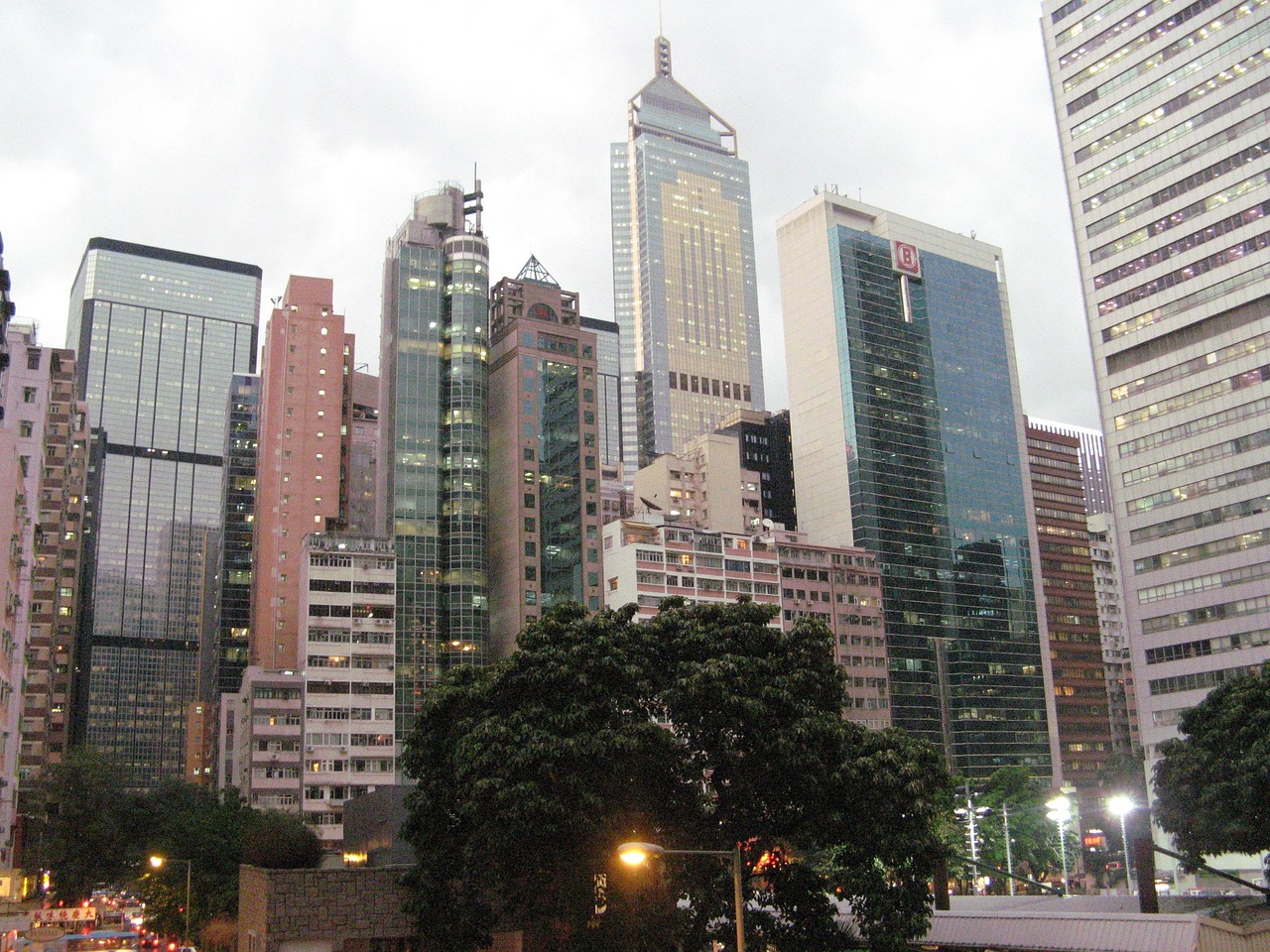
Asia's AI trade is turning into a Wall Street bank revenue line
Asia AI trading is lifting Wall Street bank revenue as Goldman and JPMorgan book more financing, derivatives and chip-linked flow.
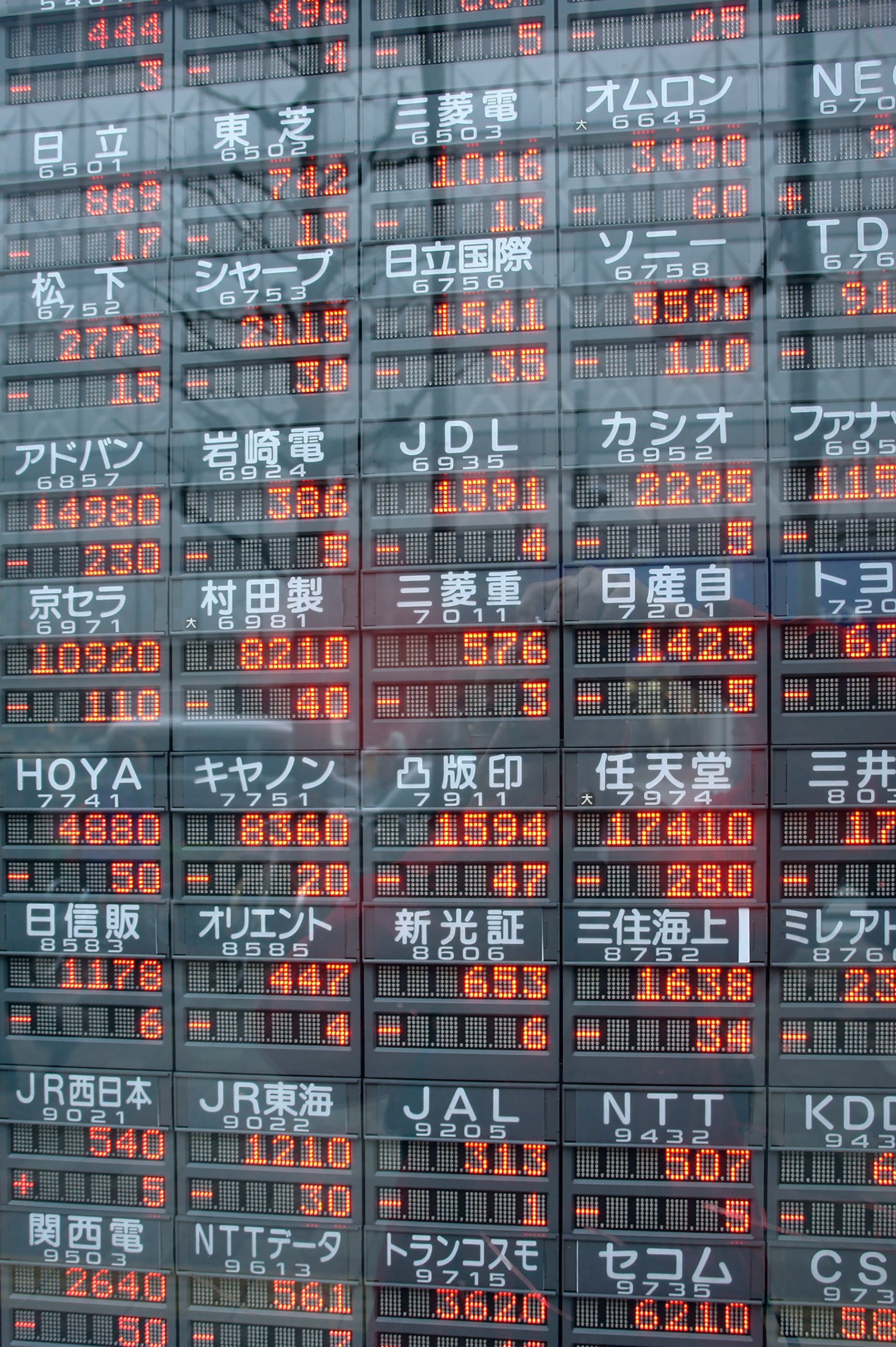
Asia-linked AI trading helped push the largest Wall Street banks to a combined $25.7bn of equities-trading earnings in the latest quarter, while Asia’s $52tn of share-trading volumes through May almost matched North America’s $53.5tn. For bank equity desks, the semiconductor rally in Korea, Taiwan and Japan now means something more precise than a chip-stock surge overnight and a useful opening trade in New York. Now it is a booked revenue line, pulling more client cash business, derivatives activity and financing demand into Asia-facing franchises.
For JPMorgan Chase and Goldman Sachs, the revenue mix looks broader than a one-day volatility spike. Goldman’s second-quarter filing showed $7.42bn of equities net revenues, with $3.614bn coming from Asia. JPMorgan CFO Jeremy Barnum told CNBC that a lot of it is downstream of the AI theme on a global basis. In practice, desks are making money not only from directional trading, but from the plumbing around the trade: stock borrow, hedging, swaps and balance-sheet-intensive client financing.
Risk managers read the same quarter with less enthusiasm. Goldman Sachs global co-head of equities Dmitri Potishko told the Financial Times that the obvious question is what happens when the AI trade stops moving in one direction. Potishko’s concern is no abstract worry in a market where borrowed money has piled into a small group of chip winners and Korea has already moved to curb geared chip ETFs.
“What happens if the AI trade goes in reverse? What happens if the quants’ position unwinds simultaneously?”
Dmitri Potishko, Goldman Sachs, via the Financial Times
From chip frenzy to desk revenue
The bullish case starts with Asia’s place in the trade itself. Some of the most crowded AI-linked names sit there, overnight sentiment is set there, and U.S. dealers can monetise both local activity and the hand-off into European and American sessions. Rachid Alaoui, JPMorgan’s head of global equities, told the Financial Times that Asia had become one of the main winners in the picks-and-shovels version of AI investing.
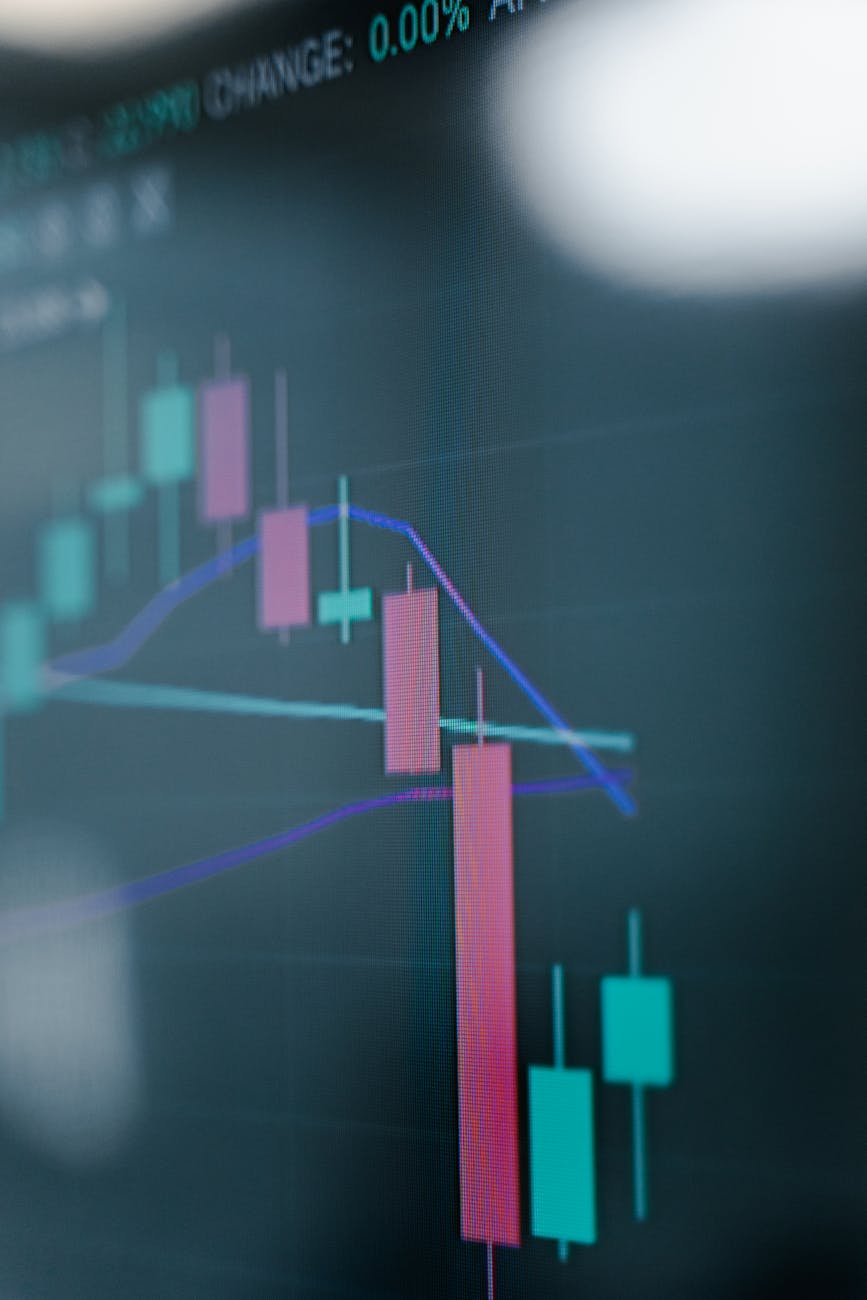
“Asia has definitely emerged as one of the big winners in the picks-and-shovels strategy of AI,”
Rachid Alaoui, JPMorgan, via the Financial Times
Scale turns that observation into a banking story. Asia at $52tn through May is no longer a side pocket for U.S. dealers. It is large enough to shape staffing, inventory and client attention, especially when the same names are traded in cash equities, hedged in derivatives and financed through prime-brokerage lines. In practice, the desks with the most durable benefit are not simply the fastest traders. They are the ones able to keep balance sheet available when clients want to add, hedge or roll exposure.
Asian cash trading also sets up questions that U.S. desks monetise hours later: whether to extend more financing, whether to warehouse more risk and whether to keep market-making lines open in names whose volatility is feeding through futures, exchange-traded products and depositary receipts. Once the loop repeats for weeks, regional flow starts to look less like a tactical opening and more like franchise business.
That is why Goldman’s filing matters more than a headline beat. It points to a record quarter in equities, and it shows Asia accounting for a meaningful chunk of that business. The FT’s reporting supplies the market backdrop: volumes in Asia are now nearly level with North America. Together, those signals answer part of the insider’s question about durability. Revenue is not coming from one burst of market-making income, but from a market structure in which clients keep coming back to fund, hedge and reprice the same theme.
Barnum’s phrasing on CNBC widens the lens without getting vague.
“A lot of it is downstream of the AI theme, writ large on a global basis.”
Jeremy Barnum, JPMorgan CFO, via CNBC
If AI is driving activity on a global basis, the desks winning most are the ones that can keep client relationships, stock borrow and financing lines open across time zones. This gives Asia more strategic weight inside the banks than a standard regional rebound would. Earnings calls are carrying the theme now, not treating it as a colourful aside.
Why the bank mix matters
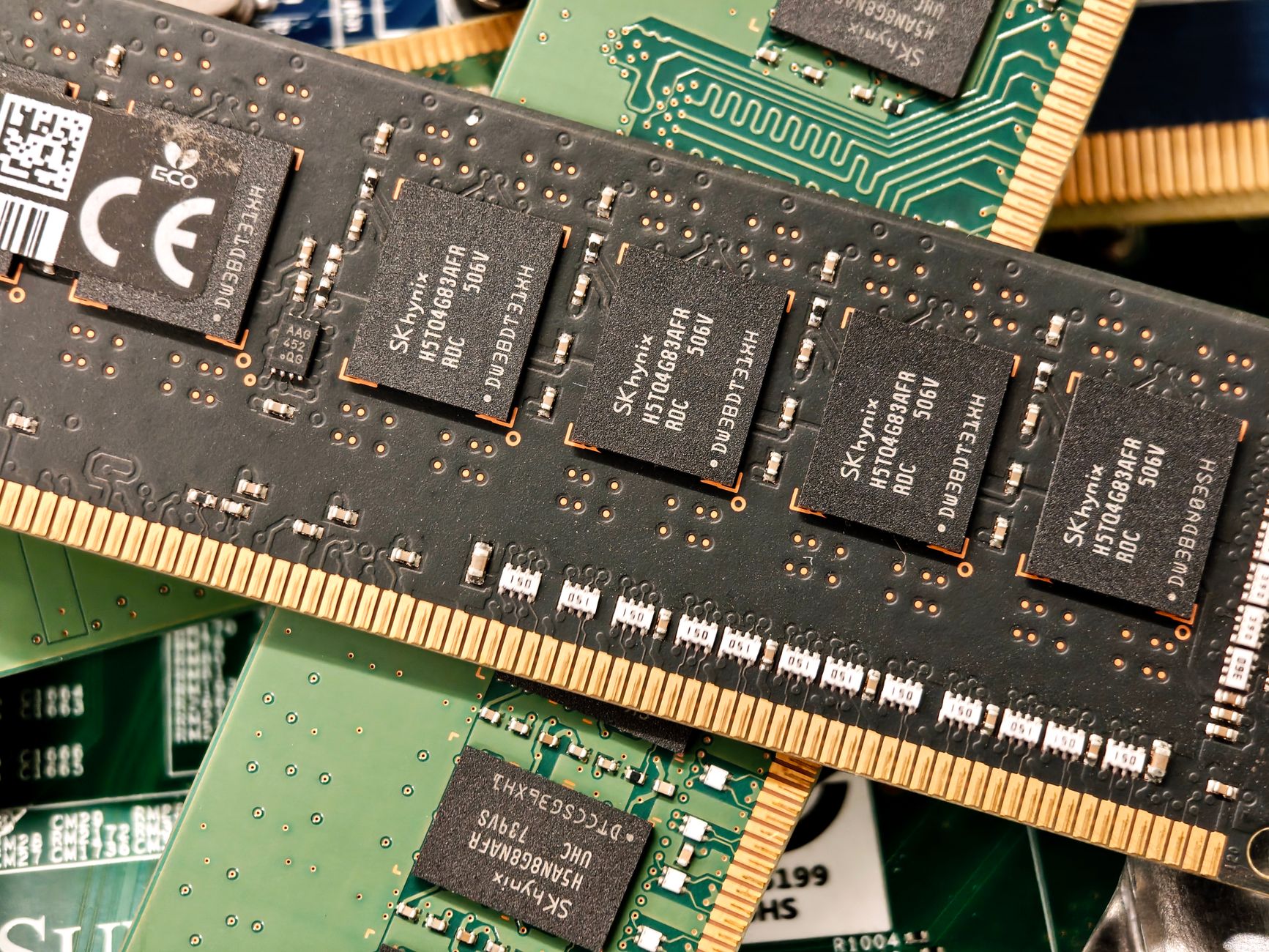
The banker version of the Asia AI trade is a view on SK Hynix or TSMC, but also on whether client demand keeps spilling from obvious chip winners into the instruments wrapped around them. In practice, that includes cash trading, equity swaps, structured exposure and prime-brokerage financing for hedge funds that want to stay tied to the theme without owning every leg outright.
Financing revenue is stickier than a headline trading pop, but it is also harder to unwind cleanly. When a trade becomes systemically popular, the same banks can be long the client relationship, short the borrow, warehousing the hedge and providing liquidity on the way in. A desk can earn fees at each step. On the way out, it can also discover that the flows were more correlated than they looked when they sat in separate silos.
Some warning signs are already visible. MarketWatch reported that volatility in SK Hynix had reached 113 per cent even after the broader Korean market remained up 61 per cent in 2026. The Korea Herald separately reported on official efforts to slow borrowed-money ETF activity tied to the chip complex. Those are still local measures, but the trade is no longer local. U.S.-listed depositary receipts, offshore swaps and global macro funds turn a Seoul or Taipei move into a 24-hour loop, one that lands back on Wall Street books before the next New York open.
The point helps answer the analyst’s second question. The most durable line item may not be outright trading revenue at all. It may be the financing and risk-intermediation work around a theme clients are reluctant to leave. If that is right, Asia is not merely adding growth to existing bank franchises. It is changing where the most balance-sheet-hungry part of the equities business gets deployed.
What could break the trade
The skeptical view is that this quarter’s earnings are telling two stories at once. Wall Street banks have found a deep and lucrative pool of AI-related activity in Asia. They are also being paid to sit inside a crowded position whose feedback loops are getting tighter.
A concentrated unwind would not need a collapse in the AI investment case to hurt. It could come from valuation fatigue, a policy restriction on debt-funded products, or simple disappointment in how much of the supply-chain boom translates into future profits. Semafor noted this week that even record earnings from TSMC failed to settle doubts about the sustainability of AI spending. A pause like that matters more to bank desks than a one-day drop, because it changes how willing clients are to finance the next leg up.
Investors reading bank earnings have to make the same distinction. If Asia-linked AI flow stays broad, quarterly trading beats stop looking accidental. If the activity narrows to a handful of geared products, the earnings upside and the unwind risk will sit on the same desks at the same time.
For now, the FT, CNBC and Goldman’s filing point in the same direction: Asia’s AI equity boom has graduated from a useful macro narrative for U.S. banks to an earnings engine in its own right. Next quarter will show whether that revenue line broadens into a durable franchise, or whether the same concentration that made it rich also makes it fragile.
Sloane Carrington
Markets columnist. Analytical pieces and deep-dives on monetary policy, capital flows and corporate strategy. Reports from New York.