Gulf earnings will show the war’s winners and losers more clearly than oil prices alone
Second‑quarter Gulf earnings will reveal who profited and who suffered from the Iran war, with oil firms gaining and banks, real‑estate and tourism feeling the strain.

As second‑quarter reporting nears, Gulf companies are poised to deliver the first hard earnings evidence of how the Iran war hit credit, consumer demand, logistics and energy cash flow across the region.
The war has already split the Gulf’s corporate landscape. Oil and gas firms such as ADNOC and Saudi Aramco are riding a 20% price tailwind in global oil supplies that passed through the Strait of Hormuz before the conflict, buoying earnings even as the broader economy staggers. In contrast, banks, real‑estate developers and airlines are feeling the strain of weaker trade, travel and consumer spending.
“The second quarter is going to reveal the real impact of the war,” — Tariq Qaqish, deputy CEO of FH Capitallink.
“It is just an issue of balance sheets, these guys have very strong balance sheets. So they can withstand big shocks like this,” — Qaqishlink.
“We expect the renewed tension in the Middle East between the U and Iran to be relatively short‑lived because both countries are constrained by practical economic and political realities,” — Vikas Dwivedi, global energy strategist, Macquarie Grouplink.
Oil and gas: Winners of the war
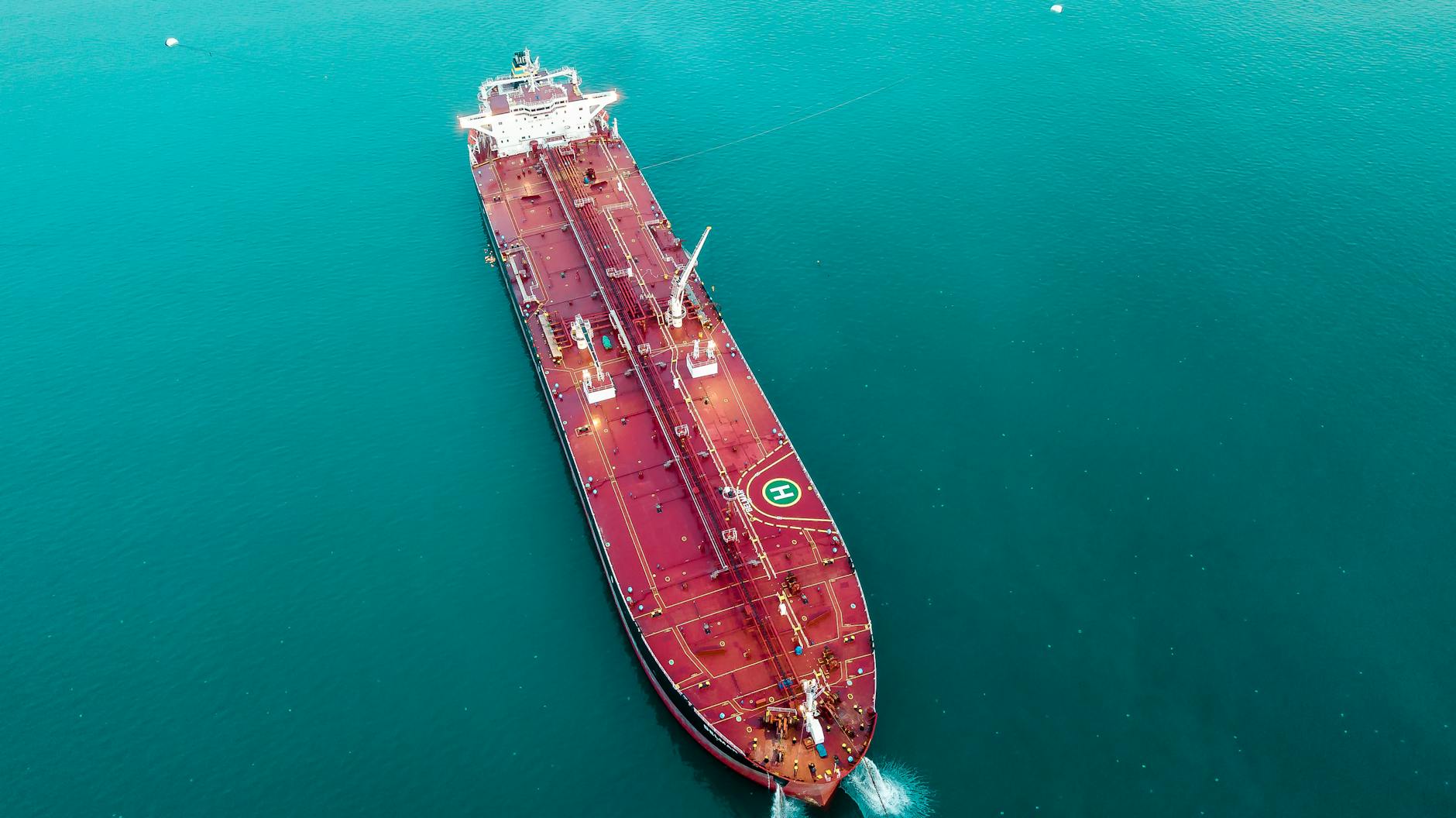
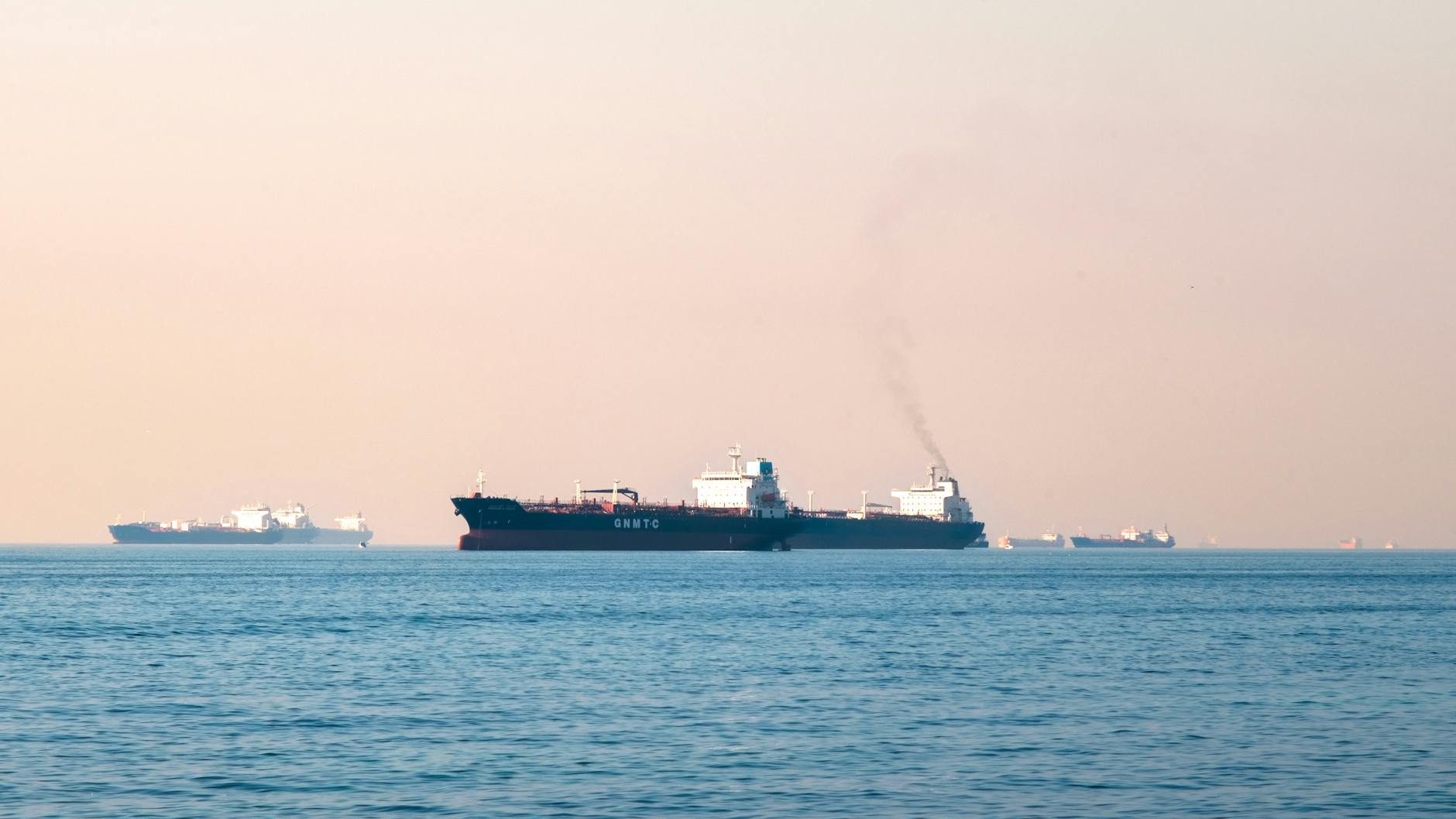
Oil majors are the clear beneficiaries. Brent settled at $76.30 on July 9, while WTI closed at $72.08source, lifting profit margins for producers that dominate the Gulf’s export basket. According to a Reuters briefing, 20% of global oil supplies historically transited the Strait of Hormuzlink, giving Gulf refiners a de facto price‑support cushion.

Banking and finance: The hidden losers
Banks, however, are on the back foot. A Semafor report warns that the UAE’s non‑oil PMI slipped to 50.8, its lowest since February 2021, signalling contraction in credit‑sensitive activitylink. Saudi Arabia’s non‑oil PMI is similarly weak at 53.3, hinting at broader financing stresslink.
The strain is reflected in trade‑finance flows. Semafor notes that money transfers between Saudi Arabia and the UAE have been delayed or cancelled, forcing firms to reroute payments through third‑country channelslink. That frictions in cross‑border settlement could erode fee income for regional banks that rely on Gulf‑wide trade corridors.
Real‑estate and consumer sectors: Dampened demand
Tourism‑linked hospitality and retail chains are also feeling the pinch. The war has capped inbound visitor numbers, curbing hotel occupancy and retail footfall. A Semafor piece highlights that the UAE’s non‑oil economy is at a seven‑year low, underscoring weaker consumer spendinglink.
The risk premium that may linger
Beyond the immediate earnings shock, analysts warn of a persistent Gulf risk premium. A FT analysis argues that the war could embed a higher cost of capital for Gulf firms, especially those with exposure to Hormuz‑routed shipping routeslink.
“The Gulf crisis may just be starting,” — FT editoriallink.
What to watch in Q2 earnings
Investors should keep an eye on three key signals:
- Energy margins – Are oil majors translating higher settlement prices into sustained earnings beat? Look for EBIT‑margin expansions and any new downstream projects.
- Bank credit quality – Watch loan‑loss provisions and non‑performing‑loan ratios, especially for banks with heavy exposure to UAE trade finance.
- Consumer spend – Hotel occupancy rates, retail footfall metrics and any guidance on capital‑expenditure cuts will reveal how deep the demand shock runs.
The upcoming earnings season will not only paint a picture of who profited from the war’s price spike, but also expose the balance‑sheet stress points that could shape Gulf investment narratives for months to come.
Data: Reuters, FT, Semafor. All figures are as of July 9, 2026. The analysis reflects the latest sector‑level commentary and macro‑risk assessment provided by regional analysts and market‑watchers.
Sloane Carrington
Markets columnist. Analytical pieces and deep-dives on monetary policy, capital flows and corporate strategy. Reports from New York.