Dollar hits 13-month high as AI inflows, Fed bets build
Dollar hits a 13-month high as AI-driven inflows into U.S. assets and higher-for-longer Fed bets keep capital clustered in the greenback.
The dollar climbed to a 13-month high on Sunday, according to Washington Post reporting, as foreign investors kept putting money into U.S. assets and traders cut back expectations for early Federal Reserve rate reductions.
The move has folded two market stories into one price. AI-related investment has kept drawing capital toward U.S. companies and credit markets. At the same time, sticky inflation has made it harder for investors to assume the Fed can start easing quickly. That mix leaves the dollar with yield support and a growth story, rather than just the usual haven bid.
The Post said the dollar has gained more than 5 per cent since the end of January. A move that large matters beyond foreign-exchange desks because dollar strength tightens financial conditions abroad, weighs on other currencies and adds to the pull of U.S. markets at a moment when global portfolios are already heavy with American assets.
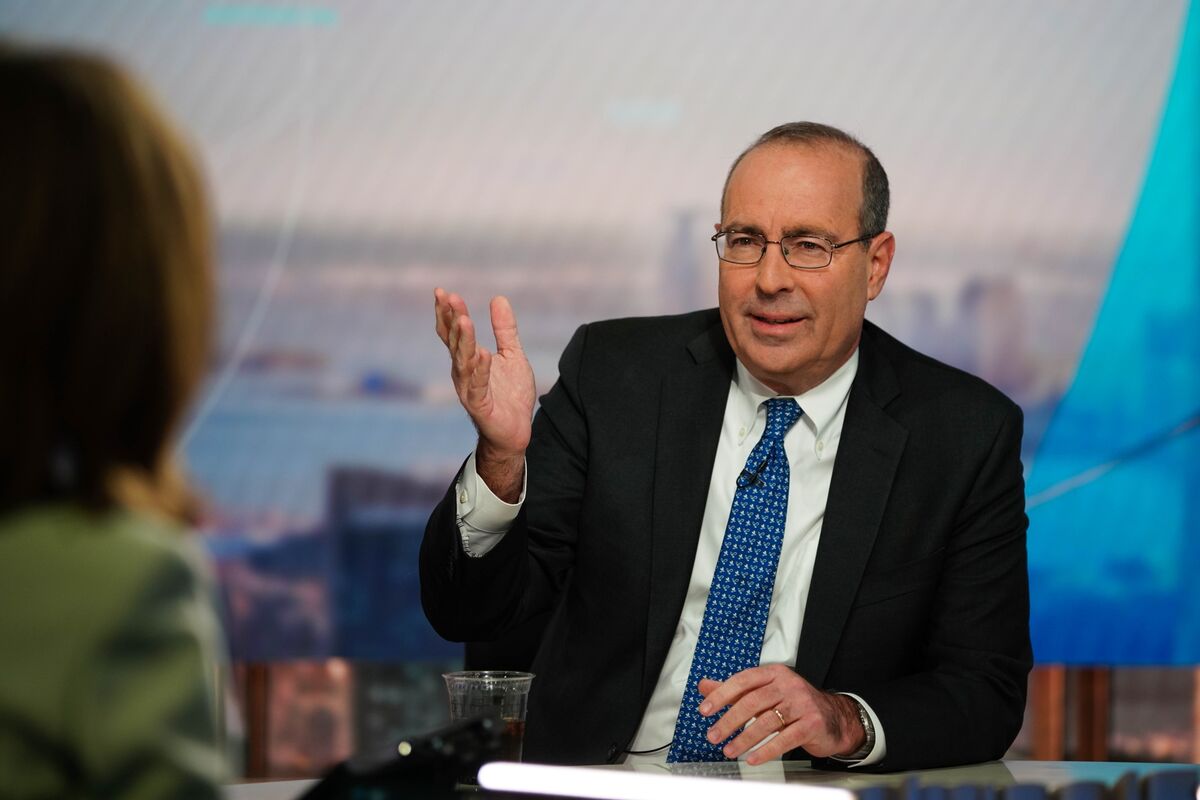
The policy backdrop has done part of the work. In an interview reported by Bloomberg, Richmond Fed President Tom Barkin said the personal consumption expenditures index rose 4.1 per cent in the year through May, the fastest pace since April 2023 and still well above the central bank’s 2 per cent target.
“Those numbers are too high,” Barkin said, according to Bloomberg.
Barkin’s broader point was that inflation has not yet slowed enough for policymakers to relax. He told Bloomberg it was hard to have confidence that price growth was headed back to 2 per cent without more influence from the federal funds rate, the labor market or another disinflationary force. For currency traders, that is a reason to keep U.S. rate support in the model.
Why capital is choosing the dollar
The rally does not look like only a panic trade. The Post tied dollar demand to foreign investors still favouring the U.S. despite political worries, a sign that the currency is benefiting from the scale of American capital markets as much as from risk aversion.
AI sits at the center of that preference. Investors trying to buy exposure to data centers, chips, power demand and software spending still find the deepest listed markets in the U.S. If those flows keep coming while the Fed stays cautious on inflation, the dollar becomes the cleanest liquid proxy for relative U.S. strength.
Barkin also told Bloomberg that businesses continue to factor current inflation into pricing decisions, giving price growth a degree of persistence. Markets have turned that into a feedback loop: sticky inflation limits the case for Fed cuts, firmer rates support the currency, and dollar strength shows how difficult it remains for global investors to look away from U.S. assets.
The next break in the trade is likely to come from one of two places: inflation cooling enough to revive rate-cut confidence, or the AI-led capital wave losing force. Until then, the 13-month high reads less like a stand-alone currency milestone than a compact verdict on where investors think growth, policy and money flows still favor the United States.
Helena Brandt
Macro reporter covering the Federal Reserve, ECB, inflation prints and jobs data. Reports from Washington.