Bitcoin options expiry meets ETF outflows and thin liquidity
Bitcoin options expiry pressure is colliding with nearly $3 billion of June ETF outflows, leaving thin quarter-end books exposed to sharper swings.
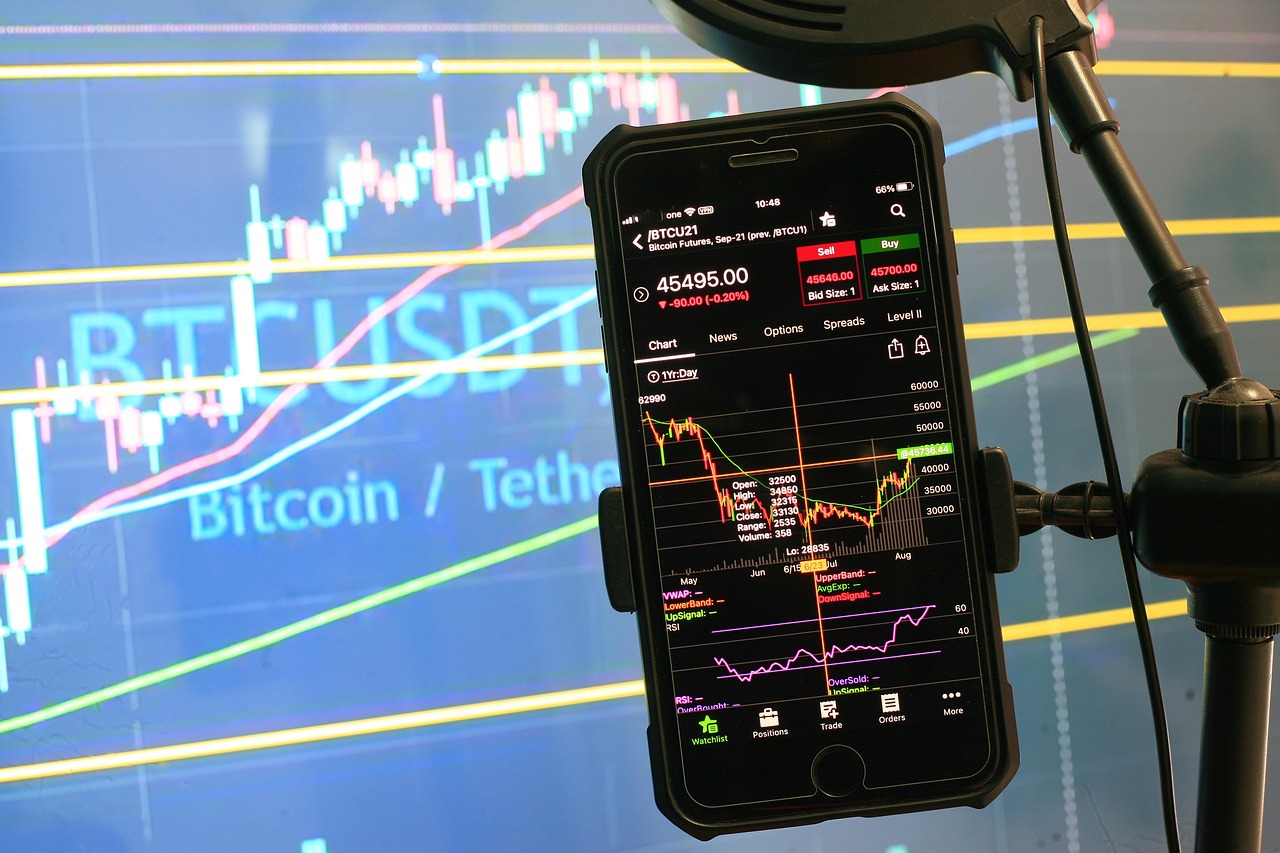
Bitcoin (BTC) hovered near bear-market lows ahead of Friday’s roughly $10 billion Deribit options expiry, with traders staring at a market that looked under-owned in cash and still skewed to upside optionality. The immediate risk is mechanical. A market positioned for recovery is being marked lower into quarter-end, leaving dealers to hedge into weakness rather than lean against it.
That makes this less a referendum on crypto’s long-term thesis than a test of whether the asset still has a live institutional bid. Bloomberg Markets reported that about 37 per cent of Deribit open interest will roll off at 4 p.m. Singapore on Friday. The Block reported that spot had already been pulled toward a $62,000 gamma cluster, while US spot bitcoin exchange-traded funds extended their losing streak. By CNBC’s tally, bitcoin ETF assets had fallen to $77.5 billion from about $113 billion at the end of 2025.
But Adam Haeems, head of asset management at Tesseract Group, reads the same tape as a warning against tidy explanations. An expiry can clear crowded bets. It cannot, by itself, decide where bitcoin trades next month. The more serious problem is that quarter-end books are thin enough for a clean-up event to look like a fresh trend.
“Expiry mechanics clear positioning; they do not set direction.”
— Adam Haeems, Tesseract Group, via Bloomberg Markets
That distinction matters because the market has spent much of June trying to force bitcoin back into the familiar macro script. Easier geopolitical headlines should help risk assets. Eventual Federal Reserve easing should help duration-sensitive trades. A maturing ETF complex should damp volatility. Yet the market arriving at this expiry does not look cushioned. It looks short of conviction, long on conditional upside bets and unusually exposed to any dealer flow that pushes spot through visible strike zones.
History has not offered much comfort. CNBC reported that bitcoin touched an intraday low of $59,023.98 on Tuesday, a level the outlet described as its lowest since October 2024 and part of an eighth month of bear-market trading. That backdrop matters because a large expiry landing near a cycle low is different from one arriving after a clean run higher. Instead of harvesting gains, the market is testing whether holders still want to defend exposure when flows turn one-way.
So the story here is not simply that crypto is weak. It is that bitcoin now trades like a hybrid instrument: part macro asset, part market-structure event, part referendum on whether institutional allocators still want to add risk when the tape stops cooperating.
Why the expiry matters
The first perspective in this story belongs to the derivatives desk. Bloomberg’s reporting on the Deribit book suggests traders had kept positioning for higher prices over the medium term even as spot slipped. That leaves a mismatch between what options owners wanted and where the underlying market actually settled. When calls sit above spot and price starts falling into expiry, dealers who sold those contracts can end up chasing the move lower to stay hedged. In a deep market that effect can be absorbed. In late June, with quarter-end rebalancing and summer liquidity in the mix, it can travel further.

Jean-David Pequignot, Deribit’s chief commercial officer, framed the problem less as panic than as a book being repriced in public. In other words, the market may be discovering that it was structured for a rebound that never fully arrived.
“This is a book that has been positioned for higher prices over the medium term, now being marked against a spot that has slipped.”
— Jean-David Pequignot, Deribit, via Bloomberg Markets
Just as important is the concentration. With 37 per cent of open interest expiring in one session, traders are not dealing with routine calendar noise. They are dealing with a compressed moment in which hedging flows, thin books and visible strike levels can reinforce one another. That is why The Block’s reporting on a $62,000 gamma cluster matters. A heavy expiry does not need to be bearish on its own. It needs only to meet a market already pinned near a level where hedging becomes one-way for a few hours.
If spot breaks through those zones in shallow conditions, the move can look more fundamental than it really is. Traders then spend the next session figuring out whether they just watched price discovery or plumbing. That is the insider view of this selloff: the market may not be expressing a clean macro opinion so much as passing a large derivatives book through a weak spot tape.
The missing ETF bid
The analyst view is less about derivatives and more about what is not there underneath them. The Block reported last weekend that US spot bitcoin ETFs logged a sixth consecutive week of net outflows, extending a selling streak that has steadily eroded the market’s shock absorber. The market had grown used to the idea that every sizeable dip would eventually meet ETF demand. June has challenged that assumption.

The numbers matter because they describe the loss of a buyer big enough to offset crypto-native stress. Bloomberg pegged June net outflows from US-listed bitcoin funds at almost $3 billion. CNBC said total ETF assets had dropped to $77.5 billion from about $113 billion at the end of 2025, after bitcoin’s slide back under $60,000. K33, in analysis carried by The Block, said rolling one-year flows across bitcoin investment vehicles had turned negative for the first time since late 2023. That is the clearest evidence yet that institutional demand has not stabilized this drawdown.
Sam Callahan of OranjeBTC argues that the asset is more mature than it was in earlier selloffs. That maturity shows up less as immunity than as a different kind of fragility. Violent retail-style squeezes have become rarer, but flow-driven weakness now shows through more plainly because the investor base is larger, slower and more benchmarked.
“It’s more institutionalized now, and so you’re going to see declining volatility both on the upside and the downside.”
— Sam Callahan, OranjeBTC, via CNBC
Lower volatility, in other words, does not guarantee stronger sponsorship. It can mean a thinner reflex bid, fewer blow-off recoveries and a market that reprices through allocations rather than through retail euphoria. In that setting, options expiry matters precisely because spot is no longer insulated from institutional hesitation. The stabilizer that investors thought they had bought through the ETF complex has lately behaved more like a transmission channel for risk reduction.
What matters after Friday
Haeems’s skeptical view is the one most worth keeping after the contracts clear. A large expiry can deepen a move into the close, especially when cash demand is weak and books are shallow. It still cannot manufacture a lasting bear thesis. If bitcoin firms after Friday, traders will know that positioning had been doing more of the work than the headlines suggested. If it fails to firm, the cleaner signal will be that ETF demand and macro confidence remain too weak to rebuild the floor.
Recent coverage in The Block on bitcoin stalling near $64,000 as Fed rate-hike risk overshadowed ceasefire relief already pointed to the broader bind: supportive crypto-specific factors are competing with restrictive macro ones. This expiry narrows that broad story into a tradable test. Does bitcoin still attract enough new money when volatility is low, or has it become a cleaner expression of liquidity stress and allocation fatigue?
Put differently, the next signal matters more than the event itself. A market that rebounds smartly after the book clears can still argue that June was a flow accident. A market that keeps sagging will be harder to read as simple quarter-end noise. For bitcoin, that is the more important shift. The next move is being set less by crypto evangelism or macro hope than by whether institutional capital wants to show up when the plumbing is exposed.
Caleb Mwangi
Crypto correspondent covering bitcoin, ether, altcoins and on-chain markets. Reports from Singapore.