Australia core inflation hits 3.6% as RBA pressure builds
Australia core inflation accelerated to 3.6% in May while headline CPI eased to 4.0%, keeping the RBA under hawkish pressure.

Australia’s trimmed mean inflation accelerated to 3.6 per cent in May, even as headline consumer prices eased to 4.0 per cent. The split kept the Reserve Bank of Australia under pressure to stay hawkish, because the core measure policy makers watch most closely moved further away from a clean disinflation signal.
The Australian Bureau of Statistics said annual CPI slowed from 4.2 per cent in April. The core measure moved the other way. Bloomberg reported that monthly trimmed mean inflation rose 0.4 per cent in May, above a 0.3 per cent estimate. The release looked softer at first glance and firmer once volatile items were stripped out.
For the RBA, that mix is the problem. Fuel can pull the top-line rate lower for a month and then reverse just as quickly. Core inflation moves more slowly, and it usually tells central banks more about domestic demand and housing-linked costs. May gave the bank some relief in the headline. It gave far less in the measure that matters for policy.
What drove the split
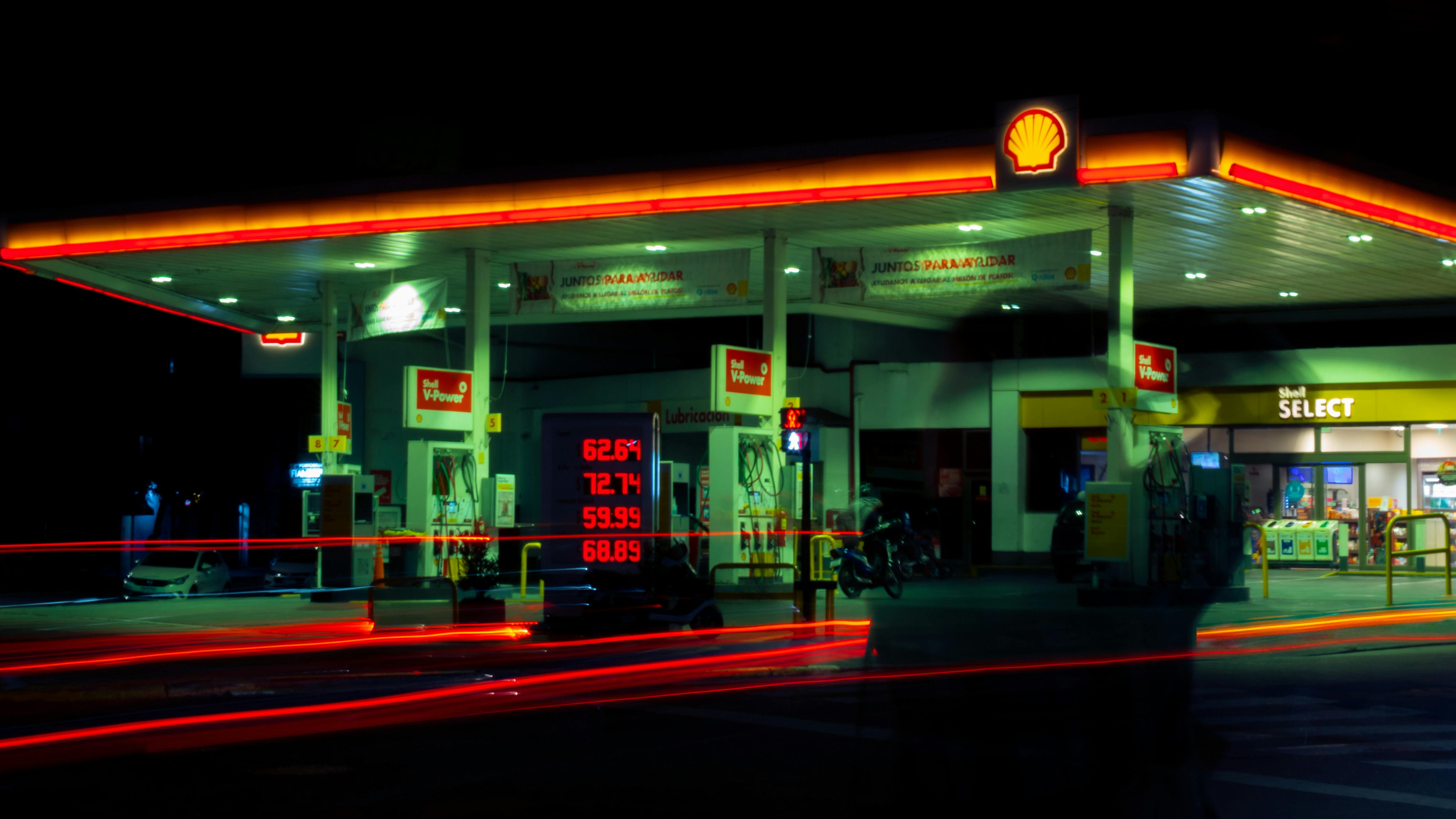
Housing inflation rose 6.5 per cent from a year earlier in May, according to the ABS, leaving shelter as one of the clearest sources of persistence in the basket. Petrol prices did the opposite. Automotive fuel fell 11.9 per cent, restraining annual CPI without saying much about whether services-heavy inflation is cooling quickly enough.
ABS head of prices statistics Rachael McCririck focused on the slower headline figure when the agency released the data. The top-line move was real; the mix underneath was less comfortable.
Annual CPI inflation in May was 4.0 per cent, down from 4.2 per cent in the year to April.
Rachael McCririck, Australian Bureau of Statistics
Policy makers will care about where the improvement came from. A fuel-led decline is welcome, but it is not the kind of easing central banks usually trust on its own. Trimmed mean inflation filters out the sharpest price swings and shows the broader pulse of prices. A 0.4 per cent monthly rise therefore landed as the hawkish part of the release.
Why the RBA cares
Economists treated the release as a warning that the last stretch back to target could be uneven. ABC News reported that Stephen Smith, a partner at Deloitte Access Economics, called the numbers “an unwelcome reminder” that Australia’s inflation problem was not yet solved and said another rate increase in 2026 was still likely. It was a harsher read than the headline slowdown alone would have carried.
Harry Murphy Cruise, an economist cited by ABC, said underlying inflation was the core challenge for the RBA at the moment. The central bank’s recent Statement on Monetary Policy framed the return to the 2 to 3 per cent target band as gradual rather than secure. A 3.6 per cent trimmed mean reading still sits well above that band and makes an easy easing story harder to sell.
Markets got a narrower message than a simple headline miss or beat. Australia’s disinflation story is still working at the surface, and falling petrol prices are part of it. The parts of the basket central bankers usually trust most are cooling more slowly. That keeps the policy debate tilted toward caution, even without an immediate shift in the rate outlook.
One month’s data does not settle the RBA’s next move, and the May print is not a global turning point. It does give developed-market rate watchers another example of the problem central banks keep running into: headline pressure can ease while core inflation stays sticky enough to delay any sense of victory. In Australia, that is the signal markets now have to price.
Helena Brandt
Macro reporter covering the Federal Reserve, ECB, inflation prints and jobs data. Reports from Washington.