Alibaba blacklist lawsuit tests Chinese ADR risk
Alibaba blacklist lawsuit has opened a court fight over Pentagon process, investor disclosure and the pricing of Chinese ADR risk.
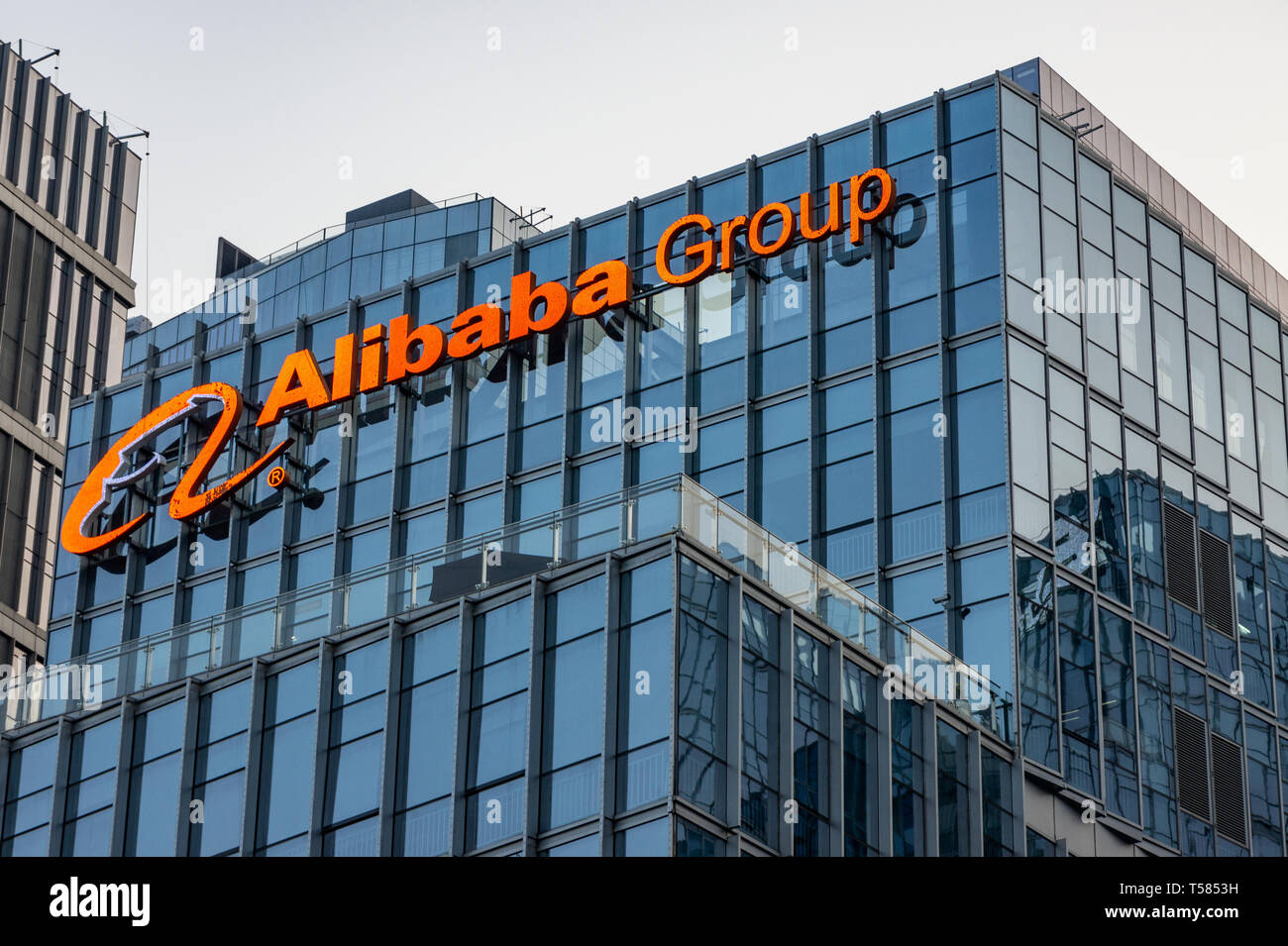
On Monday, Alibaba Group Holding (BABA) sued the US government after the Pentagon put the Chinese ecommerce group on a blacklist for companies it says are linked to China’s military, turning a security designation into a live test of how investors price political risk in US-listed Chinese shares.
Filed in California, the complaint challenges the factual basis for the designation and the process the Defense Department used. For markets, that is the part that travels beyond the lawsuit: a blacklist label can weigh on disclosure, compliance and valuation before it becomes a direct commercial ban.
According to Reuters, the Pentagon’s 8 June expansion left 188 entities on the list, extending a policy tool that now reaches into large commercial groups as Washington tightens its security posture toward China. The report said Alibaba argues the department wrongly tied it to China’s military and relied partly on links to the Ministry of Industry and Information Technology.
The company’s response was blunt. In statements carried by BBC News and Reuters, Alibaba said the government’s conclusions misstate a business built around retail, logistics and enterprise technology.
“The determinations have no basis in fact or law.”
Alibaba, Reuters
What the lawsuit targets
The lawsuit centers on the Pentagon’s designation of Alibaba as a “Chinese military company”, a label with limited immediate market mechanics but a heavier policy schedule already attached. BBC News reported the list starts to trigger an operational penalty on 30 June. Reuters said that by 2027 the Pentagon will be barred from buying listed companies’ products or services through third parties, making the designation closer to a procurement restriction than a symbolic reprimand.
In its filing, Alibaba asks the court to review how the blacklist standard was applied to a large commercial technology group. For investors, the procedural point is not academic. A successful challenge would scrutinise the government’s method as well as the label attached to one company.
Before the hardest restrictions arrive, Alibaba says investors, suppliers and counterparties are already adjusting. The company told the court that its products and services are built for retail, logistics and enterprise information technology rather than defense or intelligence, and asked the court to strike down the designation before the downstream penalties harden.
“Alibaba is not a Chinese military company nor part of any military-civil fusion strategy.”
Alibaba, BBC News
A second question now sits in front of the court: how much evidence the US government must show when it moves a large listed company from commercial category to security concern. For Chinese groups with deep offshore shareholder bases, that process question can matter almost as much as the blacklist itself, because valuation pressure can build once portfolio managers treat Washington policy as a live balance-sheet risk.
Why investors care
Investors in Chinese technology groups are already pricing layers of state risk, from domestic regulation to US sanctions and export controls. A Pentagon label adds another variable. It can complicate disclosure, increase compliance work for banks and funds, and sharpen questions about durable access to US capital and counterparties.
Beyond Alibaba, the court fight may give other listed Chinese groups a map for challenging similar actions if the Defense Department is forced to defend the designation on a firmer factual record. If the government prevails, investors may treat security designations as a standing feature of the Chinese ADR landscape rather than an episodic headline.
For now, the commercial effect on Alibaba remains bounded by the timeline BBC and Reuters set out. The broader market effect is less tidy. A blacklist case that begins with one company’s filing can shape how global investors discount political exposure across a sector, especially when the company involved is one of the best-known Chinese names in international portfolios.
Tomás Iglesias
Financial regulation and legal affairs. SEC, CFTC, FCA, market-structure and enforcement. Reports from Washington.