Fed quiet-period scrutiny grows after Bowman's BofA dinner
Fed quiet period scrutiny intensified after Michelle Bowman spoke at a Bank of America client dinner, raising fresh private-access questions.
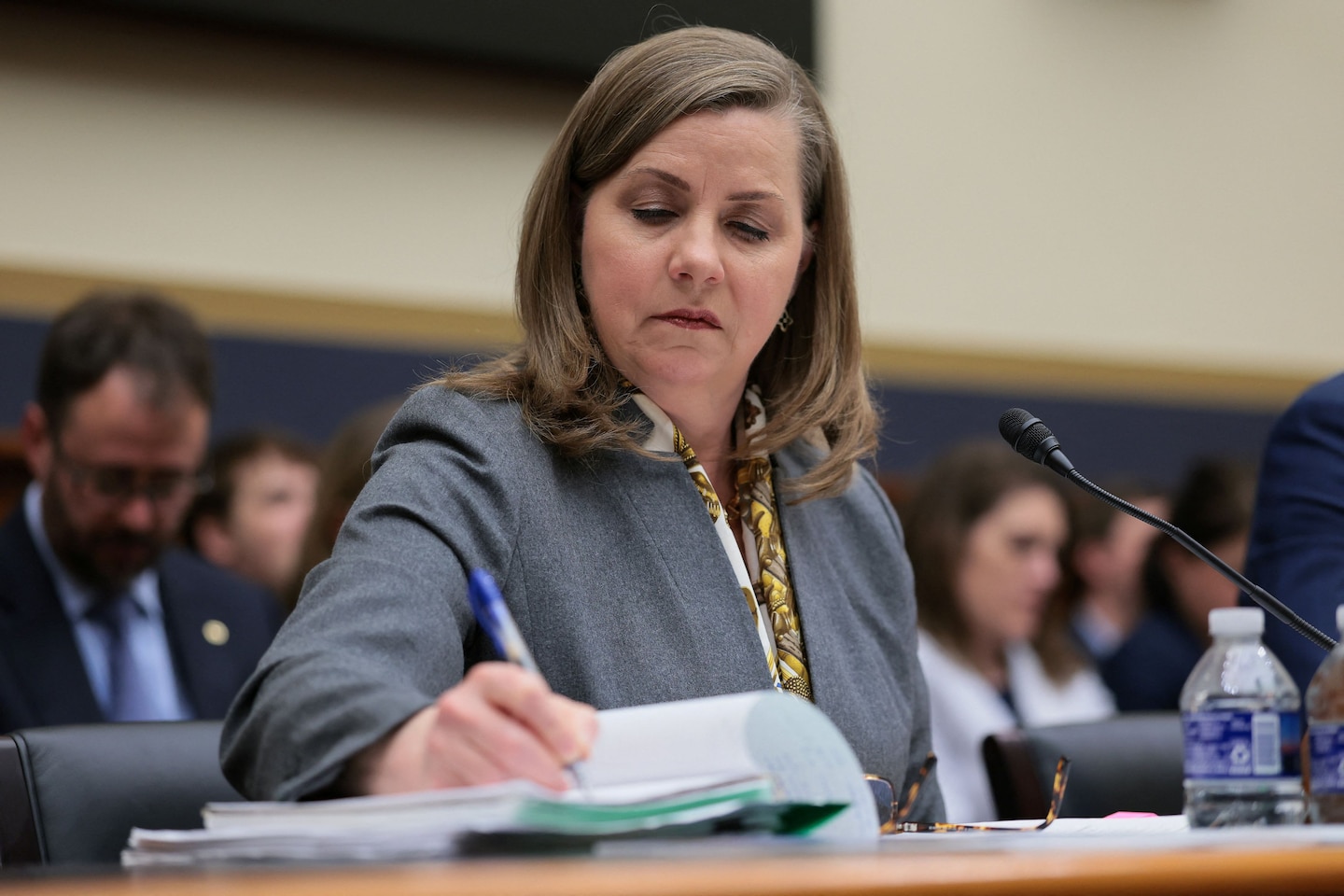
Federal Reserve vice chair for supervision Michelle Bowman spoke at a Bank of America client dinner in New York on Wednesday evening, hours after the central bank’s latest policy meeting and while the Fed’s blackout window was still in force, according to The Washington Post and The Wall Street Journal. The reports have put Bowman’s appearance in the middle of a familiar Fed problem: how to keep powerful market participants from appearing to receive privileged access to policy officials.
For now, the public record does not show Bowman broke a rule. The tension is more specific. A private dinner for one large bank’s clients is an uncomfortable fit with a quiet-period regime built to keep policy signals broad, official and evenly available after a rate decision.
By the two newspapers’ accounts, the facts are limited but not trivial. The Journal said the dinner was held Wednesday evening. The Post said three people familiar with the event described Bowman addressing Bank of America clients.
On the calendar, that timing matters. The Federal Reserve Bank of Atlanta’s blackout calendar lists the June meeting quiet period as June 6 through June 18. The Atlanta Fed says: “Federal Reserve policy limits the extent to which staff and Federal Open Market Committee (FOMC) participants can speak publicly or grant interviews during Federal Reserve blackout periods.”
A separate Fed policy on external communications of system staff covers outside appearances and market-sensitive conversations. Bowman was not described as appearing at a public panel or a press conference. She was described as speaking at a client event hosted by one of the largest US banks.
The Journal added one important wrinkle: the quiet period runs through the day after the meeting ends, in this case through Thursday, not just around the release of the rate statement. The point, the Journal wrote, is “to keep individual officials from muddying the committee’s message immediately after a decision.”
Private access question
Fed blackout guidance is written mainly around public speeches and interviews. It does not map neatly onto every private conversation a senior official might have. That is why the Bowman episode is best read, at least from the available reporting, as a process-and-access story rather than a proven rule breach. Markets still care. The institution’s credibility depends partly on whether investors believe the same policy signal reaches everyone at roughly the same time.
Bank of America’s role gives the episode its sharper edge. The Post, citing three people familiar with the event, reported that Bowman addressed the bank’s clients at the dinner. Nothing in the available reporting establishes that she offered fresh policy guidance. The question is whether the setting gave one audience proximity that other investors could not match.
In The Washington Post’s account, “private meetings with a single firm’s clients are generally off-limits.” That wording leaves room for facts not yet public, and it is not a formal finding against Bowman. It does, however, go to the heart of Fed communications controversies: the line between routine outreach and access that can look selective.
Bowman’s job raises the stakes. As vice chair for supervision, she sits at the intersection of bank oversight and monetary policy. A meeting with clients of a major bank can draw scrutiny on both fronts, especially in a week when the central bank was still trying to manage the message around its latest decision.
So far, the record supports a narrow conclusion. A dinner took place, it was tied to Bank of America clients, and it fell inside the blackout window listed by the Atlanta Fed. The available reports do not show that Bowman delivered a new policy signal or that the Fed has determined its rules were breached. The episode still shows how quickly the quiet-period rule can become a market-fairness question when senior officials appear in private rooms.
Tomás Iglesias
Financial regulation and legal affairs. SEC, CFTC, FCA, market-structure and enforcement. Reports from Washington.