S&P 500 binary options: Schwab and Cboe test retail demand
S&P 500 binary options could reach Schwab accounts through Cboe, widening prediction-style trading inside mainstream retail brokerage.
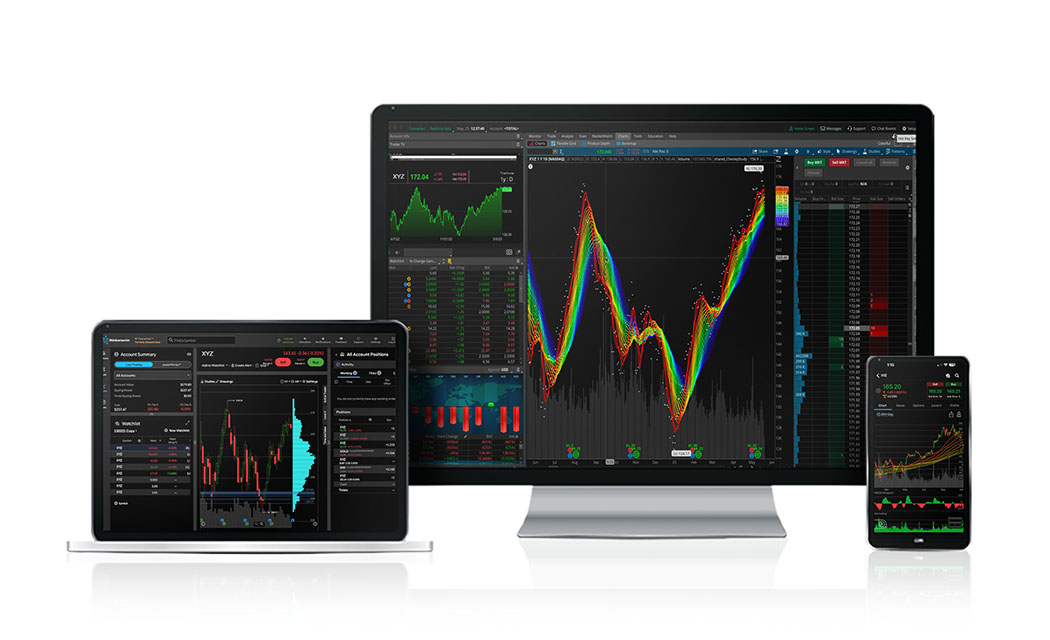
Charles Schwab (SCHW) shares fell 2.96 per cent to $91.70 on Thursday, and Cboe Global Markets (CBOE) lost 2.54 per cent to $249.10, after The Block reported that the brokerage and exchange operator are working on S&P 500 yes-or-no contracts. The product would pull a prediction-market payoff into a brokerage setting: customers would make an all-or-nothing call on the benchmark index rather than buy the index itself.
Scale is what makes the proposal more than another derivatives listing. Schwab oversees about $13 trillion of client assets and serves tens of millions of brokerage accounts, according to the same report. If Cboe and Schwab bring the contract to market in coming months, it would test whether event-style trading can sit beside ETFs, listed options and individual stocks in an ordinary retail account.
The product also narrows the current prediction-market fight. Much of the political pressure has been about sports and election contracts. An S&P 500 contract sits closer to existing market plumbing, where short-dated instruments, market makers and exchange clearing are familiar to equity traders. Schwab and Cboe are asking whether the yes-or-no format looks less like wagering when the reference point is a stock index.
There is money in that question. Bernstein said Robinhood’s prediction-market revenue could rise from $150 million in 2025 to $586 million in 2026 as big events lift volumes. A separate report on Kalshi said the platform has moved past a $2 billion annualised revenue run rate and reached a $22 billion valuation in its May funding round. For a large broker, event contracts are becoming a retention problem as well as a product trial.
Why Schwab is looking again
Schwab chief executive Rick Wurster sounded cooler on the category earlier this year. In comments carried by The Block, Wurster said prediction markets were “not high on our list at the moment,” a line that captured how cautiously established brokers had treated a market shaped by election betting, sports contracts and crypto-native venues.
“not high on our list at the moment”
Rick Wurster, Schwab chief executive, via The Block
A binary contract on the S&P 500 gives the idea a different setting. Cboe has spent decades turning market views into listed instruments for retail and professional traders. The payoff would be simpler, but the reference asset is the same benchmark that already anchors options, futures and exchange-traded funds across US markets.
Competition is pushing the same way. Robinhood has leaned further into event contracts, Kalshi is discussing an eventual IPO, and crypto venues are testing ways for customers to trade outcomes rather than own the underlying asset. CNBC reported this month that Coinbase is offering perpetual futures tied to private companies including SpaceX, another sign that outcome-based trading is spreading across brokerage and crypto venues.
Where the regulatory line sits
For regulators, the question is whether an index-linked contract stays inside a cleaner perimeter than sports or political markets. The Block reported this week that Washington is still debating how far the Commodity Futures Trading Commission can go in supervising prediction markets. An earlier White House review of proposed CFTC rulemaking put the issue inside the federal policy process.
Former SEC chair Gary Gensler, in comments quoted by The Block, drew that boundary around sports betting when he said that if Dodd-Frank had pre-empted states, it would have ranked among the law’s biggest surprises. Schwab and Cboe appear to be testing a different lane: an all-or-nothing contract tied to the S&P 500, not to a football game or an election result.
The boundary may still be challenged if retail volumes surge. For now, it explains why mainstream finance keeps moving toward the format. If Schwab brings a yes-or-no S&P 500 contract to market, the larger signal will be that prediction-market logic has moved closer to the core brokerage account, where the next fight is over how much of it investors, exchanges and regulators treat as ordinary market structure.
Avery Lin
Markets editor covering US equities, single-name stocks and quarterly earnings. Reports from New York.