Russian shadow fleet tanker boarded by UK in 6-hour raid
Russian shadow fleet tanker Smyrtos was boarded for six hours as Britain moved sanctions enforcement from paper listings to oil logistics.
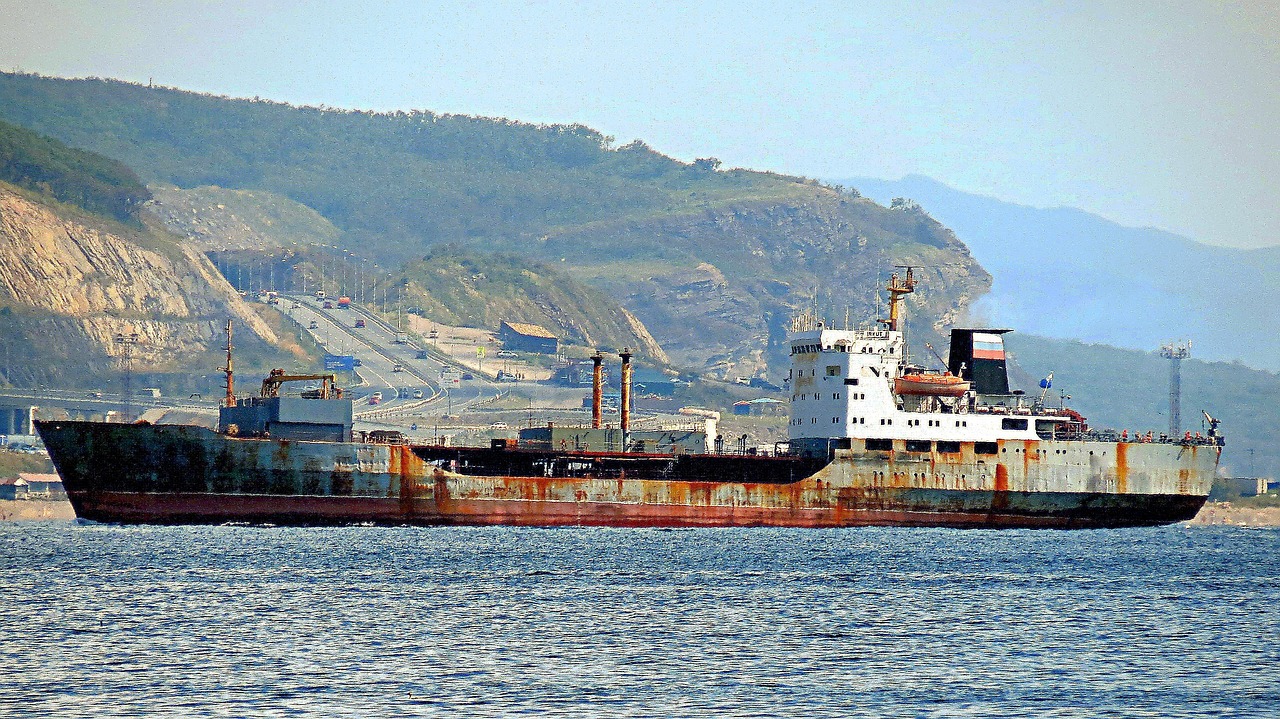
British forces boarded the sanctioned tanker Smyrtos for six hours on Sunday, making the vessel the first Russian shadow-fleet ship targeted in a UK-led interdiction and adding a new enforcement risk around Moscow’s oil exports.
Held off England’s south coast, the ship remains under investigation for sanctions and maritime issues, according to the UK government. The operation involved the National Crime Agency and followed a UK push to turn vessel designations into pressure on the shipping network that keeps Russian crude moving.
London’s figures show why a single tanker drew such a public response. Britain says it has sanctioned almost 600 shadow-fleet vessels. The fleet carries 75 per cent of Russia’s sanctioned oil, according to the government, which also says Russia’s oil and gas revenues fell 24 per cent year on year in 2025.
Prime Minister Keir Starmer cast the boarding as enforcement against the cash flow behind the war in Ukraine.
“This successful operation delivers yet another blow to Russia and reminds those fueling Putin’s war in Ukraine that we will not let them hide.”
Keir Starmer, UK prime minister
Markets are likely to read the move more narrowly than Westminster. One tanker does not change crude supply on its own. What it does change is the compliance risk around Russian barrels, which is no longer limited to paper designations, bank screening and port notices. A live boarding in one of Europe’s busiest sea lanes now sits on the risk map for ship managers, insurers, traders and brokers.
Reuters reported that British forces intercepted the tanker in the Channel, while The Guardian reported that the vessel was linked to Russia’s shadow fleet. The government said the ship was sanctioned and would remain off the south coast during the investigation.
European ports and service providers now have a route-by-route problem to weigh. A tanker may clear one checkpoint and still meet a different enforcement posture in another jurisdiction. That unevenness has a cost, because traders have to price delay, title risk and reputational exposure before the cargo reaches a buyer.
Sanctions move to sea
Shadow-fleet tankers have become the logistical workaround for price caps, insurance restrictions and port controls imposed after Russia’s full-scale invasion of Ukraine. Ownership chains are often opaque. Flags shift. Enforcement can trail the trade.
Smyrtos matters to oil logistics even if the immediate volume is small. The boarding adds a physical enforcement channel to a sanctions regime that has relied heavily on identifying vessels, warning counterparties and tightening finance. Once a tanker is boarded, a voyage can be delayed, the next buyer may face fresh questions and service providers have to re-check whether they are exposed to a designated hull.
Banks and insurers face the same shift. A sanctions-screening problem can become an operational one, with cargo, crew and financing questions attached to a detained vessel. That does not stop every cargo. It can change the risk premium on the next one.
Defence Secretary Dan Jarvis put the action in those terms, saying the shadow fleet was part of Moscow’s funding route.
“Russia relies on its shadow fleet to fund their conflict in Ukraine and our interdiction delivers a blow to Putin’s illegal war.”
Dan Jarvis, UK defence secretary
Coordination is part of the signal. The UK government said the operation was conducted in close coordination with France and follows wider support from the US and European partners. For energy desks, that points to a sanctions campaign that may be harder to arbitrage by shifting routes between jurisdictions.
Oil traders will still separate enforcement headlines from immediate supply losses. Russia’s export system runs through a broad network of owners, traders, ship-to-ship transfers and end buyers, and one interdiction will not close that system. It may widen the discount buyers demand for sanctioned barrels and raise the cost of moving them through waters where Western navies and law-enforcement agencies are willing to act.
Britain’s message is that sanctioned shipping can be stopped, searched and held. The market message is narrower, but still important: Russian crude logistics now carry an enforcement risk that can show up at sea, not only on a spreadsheet.
Tomás Iglesias
Financial regulation and legal affairs. SEC, CFTC, FCA, market-structure and enforcement. Reports from Washington.