Russia weighs diesel, jet-fuel export curbs after attacks
Russia is considering limits on diesel and jet-fuel exports after Ukrainian attacks cut refinery run rates, raising the risk of tighter middle-distillate supplies.
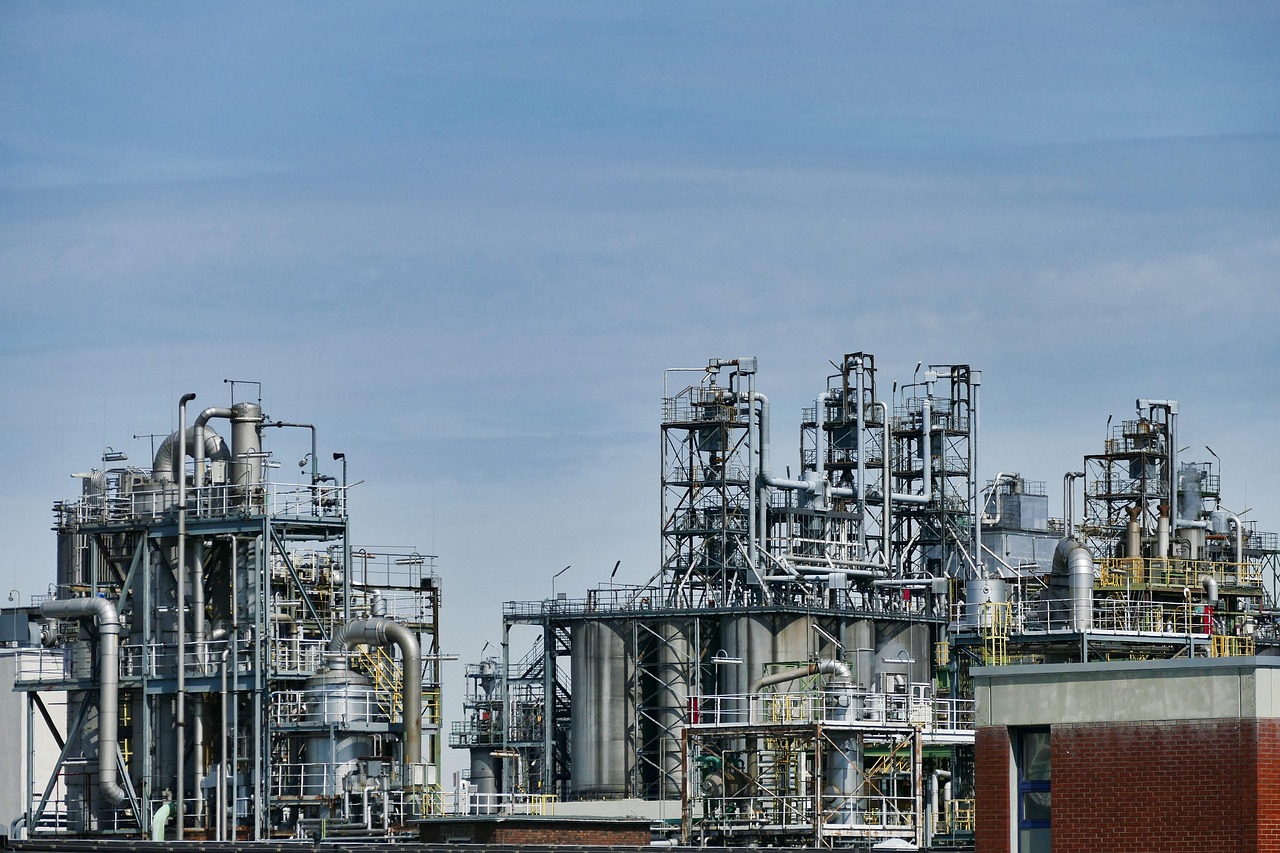
Russia was considering curbs on diesel and jet-fuel exports on Monday after Ukrainian drone attacks pushed refinery run rates to multi-year lows, Bloomberg reported. Interfax said the options were discussed after a meeting chaired by Deputy Prime Minister Alexander Novak, Bloomberg said.
If Moscow follows through, the disruption would move beyond crude and into diesel and jet fuel, the products that feed freight, factories and airlines. That is a different kind of supply problem for buyers because middle distillates are harder to replace quickly once flows tighten.
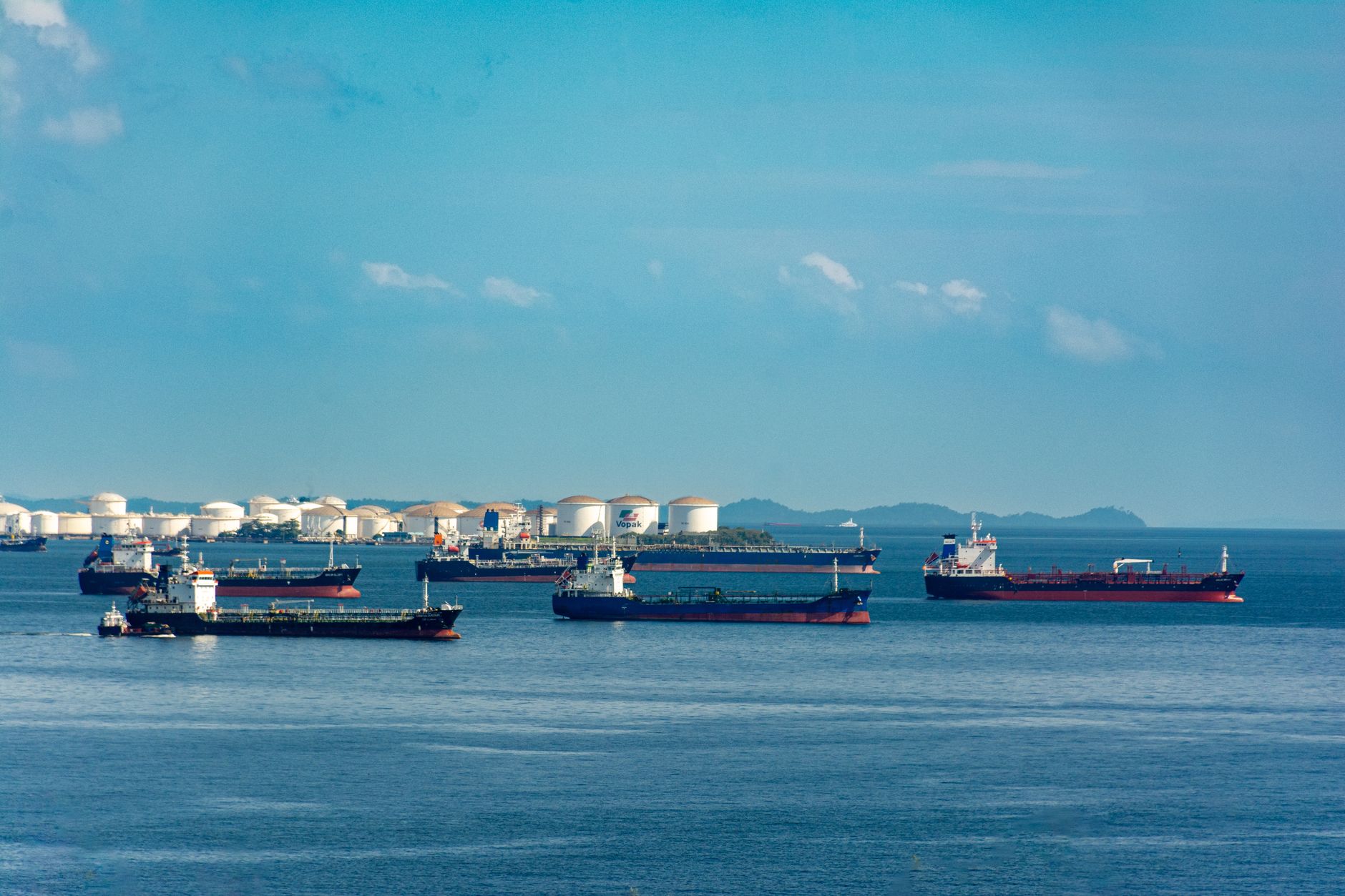
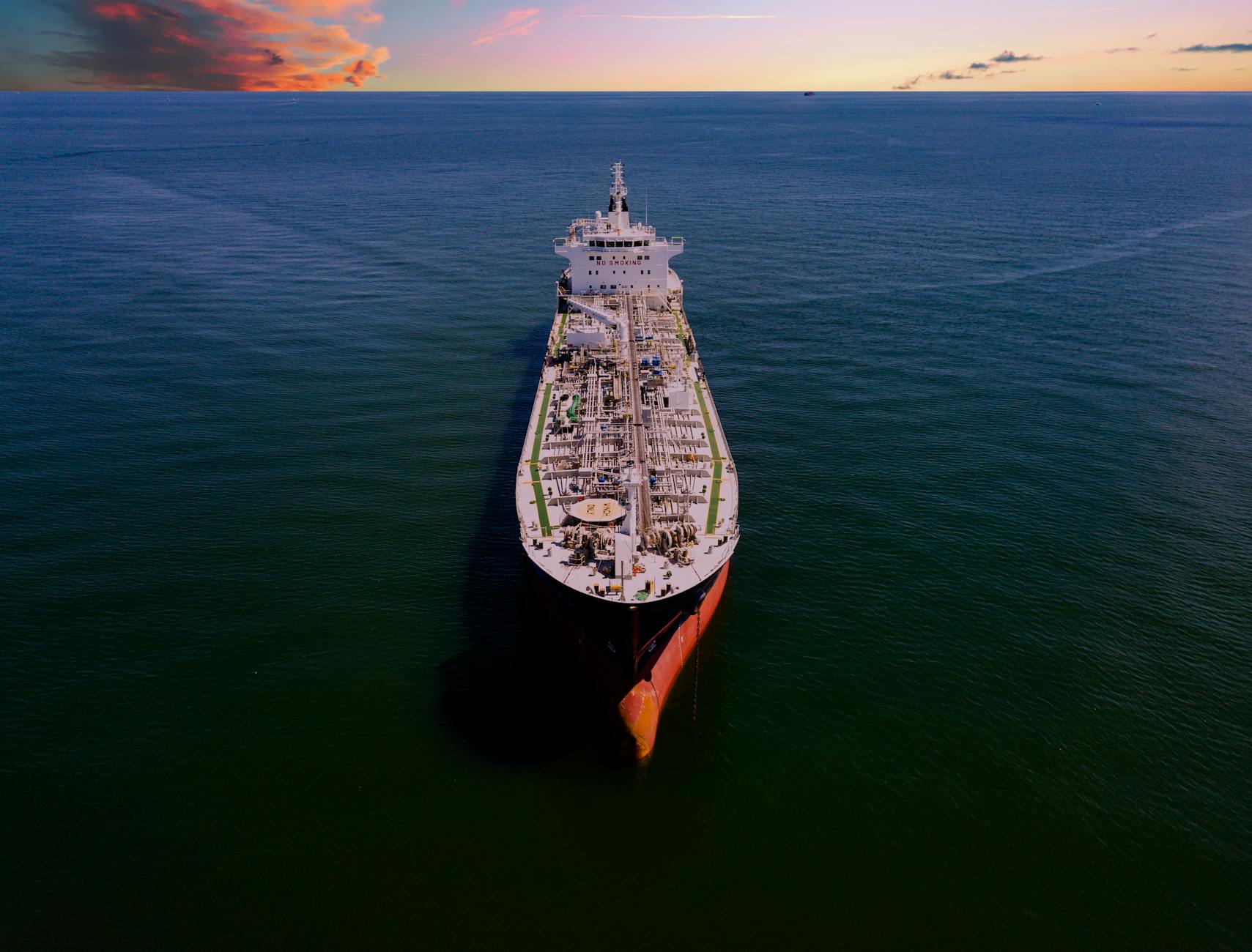
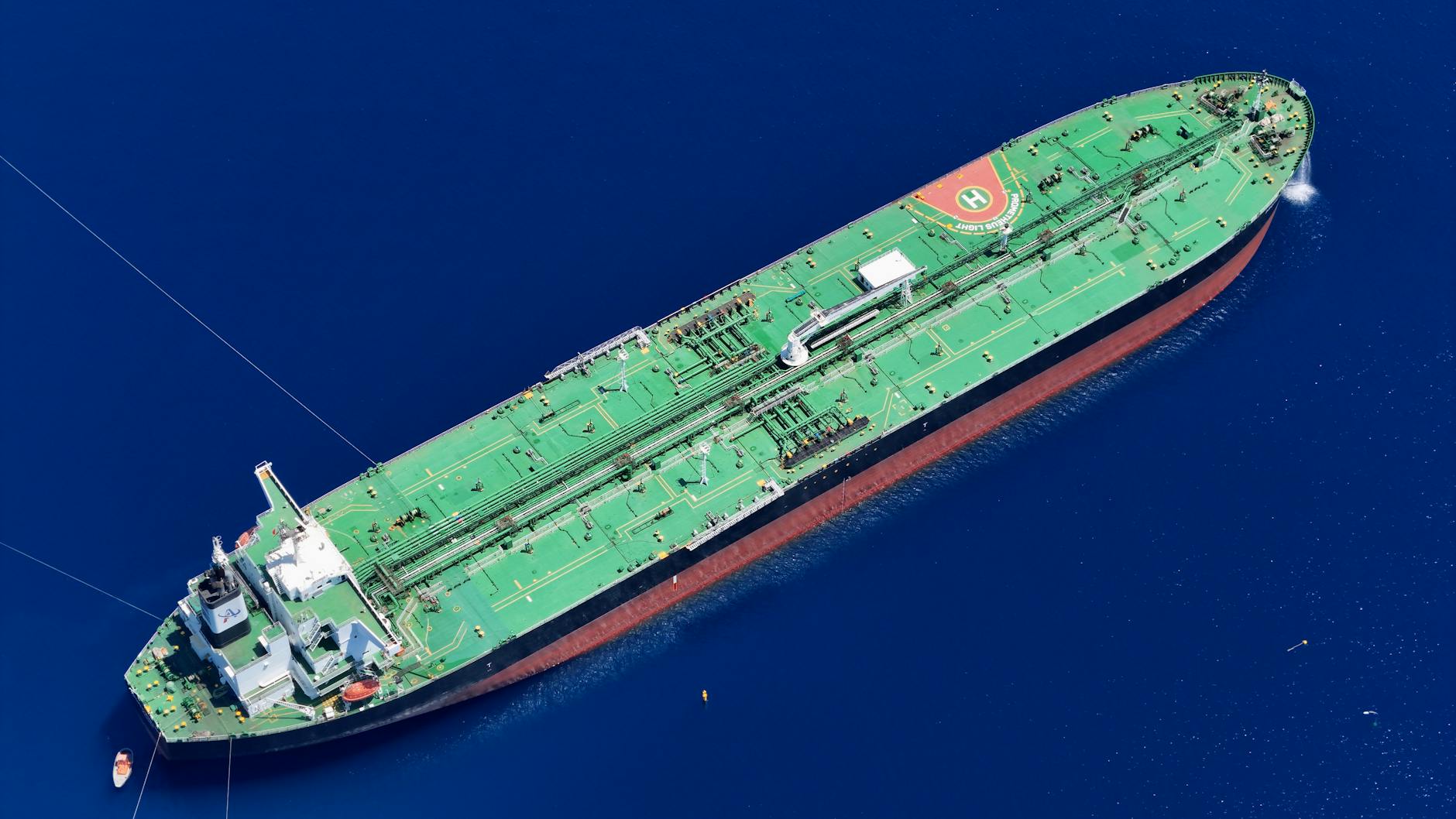
Trade data already point in that direction. Russia shipped 7.77 million metric tons of seaborne oil products in April, down 9.8 per cent from March and 17 per cent from a year earlier, Reuters reported. Exports from Baltic ports fell 31.4 per cent month on month, while about 700,000 barrels a day of crude-processing capacity was offline between January and May. Reuters, citing industry data, said the export drag was already visible before any formal curb.
The refinery losses matter because buyers can usually juggle crude grades more easily than diesel or jet fuel. A hit to refined-product exports can move quickly through freight contracts, airline fuel bills and industrial input costs. Traders also tend to treat a product curb more seriously than a routine refinery-maintenance update because the pass-through is faster.
Britain’s decision this month to allow temporary imports of diesel and jet fuel refined from Russian crude showed how awkward those flows remain to replace even under sanctions, Reuters reported. Prime Minister Keir Starmer said the carve-out was not a retreat from the broader regime:
“This is not a question of lifting existing sanctions in any way whatsoever.”
— Keir Starmer, Reuters
The exemption still showed how hard it is to replace every missing middle-distillate barrel when supply chains are already under strain.
There is also a wider shipping backdrop. In a Monday note carried by CNBC, Piper Sandler’s energy and macro teams said shortages were becoming more urgent as other routes stayed under stress:
“We think the Strait of Hormuz remains largely closed for months yet, meaning shortages become more urgent and oil hits new highs this Summer.”
— Piper Sandler energy and macro teams, CNBC
The note was about Hormuz rather than Russia, but it showed how little slack remains in fuel markets if another export channel is disrupted.
Moscow has not announced a formal curb. Traders are now watching whether the discussion turns into policy and whether Ukrainian attacks keep refinery throughput suppressed. Even a temporary restriction aimed at domestic supply would add fresh risk to global middle-distillate balances.
Reza Najjar
Commodities desk covering oil, natural gas, gold and base metals. Reports from London.