SEC disgorgement power upheld by Supreme Court in 9-0 ruling
SEC disgorgement power remains intact after a 9-0 Supreme Court ruling preserved a central fraud-enforcement remedy for the agency.
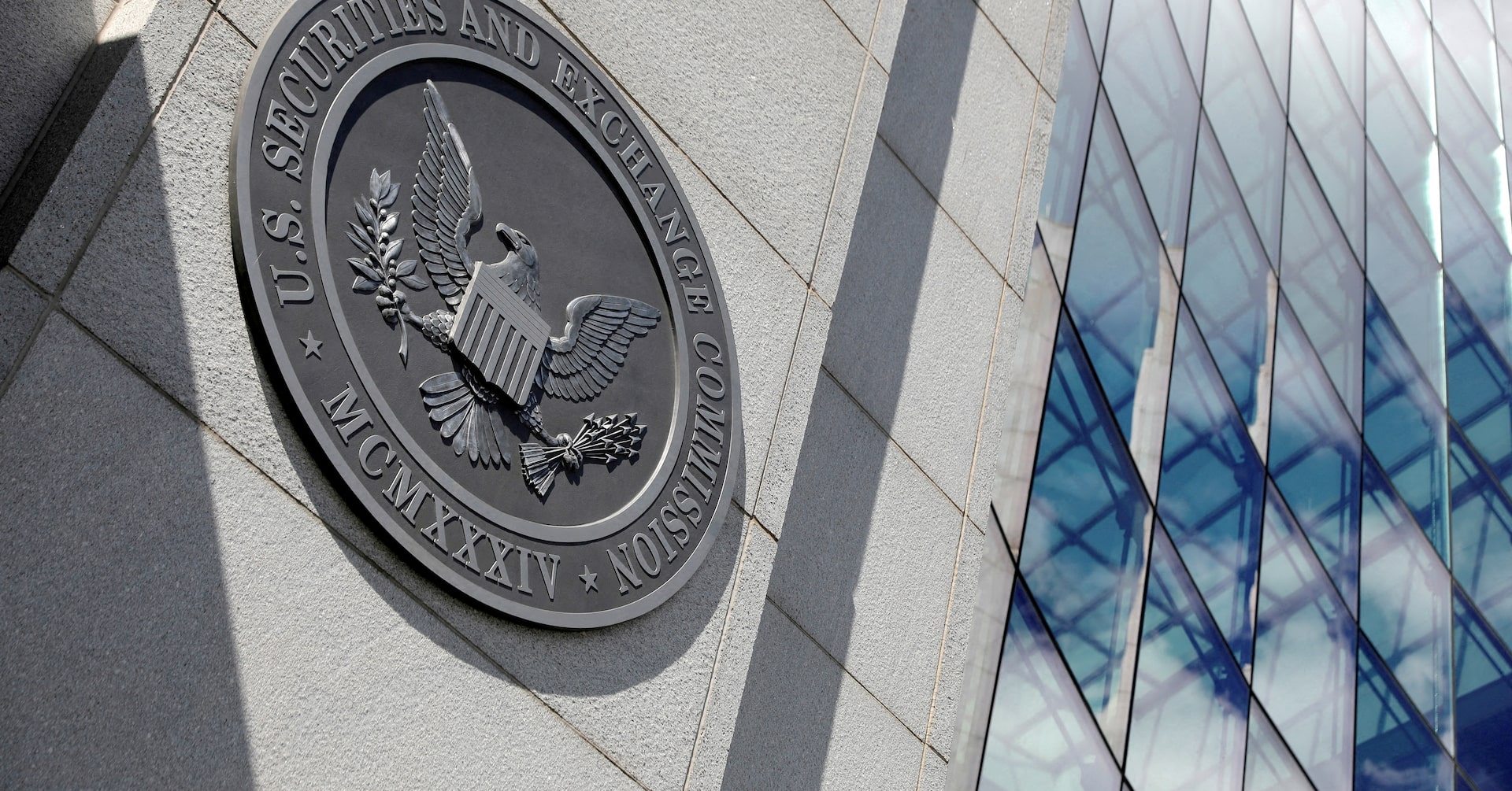
The U.S. Supreme Court unanimously preserved the SEC’s disgorgement authority on Thursday, keeping the securities regulator able to demand illegal profits even when it cannot first prove investors booked a direct financial loss.
The 9-0 decision protects one of the Securities and Exchange Commission’s main settlement tools as the agency resets enforcement priorities under a more capital-formation-friendly agenda. For markets, the point is narrower than the doctrine. Fraud cases still carry the threat that gains can be clawed back.
Justice Neil Gorsuch wrote the opinion for the court and rejected a challenge by Ongkaruck Sripetch. Reuters reported that Sripetch had been ordered to repay more than $3 million in ill-gotten gains and interest after the SEC accused him of securities violations. He also received a 21-month prison sentence in a related criminal case.
The statute does not require the SEC to identify investors who lost money before a court can order the wrongdoer to give up profits, Gorsuch wrote.
“a showing of pecuniary loss is not required before an investor may qualify as a victim of an offender’s wrongdoing entitled to compensation”
Attribution: Justice Neil Gorsuch, in the Supreme Court opinion cited by Reuters
Why the remedy matters
Disgorgement is not a civil penalty. It strips away gains from unlawful conduct. That makes it useful in SEC settlement talks and in fraud cases where the people harmed are difficult to trace. If the remedy were weakened, enforcement staff would have fewer ways to convert misconduct into financial recovery.
The totals show why the ruling matters. The SEC obtained $1.4bn in disgorgement in fiscal 2025, according to Reuters, down from $6.1bn the year before. That decline points to a different enforcement backdrop, not the loss of the legal remedy.
Russell McGranahan, a former SEC official now at Bernstein Litowitz Berger & Grossmann, told Reuters that disgorgement remains central to the regulator’s fraud programme.
“This remedy will remain an important part of the commission’s renewed emphasis on combating fraud”
Attribution: Russell McGranahan, quoted by Reuters
What changes for enforcement
The decision cuts off one argument defendants had raised against SEC disgorgement demands. A Gibson Dunn analysis said the court held that traditional equitable principles do not require proof of pecuniary loss before unjust profits can be awarded.
Gorsuch’s opinion put the point plainly, according to Gibson Dunn: “Whatever else traditional equitable principles demand, they do not require a showing of pecuniary loss before a court may issue an award of unjust profits.” The sentence is important for cases involving diffuse markets, anonymous trading counterparties or losses that cannot be matched to a single victim ledger.
The ruling does not decide how hard the SEC will press its cases. Chair-level priorities, budgets and case selection still shape the agency’s posture. What changed is that a legal overhang has been removed from the tool that gives many SEC fraud cases their settlement weight.
Companies, traders and advisers facing investigations now have a clearer signal from the court. Even if the government cannot show a named investor’s exact loss, the SEC may still seek recovery of unjust profits. Disgorgement remains near the centre of securities-enforcement risk.
Tomás Iglesias
Financial regulation and legal affairs. SEC, CFTC, FCA, market-structure and enforcement. Reports from Washington.