Bank charters draw crypto firms, automakers under Trump
Bank charters are drawing crypto firms, fintech lenders and automakers as Trump eases oversight, widening the race for deposits and loans.
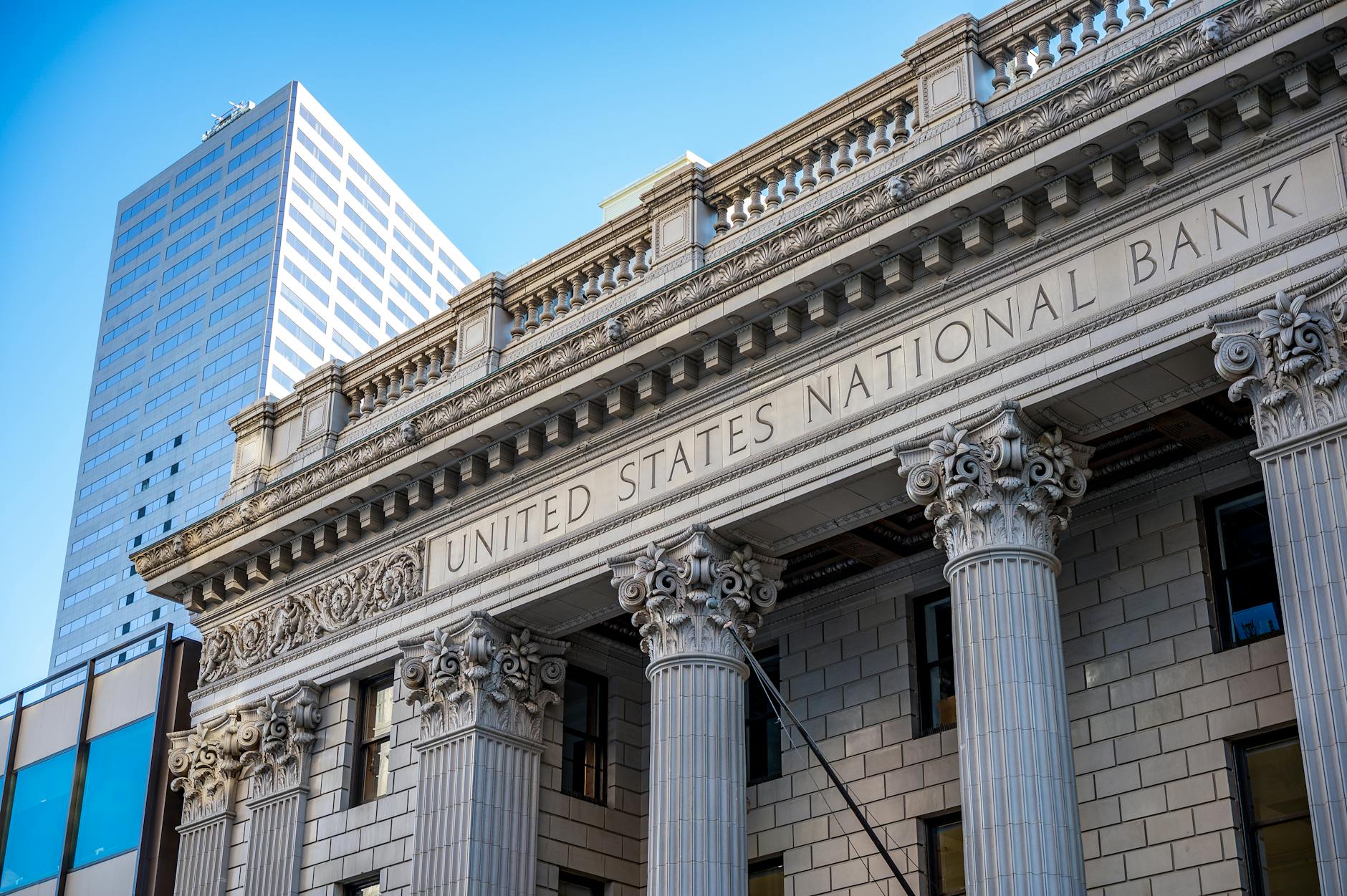
Eight days after President Donald Trump signed a May 19 order urging regulators to integrate financial technology and digital assets into the financial system, crypto firms, fintech lenders and automakers are pressing for bank charters that would let them take insured deposits and make loans more directly. The move would widen the pool of regulated competitors as Washington eases some oversight of digital assets and financial technology.
Regulators are not about to approve dozens of new banks overnight. But they are signalling more clearly that nonbanks can apply. The New York Times reported that the applicants range from crypto ventures to carmakers, including World Liberty Financial, while the Office of the Comptroller of the Currency’s digital-assets licensing page lists pending crypto-related filings and the FDIC’s summary of new deposit-insurance activity outlines the companion insurance process deposit-taking institutions still need.
The White House is treating this as a competition issue as much as a regulatory one. It said the order is meant to fold fintech and digital assets into the broader financial framework, and the OCC’s updated chartering posture took effect on April 1. Together, those steps extend the administration’s earlier crypto-friendly moves into mainstream banking.
A charter changes the economics as much as the legal status. Companies that rely on partner banks can price loans, gather deposits and manage funding inside their own institutions if they win approval. The cost is heavier capital, compliance and examination demands. The current rush suggests more applicants now think that trade-off is worth it.
For fintech lenders, that trade-off is mostly about funding. Affirm Holdings (AFRM) said this month that it has extended nearly $130 billion of credit since its founding and wants an industrial loan company to widen access to insured funding and consumer lending. The New York Times’ reporting on Upstart Holdings (UPST) points to much the same logic.
“It was just a natural next step for us.”
— Paul Gu, chief executive of Upstart, to The New York Times
Why charters matter
Beyond fintech, the prize is direct access to deposits, payment rails and regulated balance-sheet lending. That matters because nonbanks would no longer compete only through apps or partner arrangements. With charters, they could compete deeper inside the banking system.
Automakers see the same opening from a different base. Reuters reported in January that the FDIC cleared the way for Ford Motor (F) and General Motors (GM) to set up industrial banks, giving each company 12 months to stand up lending arms and requiring a 15 per cent minimum Tier 1 leverage ratio. For carmakers, the attraction is tighter control over dealer finance, consumer loans and deposit products that can keep customers inside their financing systems for longer.
Industrial-bank charters are sensitive because they are one of the clearest ways for commercial groups to move closer to deposit-taking without becoming conventional bank holding companies. Ford and GM therefore matter as precedents. If carmakers can clear the process under strict conditions, crypto and fintech applicants will read that as evidence the boundary is shifting.
Where opposition remains
The objections, though, are longstanding. Community-bank critics told Reuters that industrial banks let commercial companies edge into banking while testing the long-standing US separation between banking and commerce. That criticism is likely to sharpen if more crypto applicants move from licensing pages to approved charters, because digital-asset groups still face questions about anti-money-laundering controls, risk management and the durability of their funding models.
Regulators are therefore deciding not only who gets a charter, but how far the next round of banking competition can extend. If the White House, the OCC and the FDIC keep the door open, the next challengers for deposits and consumer credit may come not only from regional banks and fintech partners, but from companies that once sat outside the chartering system altogether.
Naomi Voss
Banks and deals reporter covering bank earnings, fintech, M&A and IPOs. Reports from New York.