Grocery inflation 2026: El Niño, Iran hit food costs
Grocery inflation 2026 is shifting from energy shock to supermarket squeeze as food-at-home prices rise 2.9 per cent.
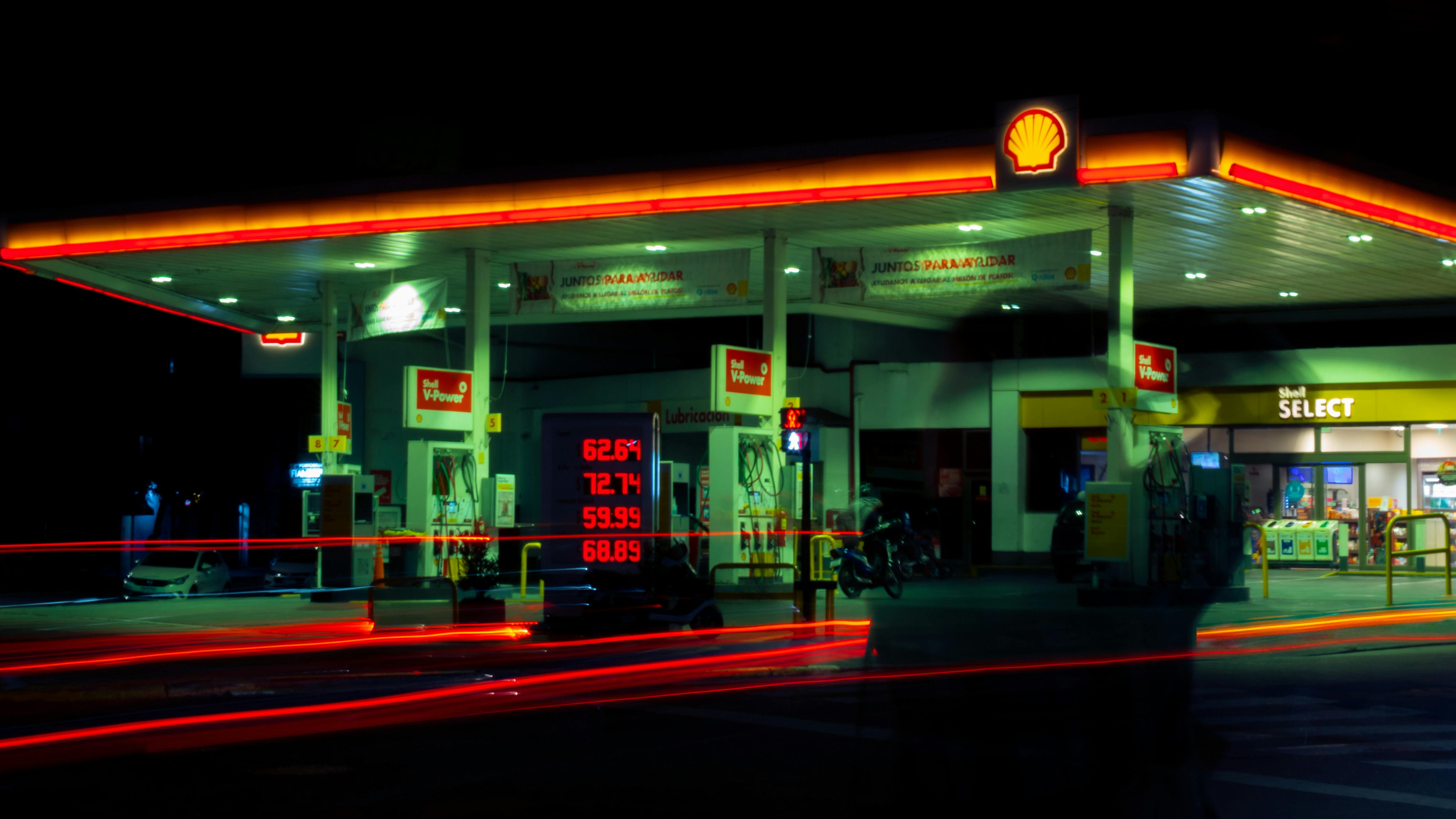
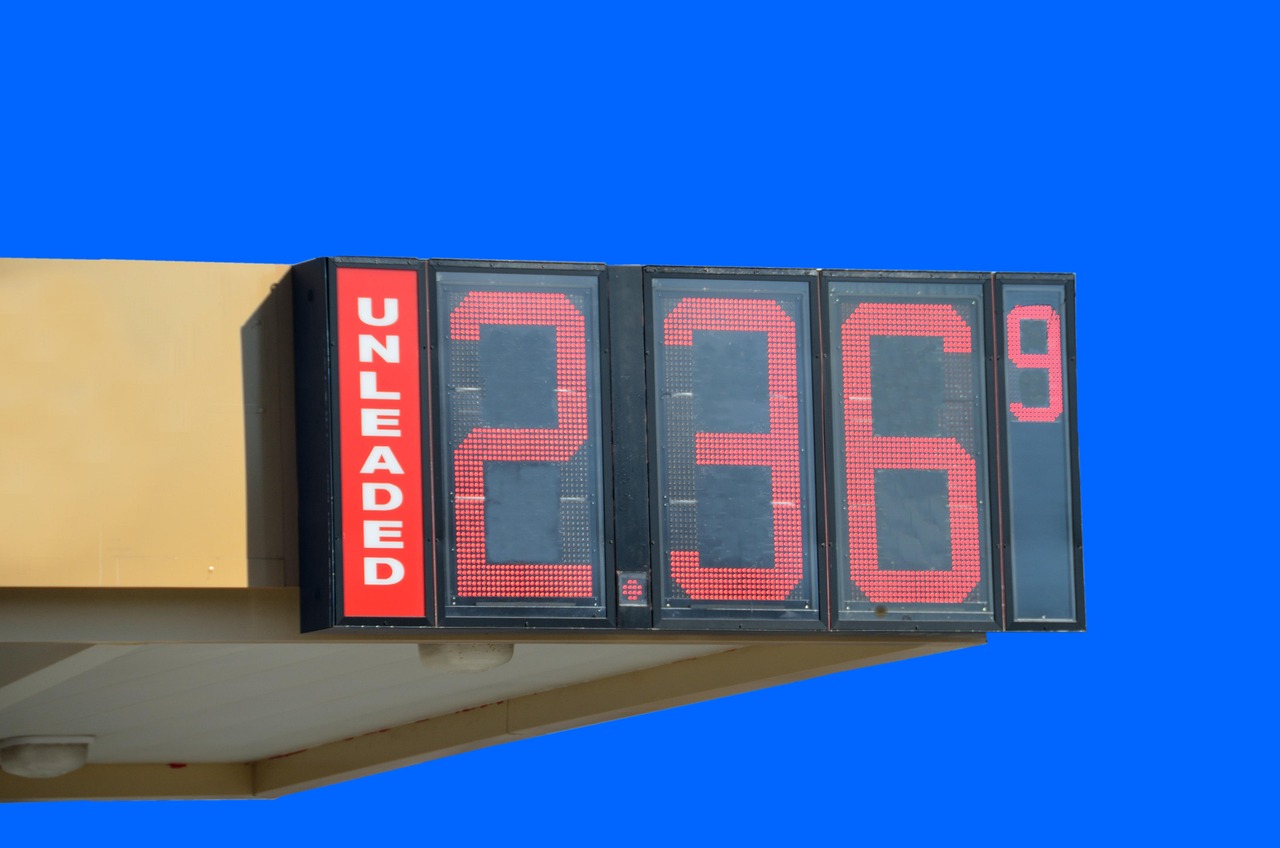
Americans already paying more for fuel face a second inflation squeeze in the supermarket, where weather risk and the Iran war are threatening to push food costs higher through 2026 and into next year.
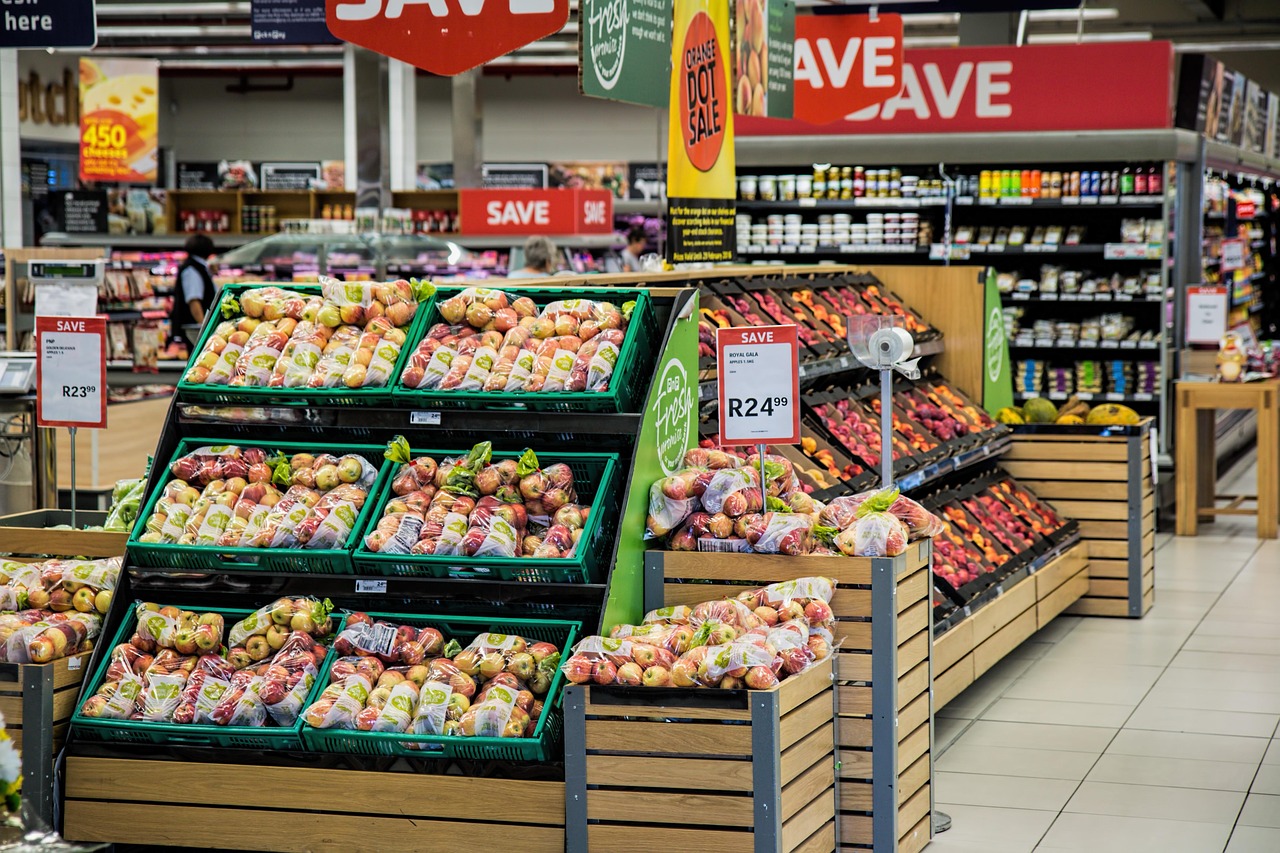
That pressure is arriving before the last round of inflation has fully left household budgets. Food-at-home prices rose 0.7 per cent from March to April and were 2.9 per cent higher than a year earlier, according to the Bureau of Labor Statistics. The U.S. Department of Agriculture expects grocery prices to rise 3.2 per cent in 2026, a forecast that already sits above the Federal Reserve’s 2 per cent inflation target before the next weather shock has landed.
For lower-income households, the data point is not abstract. It is the moment inflation becomes a skipped item, a smaller basket or a trade-off between groceries and another bill. New York Fed economists, in reporting summarized by Reuters, found a sharp rise in food insecurity among households with less education, lower incomes and young children.
“We find a remarkable increase in food insecurity, particularly among lower-educated and lower-income households and households with young children.”
New York Fed economists, via Reuters
For investors and policymakers, groceries carry a wider signal. Food is a small part of the S&P 500 story and a smaller part of bond traders’ daily screens than payrolls or core services inflation. It is also one of the prices consumers see most often. If the grocery aisle heats up again, the inflation debate will feel less settled than the headline numbers suggest.
The aisle as inflation gauge
April’s CPI report offers the immediate signal. A 0.7 per cent monthly increase is a heavy print for a category that households cannot easily defer. The annual rate, at 2.9 per cent, looks calmer only because the comparison is with the already high prices of 2025.

USDA’s latest Food Price Outlook places 2026 food-at-home inflation at 3.2 per cent. That is the base case, not the stress case. Full pass-through from the Iran war is still ahead, and forecasters still do not know whether an El Niño pattern will damage crops in the regions that matter most for U.S. shelves.
Bloomberg’s report on the grocery threat frames the problem as a second-round inflation channel: war first raises energy and transport costs, then ripples into fertilizer, vegetable oils, animal feed and packaged food. Crude may be the visible shock. The slower one is a box of cereal, a carton of eggs or the meat counter repricing after feed costs rise.
Stickiness is the analyst’s concern. Energy can fall quickly when a geopolitical premium unwinds. Food prices usually move through contracts, shipping, inventories and retailer pricing rounds. Once the cost enters the supply chain, consumers can be paying for it months after futures markets have moved on.
Weather turns local prices global
El Niño could carry grocery inflation into 2027. The National Oceanic and Atmospheric Administration put the chance of El Niño emerging in May-July 2026 at 82 per cent, with a higher probability that the pattern continues through the winter. The problem is scope: El Niño shifts rainfall and heat across grain, oilseed and tropical-crop regions rather than moving one commodity in isolation.

Substitution does the rest. If poor weather hits one crop, buyers move to another. If feed grains tighten, meat and dairy prices can follow. Vegetable-oil increases can sit with packaged-food makers for a while, then move to retailers, who decide how much shoppers will tolerate. The grocery shelf records the chain slowly.
The Food and Agriculture Organization’s April index already showed the strain. Global food prices rose for a third straight month to 130.7 points, the highest since February 2023, according to Reuters. Máximo Torero, the FAO’s chief economist, warned that the weather shock would hit planting decisions and supply.
“This will affect planting…there will be a lower supply of commodities in the world - of staple cereals, of feed, and therefore of dairy and meat.”
Máximo Torero, FAO chief economist, via Reuters
At checkout, that becomes a household problem. The shelf price is the end of a long sequence: weather, planting, harvest, freight, processing, wholesale contracts and retailer margins. Any one break can be absorbed. Several together are harder to hide.
Iran adds a second channel
Food is energy-intensive long before it becomes food. Fertilizer production relies on natural gas. Farm machinery burns diesel. Processing plants use power. Refrigerated trucks and containers need fuel. Packaging and plastics feed off petrochemical inputs.
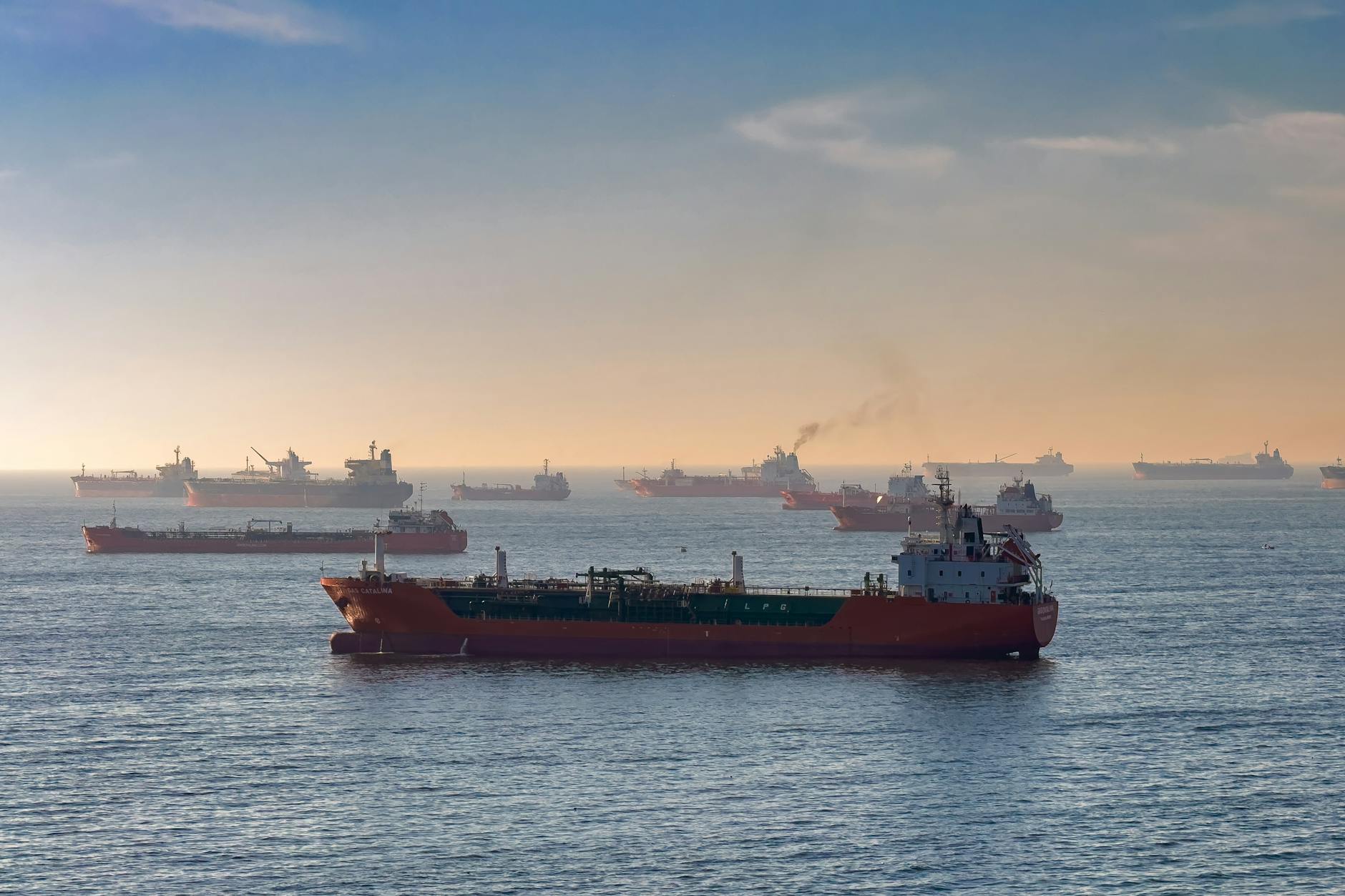
Bloomberg’s grocery-inflation warning connects that machinery to the current geopolitical shock. Oil can be the first asset to move, yet the impact on food prices is broader than gasoline. A higher transport bill raises the cost of moving lettuce from California, beef from the Plains and imported coffee through U.S. ports. Higher fertilizer costs can change what farmers plant or how much they apply, with yield consequences that appear later.
For markets, timing matters. A crude-price spike may show up in consumer inflation quickly and then fade from the monthly data if oil retreats. Food can keep printing uncomfortable numbers after the energy chart looks better. That is how a grocery shock can spoil the narrative of a clean disinflation path even if headline CPI improves for other reasons.
Politics magnifies the channel. President Donald Trump is already governing against an affordability debate that was never limited to gasoline. Shoppers see the weekly bill, not the decomposition between core goods, services and energy. A run of hot grocery prints would land inside the part of inflation voters distrust most: the part they buy every few days.
The Fed cannot eat averages
For the Federal Reserve, grocery inflation is awkward. Officials generally focus on core measures that strip out food and energy because those categories are volatile. That logic is sound for forecasting. It is less persuasive for households deciding whether inflation has calmed.
Aggregate data can miss the pressure. Food-at-home inflation at 2.9 per cent may look manageable next to the spikes of 2022 and 2023. For families whose rent, insurance and debt payments have also risen, another 3 per cent on groceries is paid from income that has already been claimed.
Food insecurity numbers sharpen the point. Reuters’ account of the New York Fed work said lower-income and lower-educated households, along with families with young children, were seeing the most pressure. The grocery shock is regressive before it becomes visible in aggregate spending data. The consumer who cuts restaurant visits can still buy food. The consumer who cuts food is already near the edge.
A noisy food print may not kill rate-cut expectations. A run of household prices that keeps inflation expectations elevated is harder to dismiss. If shoppers repeatedly see higher prices for staples, central bankers may need more evidence from wages and services before sounding confident that inflation is heading back to target.
A slower squeeze
A simple 2026 inflation story had energy doing the damage, then fading. Grocery prices challenge that timeline. They turn the Iran war and El Niño into a staggered sequence rather than a single shock.
Fuel comes first. Then freight, fertilizer and feed. Wholesale contracts follow. Shelves come later. By the time the shopper notices, the source may look less urgent to markets than it did at the beginning.
Lags make food inflation dangerous for policymakers and retailers alike. Supermarkets can discount selectively, suppliers can absorb part of the hit and households can trade down. Those buffers work until they do not. The April CPI print and the USDA forecast suggest the aisle is already carrying more inflation than the headline calm allows.
Whether grocery prices become the next proof point that inflation has settled at a higher plateau is the question for 2026. NOAA’s El Niño odds and the FAO’s food-price index argue for caution. So does the New York Fed’s food-insecurity work. The supermarket is not where inflation models usually start. It may be where this cycle’s second act becomes hardest to ignore.
Helena Brandt
Macro reporter covering the Federal Reserve, ECB, inflation prints and jobs data. Reports from Washington.