Indonesia commodity exports: Jakarta targets trader margins
Indonesia commodity exports are at the centre of a state push to capture trader margins, tighten FX control and test how far resource nationalism can run.
Indonesia is preparing a more ambitious challenge to the global commodity houses, moving to channel as much as $65 billion of coal, palm oil and other exports through a Danantara-backed entity as President Prabowo Subianto tries to bring the trading spread, the financing clout and some of the pricing power back to Jakarta. For the traders and logistics operators that have long stitched together shipments from remote pits and plantations to overseas buyers, the policy is less about paperwork than about whether the state can replace the credit lines, cargo handling and relationships that keep cargo moving.
Beyond Indonesia’s domestic politics, the plan matters because Bloomberg’s reporting suggests the new body, Danantara Sumberdaya Indonesia, would handle exports worth roughly $65 billion a year. Reuters reported that exporters must keep 100 per cent of their natural-resource earnings in Indonesian state banks from June 1. Taken together, the move is both an FX policy and a market-structure policy: Indonesia is not only trying to sell more of its own resources on its own terms, it is also trying to keep the dollars, and the bargaining power that comes with them, at home.
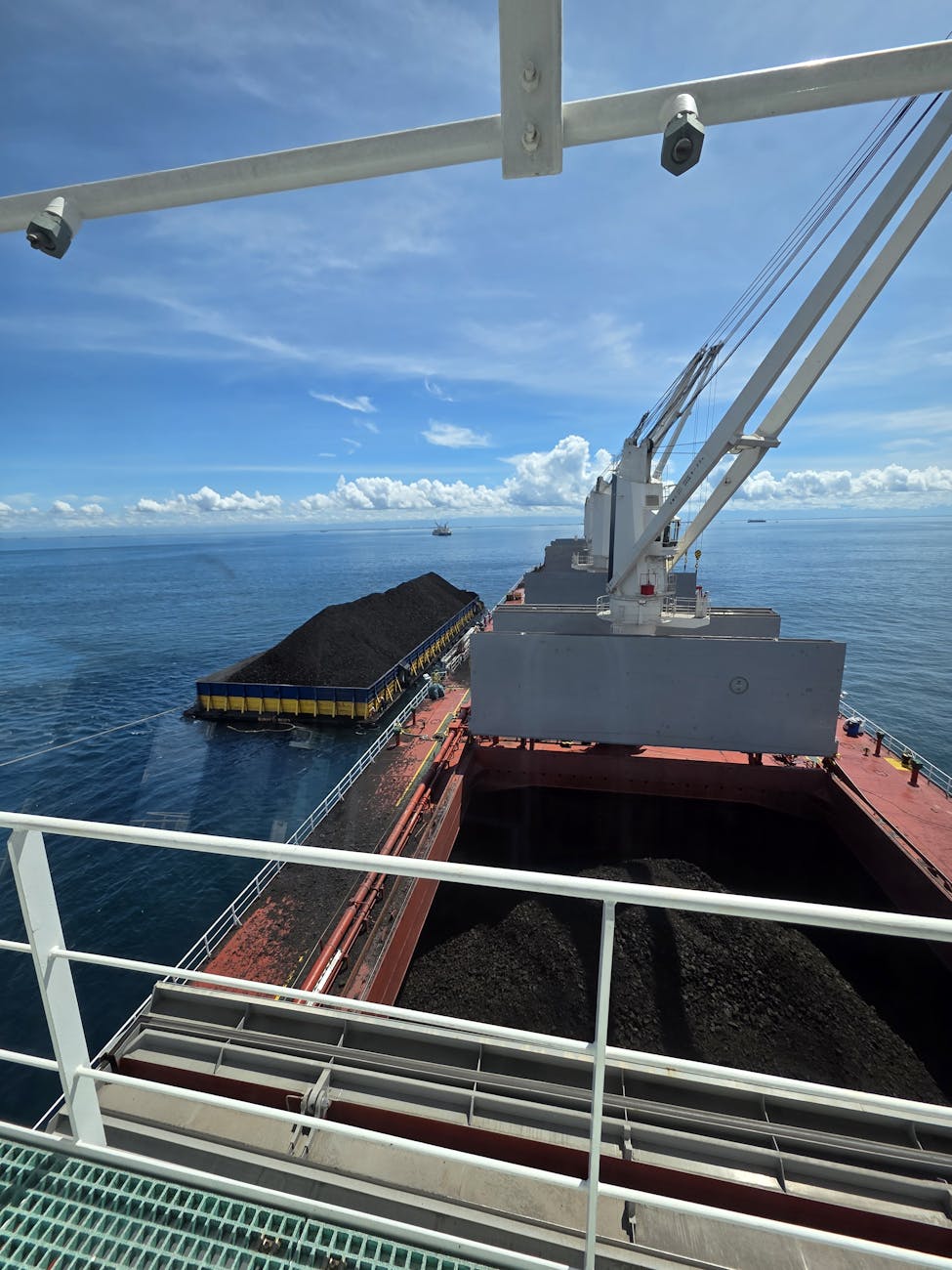
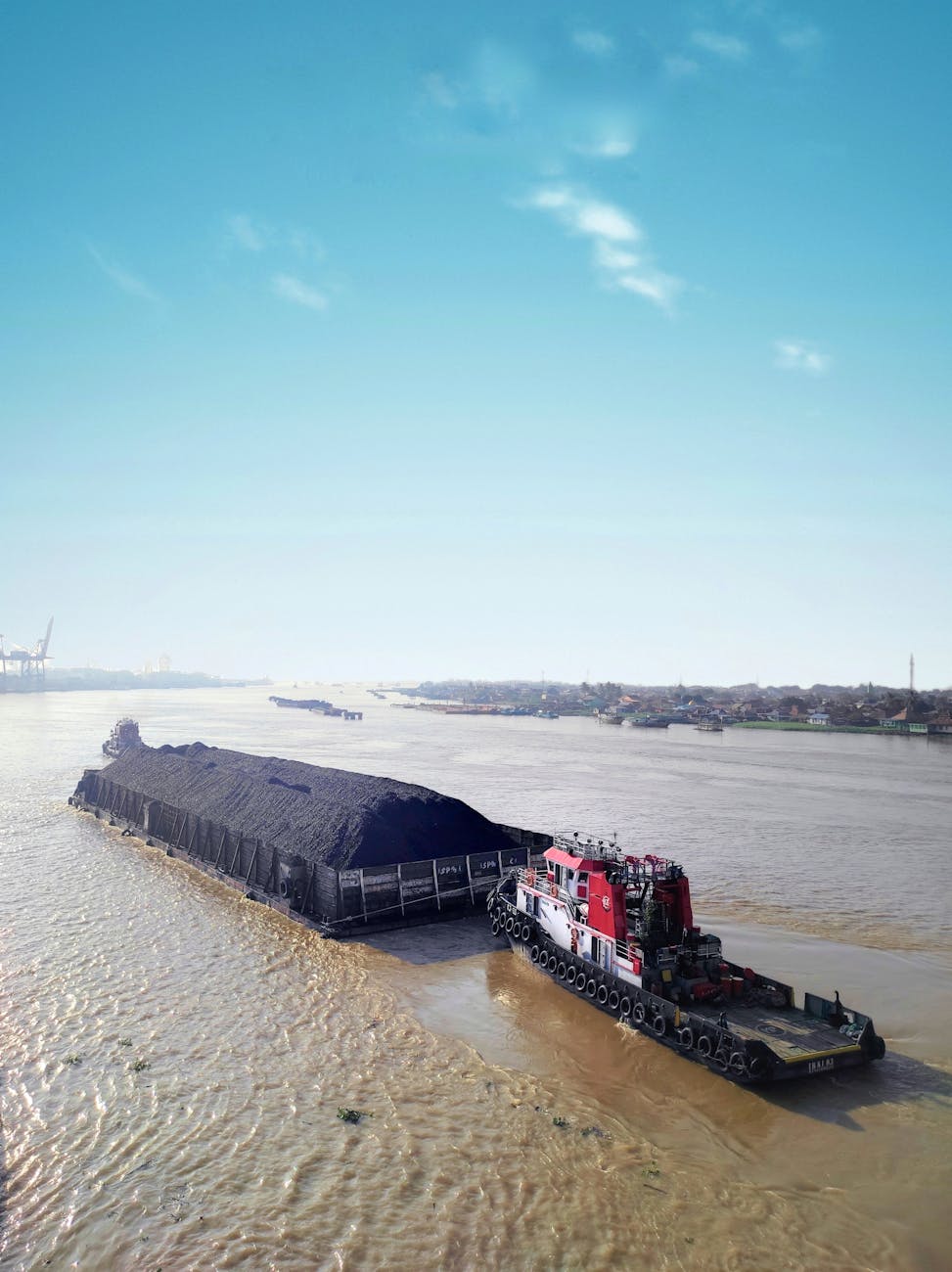
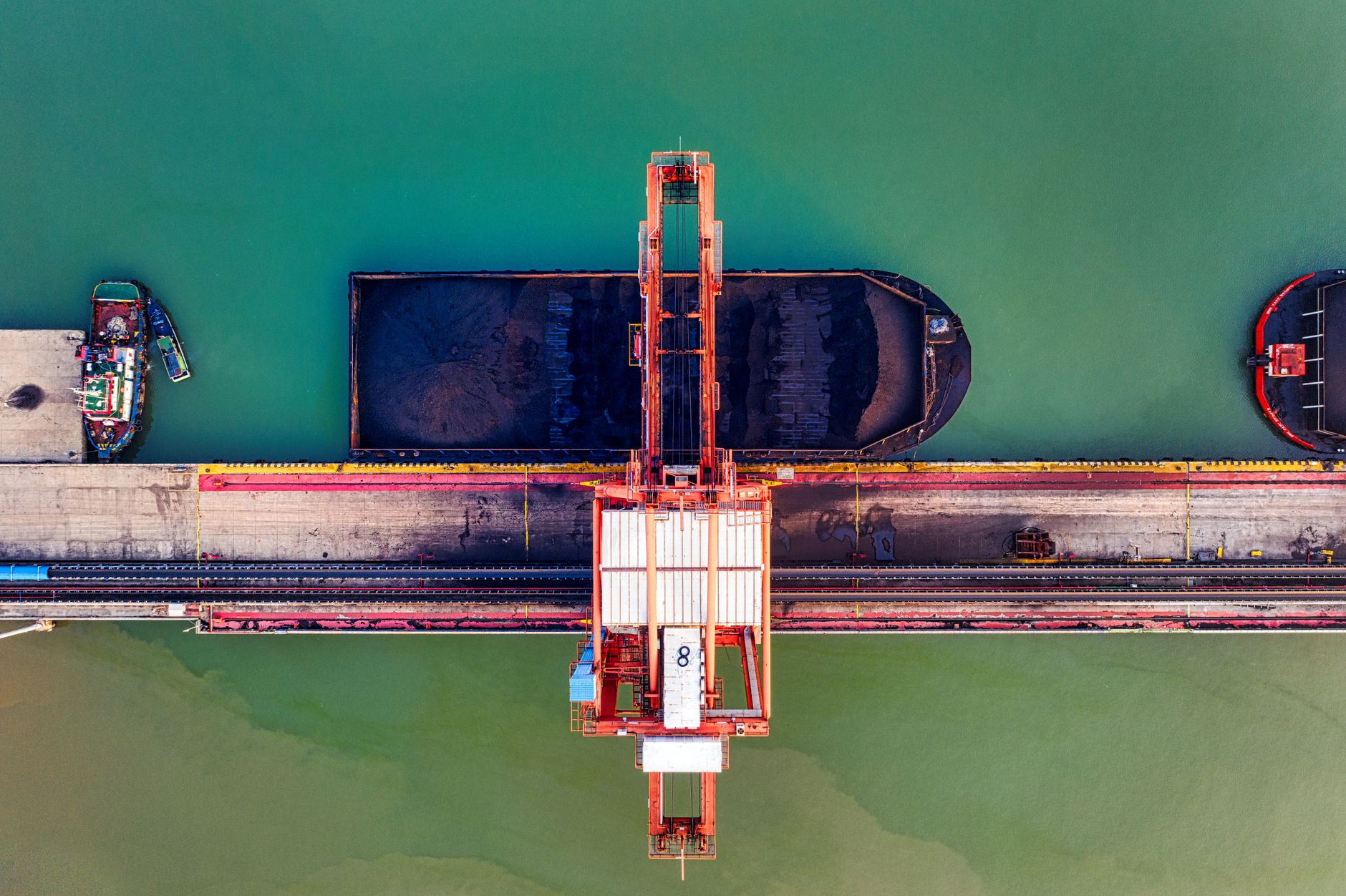
On the trading floor, the same evidence looks very different. Commodity merchants do not just intermediate price. They negotiate offtake, advance cash, arrange barges and cranes, manage documents and absorb counterparty risk for producers that cannot always do those jobs themselves. Analysts quoted by The Business Times and CNA have been clear that the margin Jakarta wants to capture is entangled with services the state will have to replicate if it wants to avoid freezing shipments or squeezing producers’ cash flow.
Prabowo has framed the policy as a direct challenge to the idea that global traders should keep setting the terms.
“I tell my cabinet, formulate prices for nickel, gold. Every price must be determined by us.”
— Prabowo Subianto, as quoted by Bloomberg Markets
Why Jakarta wants the trade
For Jakarta, the attraction is obvious. Prabowo has said Indonesia is leaking $150 billion of commodity revenue a year, and put the cumulative loss over 34 years at $908 billion, according to Reuters’ report. Even if those numbers prove aspirational rather than auditable, they capture a real political argument: a country that dominates supply in several raw materials should not stop monetising its advantage at the mine gate or plantation fence when the next layer of the value chain, trade finance, logistics coordination and price discovery, remains in foreign hands.
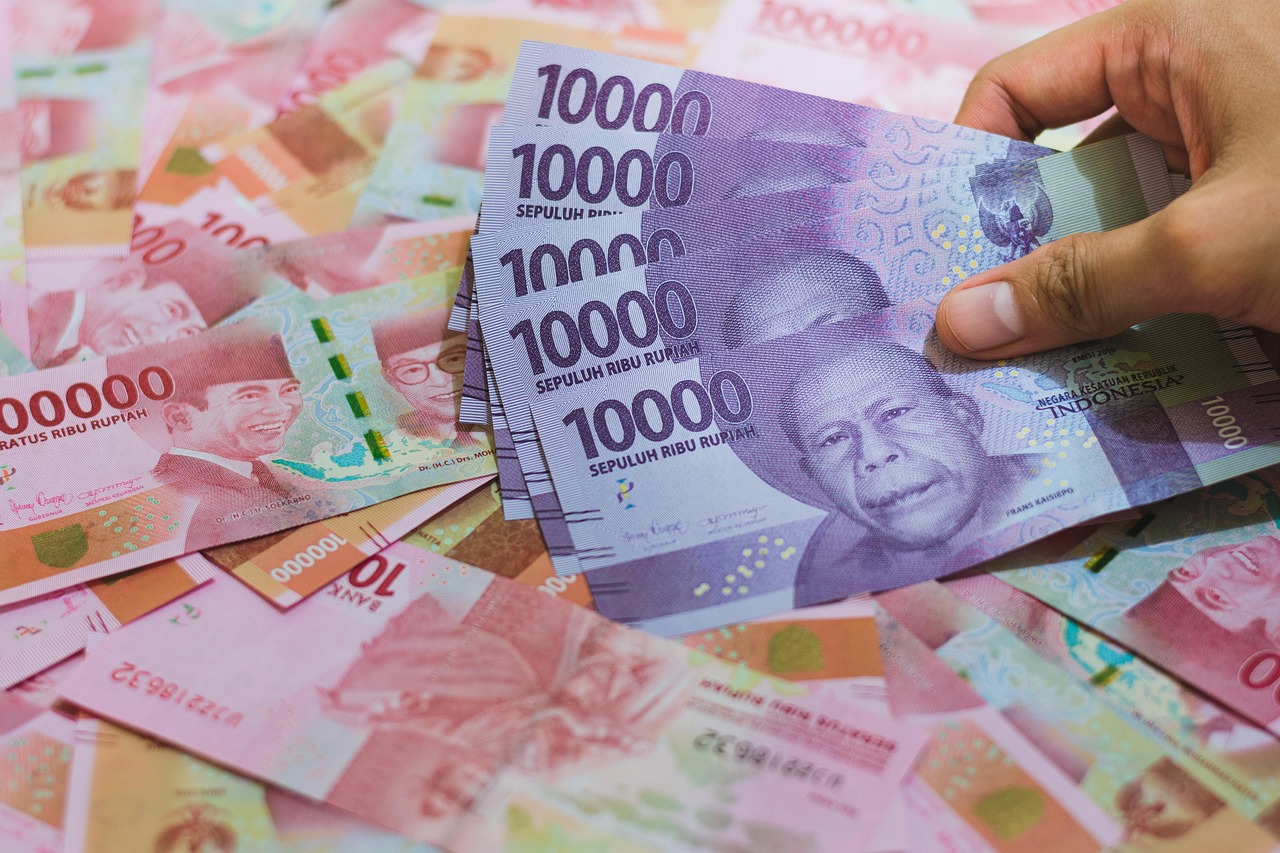
The case is also hard to separate from the rupiah. Reuters said the June 1 rule requiring 100 per cent of natural-resource export earnings to be parked in state-owned banks is meant to strengthen foreign-exchange reserves and improve supervision. So the export body is more than a nationalist pricing gambit. Keeping commodity dollars inside the domestic banking system for longer would give policymakers tighter control over liquidity and, in theory, a little more defence when the currency comes under pressure.
The market question is whether that added control survives contact with the mechanics of trade. An export system can capture more value for the state if it reduces under-invoicing, standardises contracts and uses scale to bargain harder with buyers. It can also destroy value if it inserts delays, widens spreads or makes buyers demand a discount for new counterparty risk. The answer to the analyst’s question, can a state export body improve realised prices without worsening execution, is therefore only partial for now: perhaps, but only if Jakarta centralises the economics without choking off the private operational layer that made the flows work in the first place.
No neat state-controlled supply chain exists here. Instead, Indonesia faces a sprawling network of mines, plantations, transport links and exporters that has grown up around traders willing to step into gaps the formal banking system or the state sometimes left open. A policy designed to pull margin back from merchants can succeed in the aggregate and still create stress points at the edge, which is often where commodity systems fail first.
What traders actually do
The hardest part of Prabowo’s plan is not setting up a new entity. It is replacing the unglamorous functions traders already perform. Bloomberg reported that Indonesia supplies about 600 million tons of coal a year, with roughly half controlled by the top six miners. That still leaves a long tail of smaller operators whose shipments depend on someone else’s balance sheet, paperwork capacity or shipping relationships. For those producers, the merchant is not merely a middleman taking an easy cut. It is often the working-capital bridge between extraction and payment.

Smaller miners and palm-oil producers may feel the change first. The Straits Times reported that businesses and investors are already worried about how the overhaul could change payment timing, compliance burdens and counterparties. If the state body cannot replicate trader credit lines quickly, smaller miners and palm-oil producers could find themselves more exposed to delayed cash conversion even if the headline promise is higher national revenue.
Jakarta-based political analyst Kevin O’Rourke put the execution problem more bluntly in Bloomberg’s reporting.
“It’s going to be a real uphill battle.”
— Kevin O’Rourke, Reformasi Information Services, as quoted by Bloomberg Markets
Analysts read that caution the same way. The margin Indonesia wants is not a single pool of excess profit waiting to be swept up by decree. Some of it may reflect opaque pricing and bargaining asymmetry. Some of it pays for financing, transport coordination and risk management. A state body can claw back the first bucket more easily than the second. Markets are therefore likely to judge the policy less on the rhetoric of sovereignty than on whether cargo keeps moving, contracts stay bankable and buyers do not respond by marking up execution risk.
Putra Adhiguna, an energy analyst cited by Bloomberg, pointed to exactly that transitional strain.
“It’s definitely going to be a bumpy road for everyone.”
— Putra Adhiguna, as quoted by Bloomberg Markets
A more pragmatic version of the plan would look less like the state replacing traders outright and more like the state inserting itself at the highest-value points: standard-setting, export approval, FX capture, and perhaps benchmark-linked pricing. That would let Jakarta extract more rent without instantly asking a new bureaucracy to become a commodity merchant, banker, shipping coordinator and risk desk all at once.
The nickel playbook reaches the trading desk
The broader significance is that Indonesia appears to be extending a familiar resource-nationalism strategy into a new layer of the market. The country has already shown, particularly in nickel, that it is willing to tolerate investor irritation and price volatility if policymakers think tighter control will create more domestic value. Bloomberg reported this month that nickel prices jumped after reports of Indonesian production cuts, a reminder that the country’s policy choices can already move global metals markets before any formal trading overhaul is complete.
What is new here is the target. Earlier waves of Indonesian resource policy were mainly about who could process commodities, where smelters were built and how much raw material could leave the country. This push goes after the layer global merchants have historically dominated: the contractual, financing and logistical architecture that connects supply to end-buyers. In that sense, the state’s message is not simply that Indonesia wants more factories. It is that Indonesia wants more of the merchant’s economics.
The ambition may yet prove narrower than it sounds in speeches. Danantara chief investment officer Pandu Sjahrir said in Bloomberg’s follow-up report that the new body is listening closely to the market. That suggests Jakarta recognises the distinction between political intent and commercial plumbing. A system that frightens off buyers or gums up paperwork would weaken the very export machine it is trying to monetise better.
Global traders are less likely to read the move as an attempt to abolish the market than as a bid to renegotiate where the market’s rewards sit. For producers, especially smaller ones, the live question is who carries them through that renegotiation. For policymakers, the test is whether stronger state control over export flows can coexist with enough private-sector flexibility to keep financing and logistics intact.
Taken together, the move looks less like a one-off nationalist burst than a structural bid to move commodity power upstream. Indonesia is betting that being a dominant producer should buy it more than volume and tax receipts. It should also buy influence over pricing, control over export dollars and a larger share of the spread global traders have long treated as their own. The bet may be strategically coherent. The real risk is that the trading margin Jakarta wants to capture turns out to be smaller, and operationally busier, than the politics suggests.
Reza Najjar
Commodities desk covering oil, natural gas, gold and base metals. Reports from London.