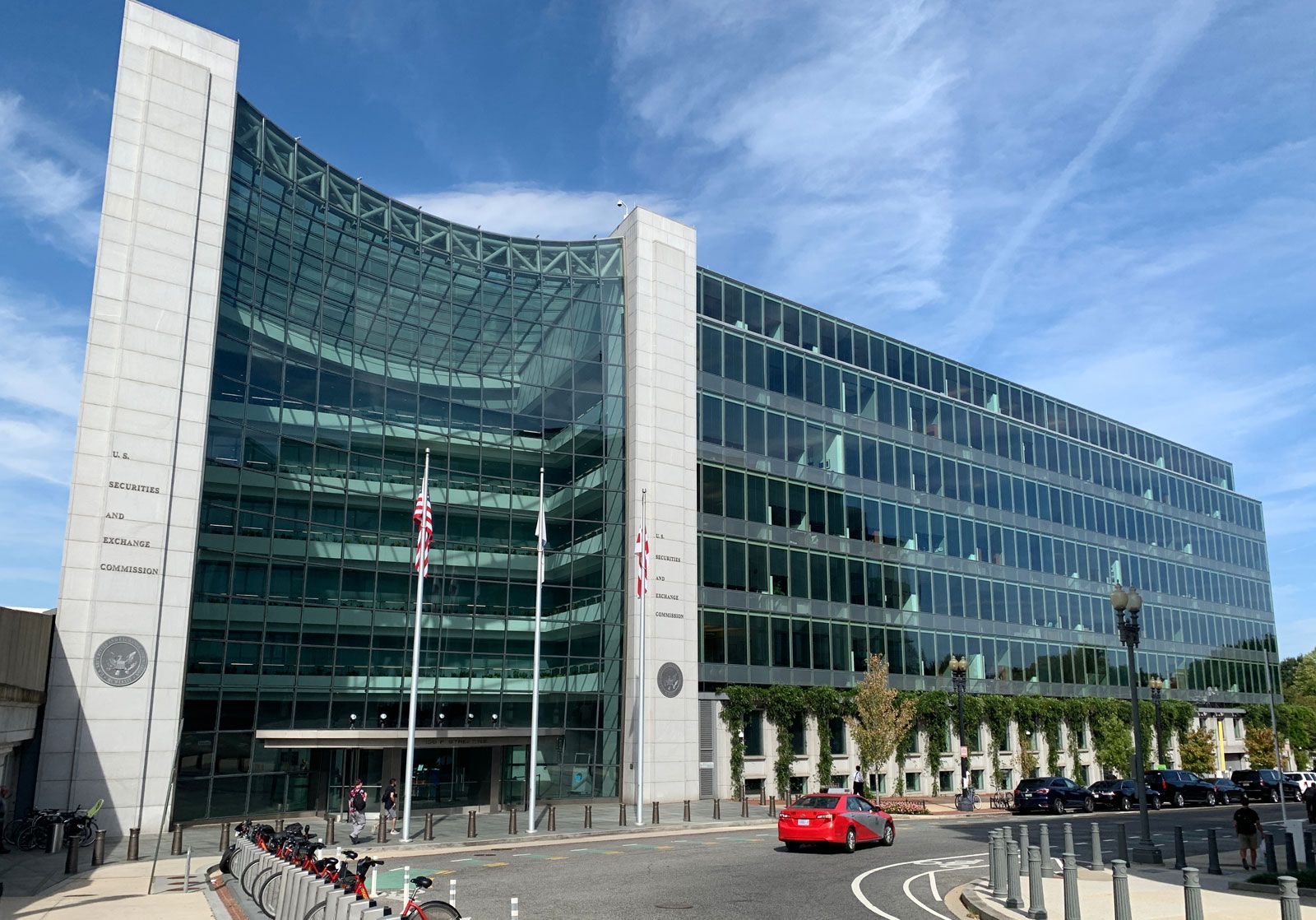
SEC filer-status overhaul aims to widen IPO funnel
SEC filer-status overhaul would let more issuers keep lighter disclosure treatment, a shift the agency says could lower public-market costs.
The Securities and Exchange Commission has proposed loosening the rules that decide when public companies move into heavier reporting tiers, part of a broader push by Chairman Paul S. Atkins to make life as a listed company less expensive. The practical bet is that if more issuers can keep scaled disclosure for longer, the jump from IPO to life as a mature public company looks less abrupt.
Under the proposal, companies would not become large accelerated filers until their public float reached $2 billion, up from $700 million, and they had been public for at least 60 months. The SEC said about 81 per cent of current public companies would qualify for scaled disclosure under the wider rewrite. In a statement, Atkins said the two rulemakings were early pieces of his capital-formation agenda.
“Today, the Commission proposed two rulemakings that serve as the foundation for my agenda to Make IPOs Great Again.”
Paul S. Atkins, SEC chairman.
Filer status determines how quickly a company must file periodic reports and how much scaled disclosure it can keep as it grows. That matters because a newly public company can see its float rise quickly without having the staff or systems of a seasoned large-cap issuer. The SEC is effectively saying that market value alone should not move a company into the most demanding bucket before it has spent time in the public market.
A Ropes & Gray analysis said the proposal would replace the current framework with a more graduated two-tier approach. One concrete change is a new small non-accelerated filer category for companies with less than $35 million in assets. Those issuers would have 120 days to file Form 10-K and 50 days to file Form 10-Q, according to the firm’s summary of the proposal.
That extra time is more than an administrative tweak. It gives the smallest listed companies some recognition that reporting costs fall differently on a thinly staffed issuer than on a larger public company. For bankers, lawyers and finance chiefs advising IPO candidates, that distinction matters because compliance expense is part of the calculation before any company decides to list.
The SEC press release paired the filer-status changes with a separate registered-offering proposal, a sign the agency is looking at the full route from IPO to follow-on capital raising. A National Law Review analysis said more companies could remain eligible for lighter disclosure even after growing past earlier cutoffs. If the ongoing cost of being public comes down, even modestly, some smaller issuers may judge that public-market access carries fewer penalties after listing.
The proposal also rests on a simple view of how companies mature. A rising share price can push float higher in months; building the reporting systems, internal controls and outside-adviser budget of a large-cap company usually takes longer.
Atkins said the rulemakings were among the first steps in reshaping the SEC’s public-company framework. The policy aim is plain enough: keep investor-protection rules in place while making disclosure obligations track a company’s size, age and resources more closely. For the IPO market, the test is whether that lighter burden makes staying public look more manageable for companies that might otherwise wait, or stay private longer.
Tomás Iglesias
Financial regulation and legal affairs. SEC, CFTC, FCA, market-structure and enforcement. Reports from Washington.