UK food price caps test inflation policy as costs rise
UK food price caps are the Treasury's answer to rising grocery inflation, but any relief would shift the bill through margins, rules or later prices.
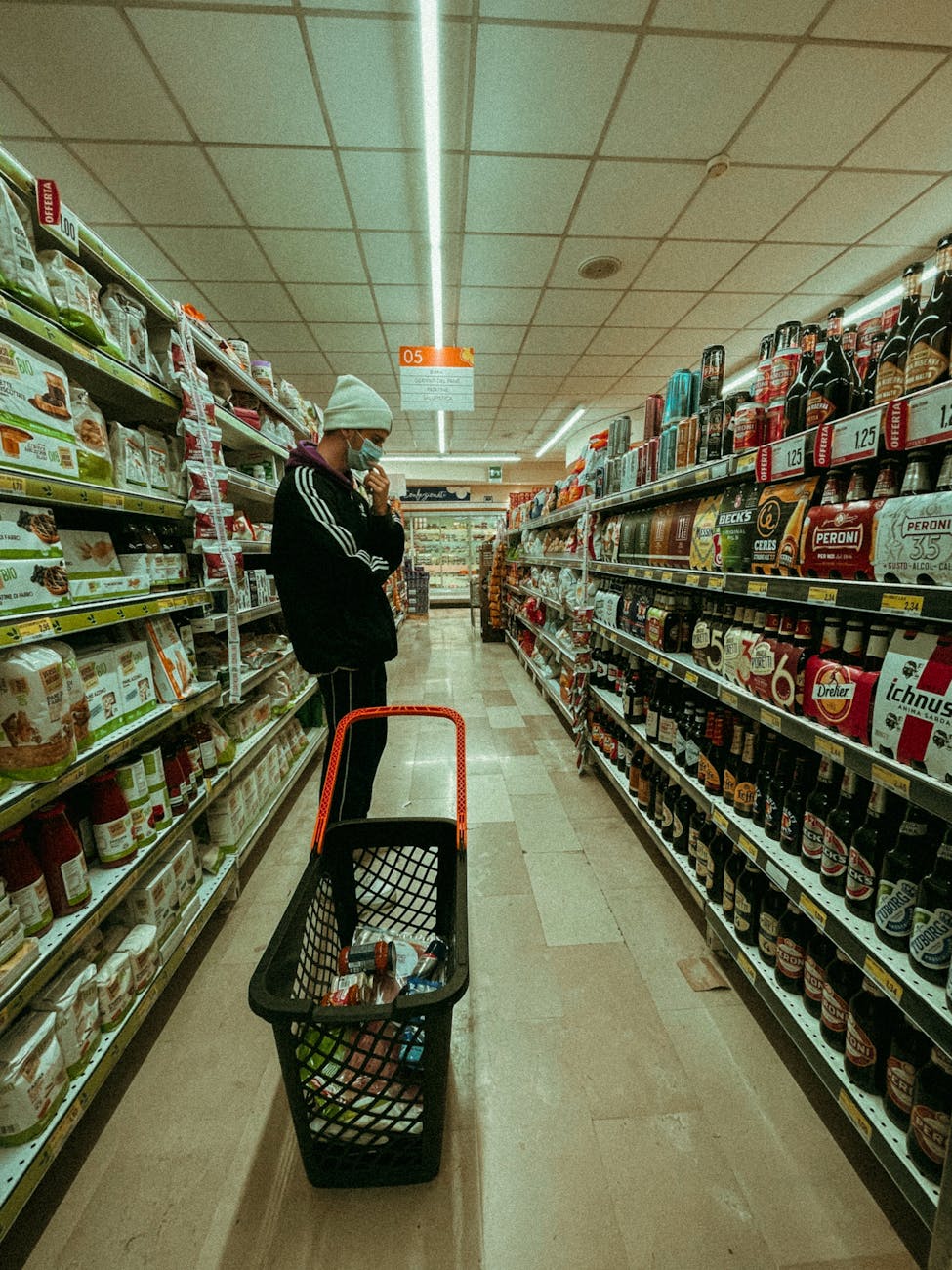
Britain’s experiment with voluntary food price caps from the UK Treasury puts a very specific tool into the inflation debate. Ministers are no longer talking only about prices in the aggregate. They are trying to influence what shoppers pay for bread, milk and eggs. The proposal, first reported by the Financial Times and then detailed by the BBC and Reuters, has surfaced just as food prices are again starting to outrun the headline rate.
Timing explains the politics. BBC reporting put annual food-price inflation at 3.0 per cent in April, against 2.8 per cent for overall UK inflation. Reuters reported grocery inflation at 3.8 per cent in the four weeks to April 19 and said Bank of England contacts expected food inflation to reach 6 per cent to 7 per cent later this year. Industry warnings cited by the BBC ran nearer 10 per cent by year-end. What began as a Middle East energy shock in crude, freight and bond markets is now landing in one of the most politically exposed parts of the household basket.
At the till, those figures point to a different argument. Retail executives and grocery analysts say capping a narrow list of staples would not erase higher costs. It would decide who absorbs them. The Investors’ Chronicle read the dispute as a reminder of how thin British grocery margins already are. If staples are held down, somebody else in the chain takes the squeeze.
Dan Tomlinson told the BBC that the government was looking “across the board” at what more it could do on living costs, including steps industry could take.
“It’s right that the government looks across the board at what more we can do - both government levers but also talking to industry about the steps that they can take to support people with the cost of living.”
Dan Tomlinson, UK Treasury secretary, via BBC News
For ministers, that line is easy to defend. It shows visible action on prices households notice every week. For economists, the case is thinner. Britain risks drifting into ad hoc market intervention just as the Bank of England is trying to keep inflation expectations anchored.
Who would absorb the next round of costs
Grocers’ objection is straightforward: many staples already work as near-break-even traffic drivers, so a voluntary cap would not create much genuine relief. In the BBC’s account, bread, milk and eggs often already carry little margin, while the proposed trade-off involved lighter packaging and healthy-food rules rather than any real removal of imported cost pressure.

Stuart Machin called the idea “completely preposterous”. The phrase landed because it captured the industry’s complaint that ministers were treating thin supermarket margins as if they were optional.
“completely preposterous”
Stuart Machin, Marks & Spencer chief executive, via BBC News
A similar point comes from analysts. The Investors’ Chronicle argued that the episode says more about how little room grocers have left than about any hidden reserve of pricing power. Push every large chain toward the same cheap basket and the result is unlikely to be free food. More likely, it is cross-subsidy. Retailers can squeeze suppliers, trim spending elsewhere or recover the money through lines that attract less scrutiny.
Competition policy weakens the case further. The Competition and Markets Authority’s grocery review found no evidence that supermarkets had been artificially inflating prices during the earlier food-price surge. Households can still feel squeezed without supermarkets being the source of the squeeze. Upstream costs, taxes, energy and logistics remain the more plausible transmission channel. Caps may hide that signal briefly, but they do not remove it.
Why food policy and inflation policy are starting to merge
More revealing than the cap itself is the bargain attached to it. The Financial Times reported that officials discussed voluntary caps in exchange for lighter regulation in areas such as packaging and healthy-food rules. The Guardian reported that retailers saw the plan as unjustified given higher taxes, fuel and energy bills. Ministers are no longer treating inflation management and domestic product rules as separate lanes. One is becoming a bargaining chip for the other.

Viewed that way, this is more than a grocery story. It links into the wider cost-of-living package, including measures reported by the Guardian, and into the official message that inflation has fallen to 2.8 per cent but is expected to rise from here. Britain is not imposing rationing. Even so, the instinct is familiar: when imported shocks reach everyday essentials, governments reach first for visible levers and only later for cleaner market signals.
The Bank of England hears a different risk. Reuters reported that governor Andrew Bailey warned against “artificially moving prices relative to costs”. That is the concise case against this sort of fix. One sticker price can be held down, but only by blurring the cost signal policy makers are supposed to read.
“you’re sort of artificially moving prices relative to costs, and that’s not a sustainable thing in the long run”
Andrew Bailey, Bank of England governor, via Reuters
In that sense, Bailey’s warning goes straight to the weak point in the proposal. If the CMA has already found little evidence of grocery profiteering, what is a voluntary cap supposed to solve? Mostly a political problem. Ministers get to lean on a concentrated, visible industry just as voters are being told another food inflation wave may be coming. The BBC’s reporting on Scotland suggests the instinct is broader than one Treasury experiment.
What markets should watch next
For markets, the question is less whether a loaf or carton of milk can be kept cheap for a quarter than what this says about the policy mix behind the attempt. Are governments starting to manage the next inflation shock sector by sector as well as through interest rates? Once food pricing sits in the same conversation as energy, packaging rules and cost-of-living relief, inflation policy starts to look less like a clean central-bank problem and more like a negotiation across the supply chain.
If Reuters is right about Bank of England contacts bracing for 6 per cent to 7 per cent food inflation later this year, and if the BBC is right that some industry figures see the risk nearer 10 per cent, voluntary caps will not settle the bigger question. They may soften a price on the shelf for a while. They may also muddy the signal on retailer margins, supplier pricing and the durability of the next inflation pulse.
Beyond bread, milk and eggs, the argument matters because it shows how quickly war-driven price shocks can migrate from oil and gilts into grocery politics. Britain is testing how far a government can push moral pressure and competition rhetoric before it runs into cost arithmetic. The likely result is less a durable anti-inflation tool than an admission that ministers are now willing to fuse food policy with inflation management in order to show visible action.
Helena Brandt
Macro reporter covering the Federal Reserve, ECB, inflation prints and jobs data. Reports from Washington.