UK borrowing and retail sales tell the same energy story
UK borrowing and retail sales flashed the same April warning: £24.3bn of borrowing and a 1.3 per cent sales fall as fuel costs bit.
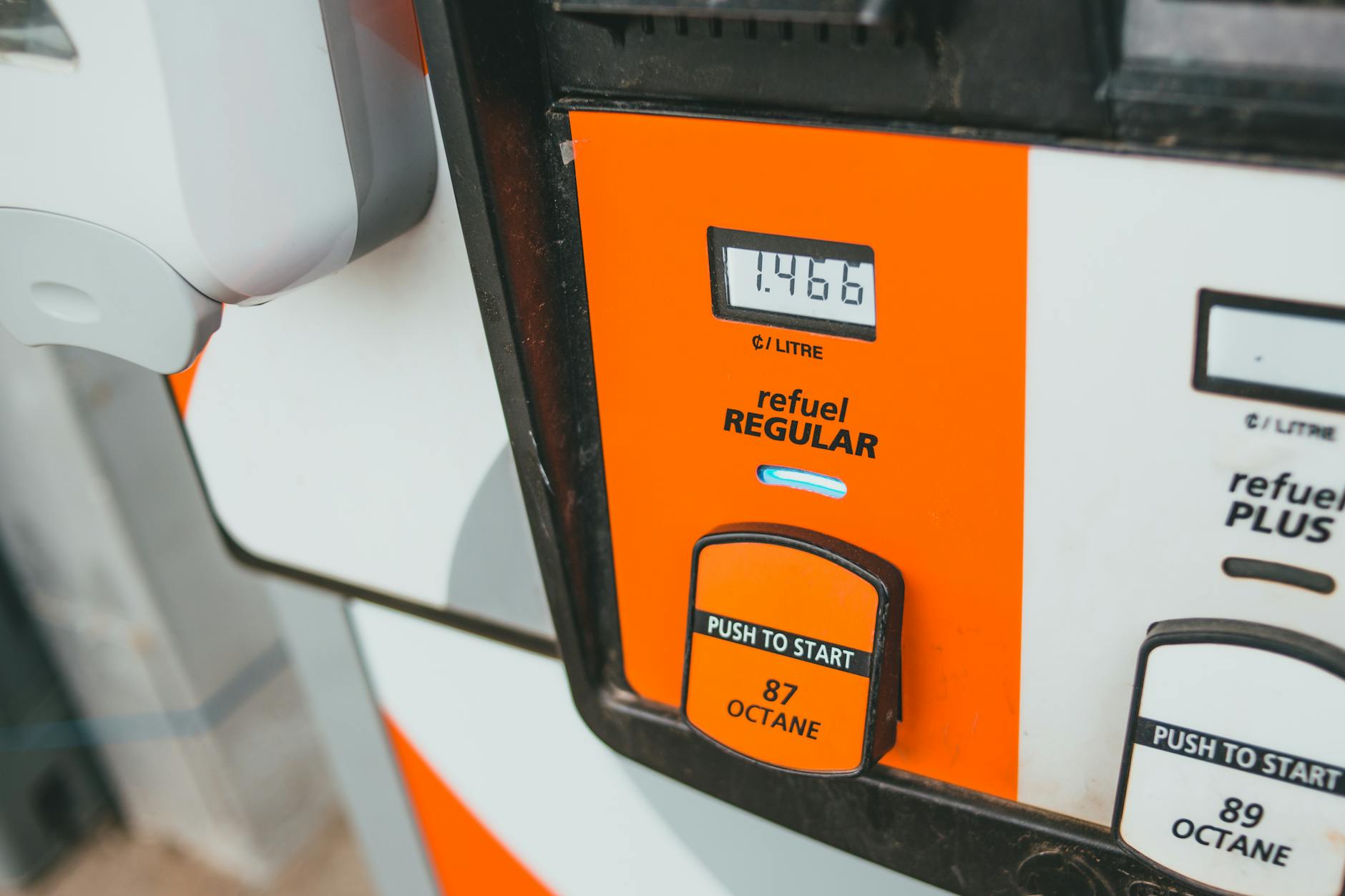
Britain borrowed more than expected in April and shoppers bought less, a combination that offered one of the clearest early reads yet on how the latest energy-cost shock is moving through the economy. Public-sector net borrowing came in at £24.3bn, above the Office for Budget Responsibility’s £20.9bn forecast for the month, while retail sales volumes fell 1.3 per cent as motorists cut back sharply on fuel purchases.
That pairing matters more than either release does on its own. Households are starting with the most adjustable part of the budget, fewer trips, smaller non-essential baskets and less fuel, while the state is already absorbing the other side of the same squeeze through higher debt-interest costs, benefits spending and softer revenue growth. For a market focused on whether Britain is heading for a second inflation pulse without much growth, Thursday’s data landed uncomfortably close to that script.
But the same numbers point to a more complicated policy debate than a simple inflation scare. For the Bank of England, weaker spending and a softer labour market argue against another rate increase; for macro analysts, the risk is that energy-led inflation keeps rate cuts on ice for longer and erodes what little fiscal room the Treasury thought it had. The question is no longer whether the shock is visible. It is where it bites first.
The public-finance print showed why that tension is building. Debt-interest payments alone were £10.3bn in April, and ONS chief economist Grant Fitzner said higher tax receipts were more than offset by higher spending on benefits and other costs. That matters because April is the first month of the fiscal year, the point at which markets start testing whether the government’s Budget assumptions still look credible or already need revising.
Two other data points from this week sharpen the picture. UK inflation eased to 2.8 per cent in April, giving consumers a brief respite, but the Bank’s April Monetary Policy Report had already warned that higher energy prices linked to the Iran conflict could lift headline inflation again. Earlier in the week, unemployment unexpectedly rose to 5 per cent, another reminder that the economy is not entering this shock with much spare momentum.
Seen together, those releases make April look less like a one-month wobble and more like a transfer mechanism. Higher imported energy costs are moving first into household caution, then into public borrowing and, if the shock lasts, into the Bank’s timing problem. The retail and borrowing data are therefore telling the same story from opposite ends of the economy.
The squeeze is showing up in spending
If the borrowing release showed the state taking strain, the retail report showed households adjusting in real time. The ONS said fuel volumes dropped 10.2 per cent in April, by far the weakest component in the monthly report, after March had been flattered by stock-ups at the pump. Food-store sales also fell, and the British Retail Consortium’s own survey suggested consumers were already stepping back from non-essential purchases as cost pressures rose.

That is a narrower and more telling pattern than a straight collapse in demand. Consumers are not yet shutting the wallet across the board; they are cutting the categories most exposed to travel, energy and impulse spending first. That lines up with Barclays card data showing overall spending slipping after a long run of growth, and with PwC’s consumer-sentiment survey, which found households becoming more defensive about the months ahead.
Retailers have their own reason to care about that split. Lower volumes in fuel and discretionary lines hit at the same moment that operating costs remain high, leaving stores squeezed on both traffic and margins. The British Retail Consortium has argued that energy bills and policy-related cost increases are colliding with a weaker consumer backdrop, a mix that usually shows up in promotions and thinner profitability before it shows up in outright closures.
The British Retail Consortium has been blunt that the pressure is spreading beyond petrol forecourts. In its latest update, the group said ministers needed to move quickly to limit the effect of higher living costs on consumers and retailers alike.
“Ministers must act now to curb the impact on consumers from soaring costs.”
— Helen Dickinson, chief executive, British Retail Consortium
That warning is not just lobbying rhetoric. It helps answer the key question from the household side of the story: is Britain seeing an indiscriminate demand slump, or a selective retreat? So far the evidence points to the latter. The first reaction to the shock has been triage. Drivers are conserving fuel, families are trimming optional purchases and retailers are beginning to talk more about volumes than pricing power.
“motorists were ‘conserving fuel after stocking up in March’”
— Office for National Statistics, April retail sales bulletin
That is not good news for growth, but it is different from a full stop in consumption. A selective slowdown leaves room for spending to stabilise if energy prices settle back. It also means the Bank of England can read the consumer picture as weakness in demand rather than proof that inflation expectations are spiralling.
Why the Bank and Treasury both care
For policymakers, then, the more useful reading of Thursday’s releases is that Britain has a hold-not-hike problem. The Bank’s policy guidance and minutes still lean against second-round inflation effects, but the growth side of the ledger is deteriorating at the same time. That makes an immediate return to rate rises look unlikely unless wage or services inflation re-accelerates sharply. It also makes an early rate cut harder to justify.

For the Treasury, the problem is more direct. The OBR’s March outlook already assumed a tight path for borrowing and only limited room against the government’s fiscal rules. A higher April starting point does not by itself break that path, but it makes the margin thinner, especially if weaker consumption starts feeding through into VAT receipts while higher prices push up welfare spending and debt servicing.
A Guardian analysis of this week’s gilt sell-off described the move as fear of a stagflationary shock. Thursday’s data did not prove that case, but they did give it structure. The consumer side of the economy is softening at the same time that the fiscal side is becoming more expensive to run. That is exactly the mix that makes bond investors less patient with official forecasts.
That is why NIESR argued in its spring outlook that a new energy shock would expose old vulnerabilities rather than create a wholly new crisis. Britain still imports a large share of its inflation story. When energy prices rise, households feel it quickly, the central bank has less freedom to ease and the fiscal position can worsen even before a broader recession appears in the data.
“higher tax receipts were ‘more than offset by higher spending on benefits and other costs’”
— Grant Fitzner, chief economist, Office for National Statistics
Markets do not need a dramatic breakdown to reprice that mix. They only need to see enough evidence that weak activity and stubborn price pressure are arriving together. April’s borrowing and retail-sales figures were modest in isolation. Taken together, they looked like the opening entries in the same ledger: households pulling back first, the state paying more next, and the Bank of England left waiting to see whether the shock fades before it can resume cutting rates.
Helena Brandt
Macro reporter covering the Federal Reserve, ECB, inflation prints and jobs data. Reports from Washington.