Goldman doubles down on 2026 warning for US stocks
Goldman Sachs says the 2026 stock rally can keep running, but thinner breadth, richer valuations and extreme risk appetite leave less room for error.
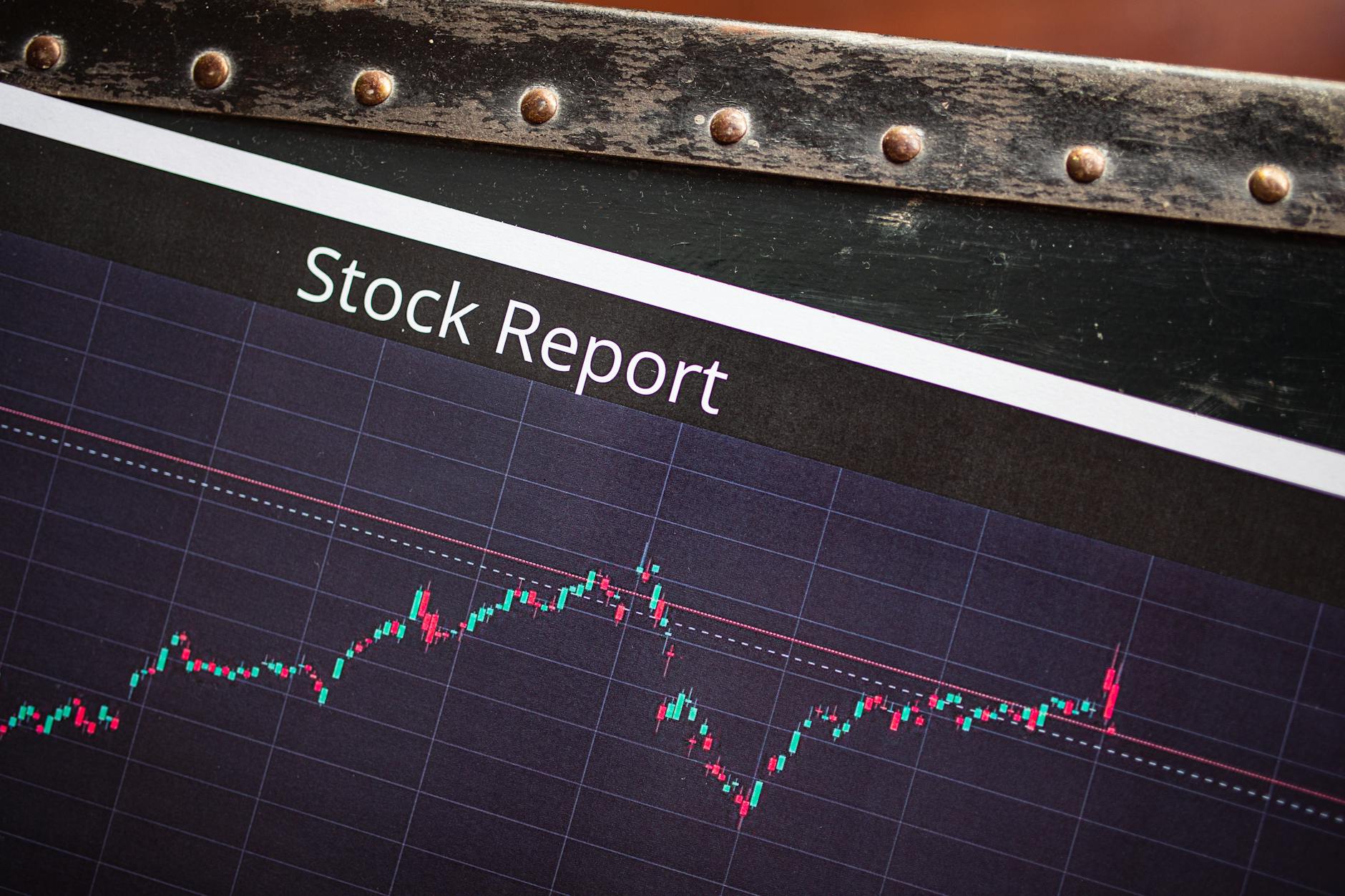
Goldman Sachs still expects US equities to climb in 2026. What has changed is the emphasis. The bank’s latest read is that the rally is getting harder to trust: the same forces driving stocks upward — AI enthusiasm, rich multiples, a steady bid for risk — are also what make the setup fragile. In a market that has spent the year printing records, that amounts to more than boilerplate caution.
It is a different tone from a bank that still has upside targets on the board, and a more realistic way to read a mature bull run. Late rallies often look strongest right before they turn selective.
Goldman ties its caution to numbers, not mood. TheStreet’s summary of the bank’s latest note put the Risk Appetite Indicator at 1.1 this week, a reading in the 99th percentile of all observations since 1991. The bank found only eight comparable episodes. Three were followed by a bear market within two years. Even when the S&P 500 kept climbing, the payoff thinned: average returns from those setups were 2.4 per cent after one month, 1.9 per cent after three months, 4.1 per cent after six months and 6.8 per cent after 12 months. Extreme optimism has historically coexisted with further gains. It has also flattened the reward curve.
Snider’s view explains why Goldman frames this as a market-structure problem. Ben Snider, Goldman’s chief US equity strategist, still expects the S&P 500 to rally 12 per cent this year while conceding that “elevated multiples are hard to ignore”. The tension between those two statements is the analytical point. Valuations may not break the market immediately, but they change the terms of the bet. Pay more for the same dollar of future earnings and softer capex, a guidance reset or a modest shift in rate expectations cuts deeper than it would earlier in the cycle.
Peter Oppenheimer, Goldman’s chief global equity strategist, pushes the argument further. He wrote that “It would be unusual to see a significant equity setback… even from elevated valuations”, but the qualifier matters. Valuation alone rarely ends a bull market. A macro shock usually does. Goldman’s own 12-month US recession probability, cited by TheStreet, is 25 per cent — enough to justify hedges, nowhere near a base case for imminent contraction. The bank’s narrower and more useful message: the market may keep rising, but the distribution of outcomes is growing less forgiving.
Reuters reported on Jan. 28 that the S&P 500 crossed 7,000 for the first time on a wave of AI optimism. The move taught investors a simple lesson: stay concentrated, ignore valuation anxiety and let momentum work. Goldman is pushing against that lesson. Its strategists argue a market can stay strong while deteriorating under the surface.
What Goldman sees
Breadth is where the warning sharpens. Reuters reported earlier in January that S&P 500 leadership was beginning to broaden beyond technology. Normally that reads as a straightforward positive for the bull case. Goldman is questioning whether breadth is widening fast enough to justify the confidence already priced into index multiples. If the rally still depends on a small group of AI-linked winners to do most of the lifting, a record-high benchmark can hide a thinner foundation than the headline number suggests.
A benchmark led by a handful of names can keep flattering passive exposure. Every disappointment in those leaders then feels larger than it is.
A broader tape helps but does not fully solve the problem if investors are still paying peak prices for the same story. Strong breadth makes a rally sturdier. It does not make expensive leadership cheap.
The warning also strikes at the AI narrative. In the same Goldman note, Snider said that the AI trade in 2026 is likely to be defined by a deceleration in investment spending growth. The AI boom is not over, but the market may be shifting from an early phase where spending itself lifts sentiment to a harder phase where investors ask which companies are converting that spending into revenue and margins. Once that transition starts, the benchmark can keep advancing while leadership narrows further. The index rises. Fewer names do the rising.
Hedges fit that interpretation better than the headline target. Goldman has pointed clients toward put spread collars, a strategy that gives up some upside in exchange for cheaper downside protection. That is a skew trade, not a bunker trade. It is what a bank recommends when the base case still works but the downside is getting more expensive relative to the upside.
The call reads more like a warning on market plumbing than a forecast. Goldman is saying the same index level can conceal a very different quality of return.
History keeps the bank’s caution from sounding theatrical. The comparable periods in the TheStreet summary still produced positive average returns over every horizon Goldman tracked. Nobody at Goldman is calling an outright top. What changes at the 99th percentile of risk appetite is how easy it is to make money. Investors accept thinner forward returns, more concentration risk and less tolerance for earnings misses.
For investors, that leaves an awkward but plausible middle ground. Goldman is constructive enough to avoid calling a bear market and cautious enough to warn that the rally’s strongest drivers may already be fully priced. If breadth improves materially, the warning looks early. If AI spending growth slows and leadership narrows again, the bank’s message reads less like hedging and more like an accurate description of how late-cycle equity rallies usually behave.
Sloane Carrington
Markets columnist. Analytical pieces and deep-dives on monetary policy, capital flows and corporate strategy. Reports from New York.