Bond market signals inflation, rates and risk appetite in 2026
A jump in Treasury yields is telling investors that inflation risks, real rates and the Fed path still matter more than hopes for quick cuts in 2026.
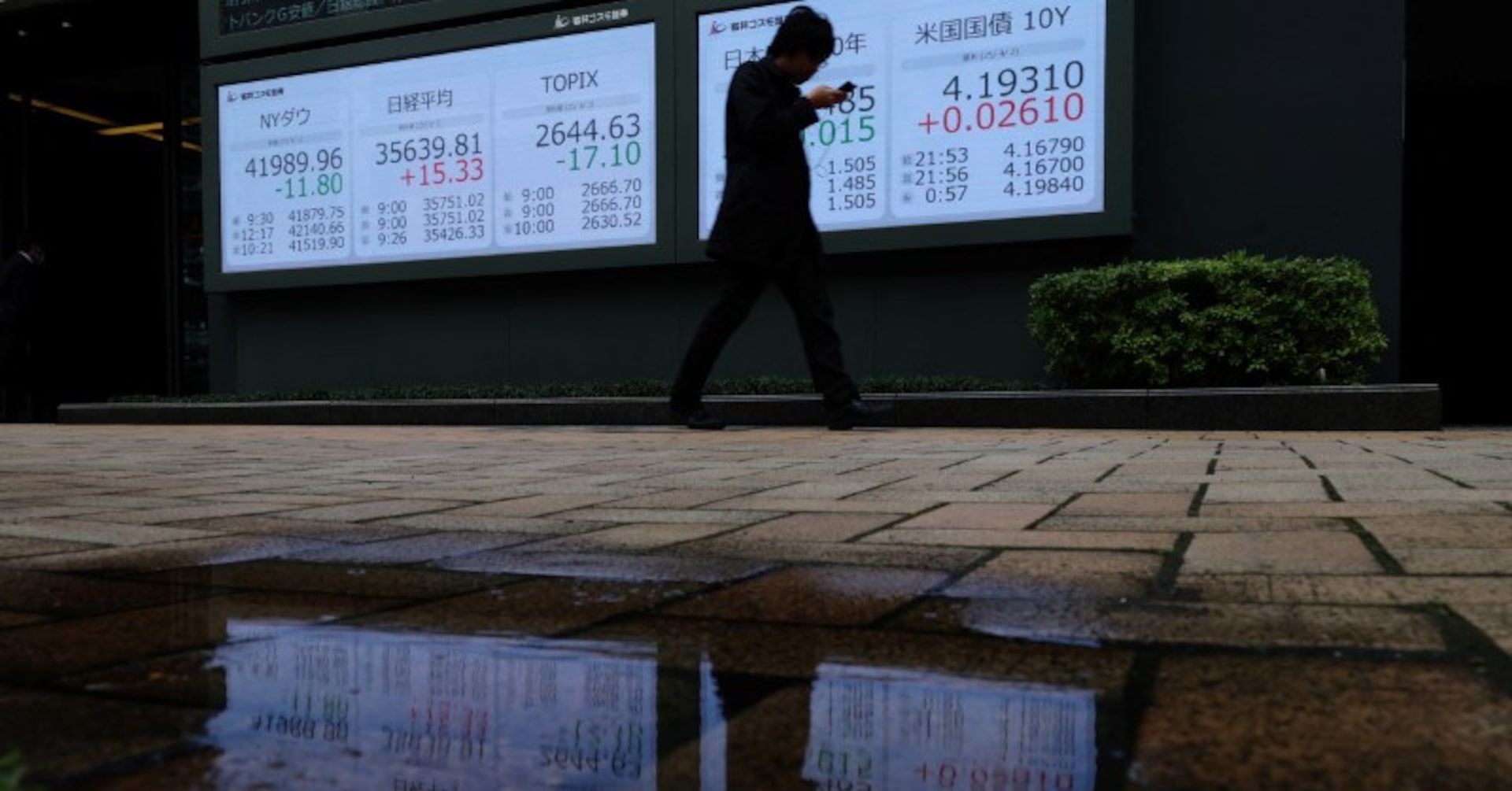
The US 10-year Treasury yield hit a one-year high on Thursday as a global bond selloff handed investors a blunt answer to the question that has shadowed markets all year: what are bonds saying about inflation in 2026? Reuters reported that buyers are demanding steeper returns to hold longer-dated government debt, with higher oil prices, sticky inflation and fading bets on Federal Reserve rate cuts all pushing in the same direction. Brent crude rose more than 4 per cent to above $109 a barrel. The 30-year Treasury auction cleared at the highest yield since 2007.
The bond market prices money across time. When Treasury yields rise, the government pays more to borrow. Companies face a higher benchmark for issuing debt, and equity investors discount future profits more aggressively. Marketplace noted that yields act as a running poll on where traders think inflation and short-term interest rates are heading.
Split a nominal Treasury yield and you get two components: expected inflation and the real yield — the return investors earn after stripping out price rises. That real yield is visible in Treasury Inflation-Protected Securities, or TIPS, whose principal adjusts with the consumer-price index. Reuters reported the US 10-year real yield at 2.083 per cent, its highest since March 27. Financial conditions can tighten even when the Fed has not moved that day; the real yield does the tightening.
Survey data and market prices do not always tell the same story at the same speed. The New York Fed’s April survey showed one-year inflation expectations at 3.6 per cent, up from March, while the three-year and five-year readings stood at 3.1 per cent and 3.0 per cent. The Cleveland Fed’s inflation expectations gauges derive their numbers from market pricing rather than household responses. Short-term worries can flare with oil, tariffs or supply shocks. Longer-term views tend to stay steadier — investors still grant the central bank credibility on containing the damage over a multi-year horizon.
A rise in long-term yields can reflect more than the next inflation print. It can signal that investors want insurance against policy missteps or against a heavier supply of government debt. The market may believe the Fed can stop inflation from accelerating while still doubting that borrowing costs will fall quickly. Ten-year yields can stay elevated even when five-year inflation expectations look more contained.
Now listen to the market’s speakers. Padhraic Garvey, head of global rates and debt strategy at ING in New York, told Reuters that rising real yields signal an economy where the Fed is not close to cutting rates. Chris Low, chief economist at FHN Financial, made the same point in the Marketplace interview: traders now see the Fed on hold at least through this year, and perhaps next year as well. Seth Hickle, portfolio manager at Mindset Wealth Management, told Reuters: “With sticky inflation, higher rates are going to be here for longer.”
How yields hit other assets
Higher Treasury yields rarely stay inside the bond market. Mortgage rates reset higher. Corporate borrowers face a steeper cost of capital. Growth stocks, whose cash flows sit further in the future, look less attractive when the risk-free rate rises. A bond selloff can drag on equities and credit simultaneously.
Credit markets take the move personally. Companies that refinanced easily when yields were low face a tougher rollover environment when Treasury benchmarks reprice higher. Investors demand wider spreads from weaker borrowers. New issuance can slow if executives conclude they are locking in unattractive coupons. A disorderly bond market is not only a macro story — it resets the cost of funding across the corporate economy.
Investors also track the spread between short-dated and long-dated yields. The long end carries a term premium: the extra return buyers demand for tying up capital over many years. That premium can rise when inflation feels less predictable, when supply of government debt is heavy or when policy credibility looks shakier. Charles Schwab argued that duration risk has become more exposed in 2026 because investors must weigh inflation uncertainty, policy uncertainty and the possibility that long-term borrowing costs stay elevated even if headline inflation cools.
A softer inflation print does not always deliver a rally in 10-year or 30-year bonds. If real yields are still climbing, or if buyers want more compensation for duration, longer-dated debt can remain under pressure. The bond market prices the path of money over years, not just the next data release.
What to watch next
Investors trying to read the signal rather than react to every headline should start with the gap between nominal Treasury yields and TIPS yields. If that gap widens, inflation expectations are driving the move. If TIPS yields rise on their own, real rates are doing the work. The second check is the curve of inflation expectations across time: the New York Fed’s one-year, three-year and five-year series can show whether a shock is seen as temporary or persistent.
Energy prices and Treasury auctions deserve equal attention. Reuters linked the latest bond selloff to higher crude prices and renewed geopolitical anxiety, both of which can feed near-term inflation fears. Auction results matter because weak demand at the long end is a direct warning that investors want better terms before lending to Washington. Fed communication completes the picture — a hawkish signal can lift the whole rate structure even without a fresh economic release.
Bonds in 2026 are saying that investors still see enough price pressure, enough resilience in growth and enough uncertainty around policy to demand more yield before lending for the long term. If oil eases, real yields retreat and Fed cuts move back into view, financial conditions can loosen. If those supports do not arrive, the bond market will keep sending a harder signal to stocks and credit: money is no longer cheap, and portfolios have to be priced for that.
Helena Brandt
Macro reporter covering the Federal Reserve, ECB, inflation prints and jobs data. Reports from Washington.