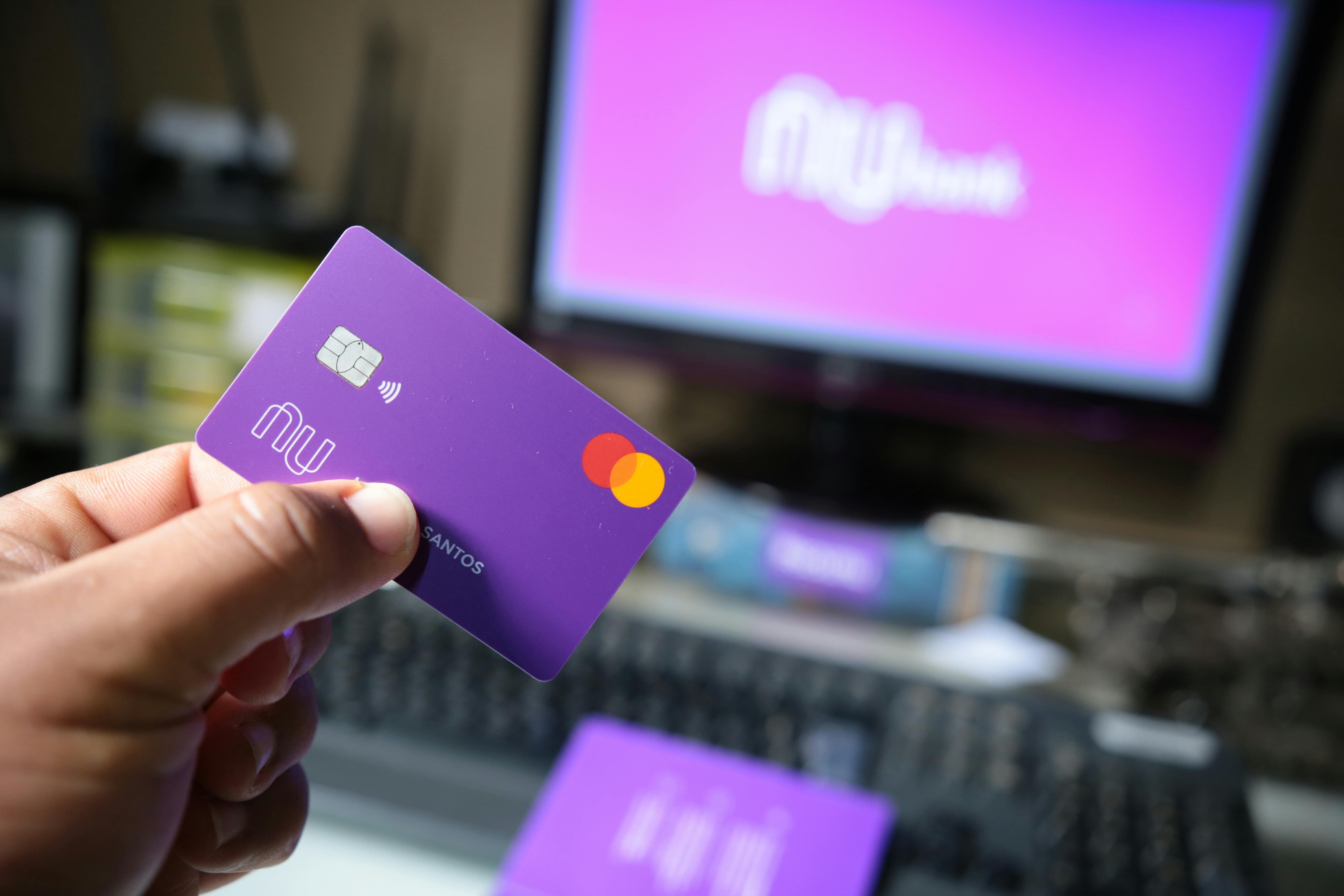
Burry buys MercadoLibre in the $1,600s after post-earnings drop
Michael Burry bought a full position in MercadoLibre after the stock fell 13% on a Q1 margin miss, betting his IV15 framework will prove right over a 15-year horizon.
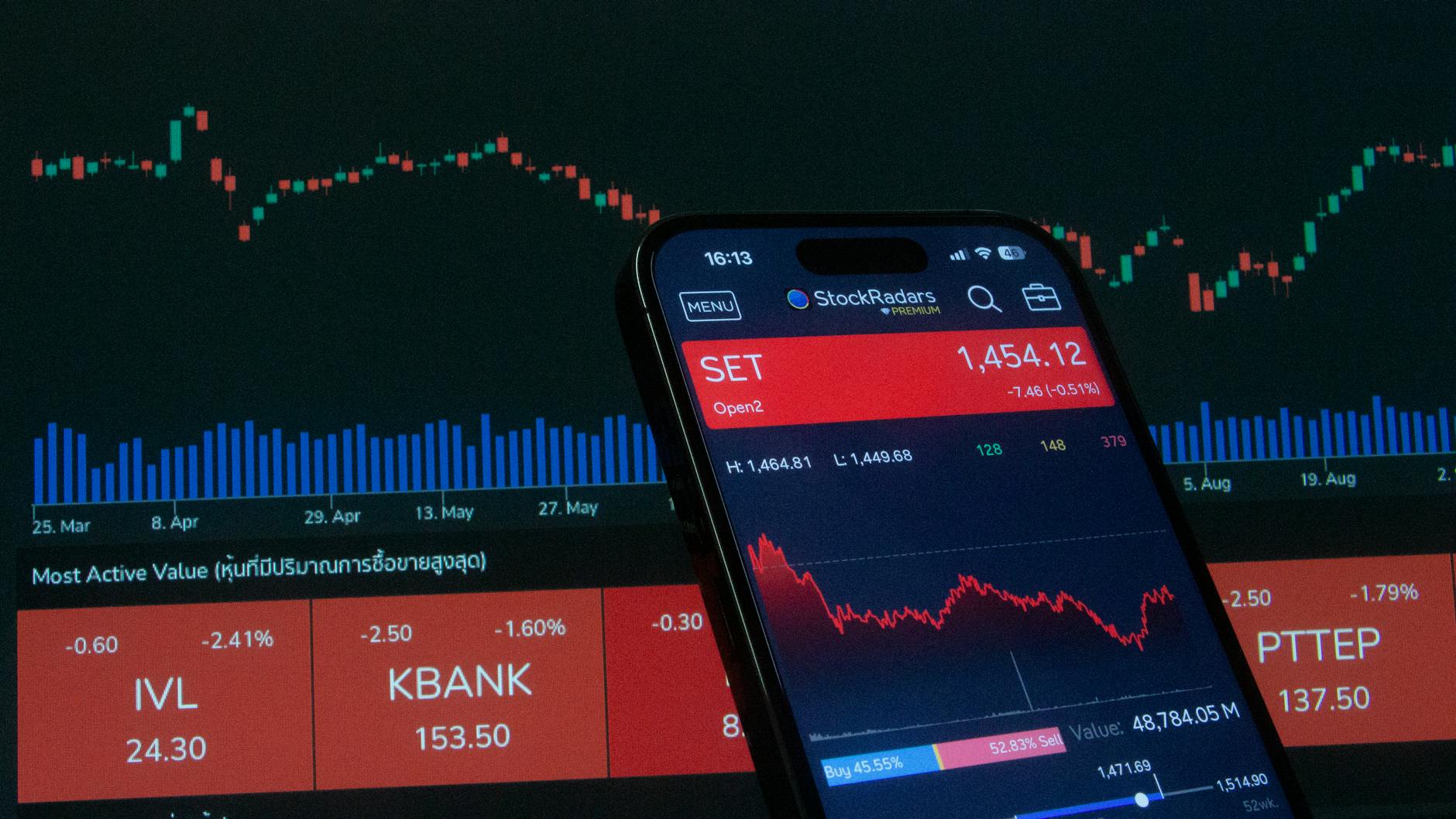
Michael Burry disclosed on Friday that he had purchased a full position in MercadoLibre (MELI) in the $1,600s, stepping into the Latin American e-commerce and fintech platform after its shares fell roughly 13 per cent on a first-quarter earnings miss.
The Scion Asset Management chief, who rose to prominence with his pre-2008 wager against US mortgage securities, posted the trade on his Substack on 9 May. “And this morning I purchased a new full position in Mercado Libre MELI in the $1600s,” he wrote. “The stock is down on earnings last night.”
The numbers that spooked the market
MercadoLibre’s 7 May first-quarter report delivered a split verdict. Revenue reached $8.85bn, a 49 per cent year-on-year jump that cleared the $8.37bn consensus. The trouble came further down the income statement. Earnings per share of $8.23 missed analyst estimates of $8.47 to $8.75. Operating income fell 20 per cent from a year earlier to $611m. The operating margin compressed by roughly 600 basis points to 6.9 per cent.
Not all of that compression was organic. MercadoLibre has been channelling capital into its logistics network, its fintech arm Mercado Pago, and credit origination across Latin America. Provision for doubtful accounts more than doubled to $1.244bn from $603m a year earlier — a function, the company said, of a fast-growing loan book rather than deteriorating asset quality. Mercado Pago now handles the largest digital-payments volume in the region. The credit arm issued more than $18bn in loans over the trailing twelve months. These are long-duration investments that weigh on the current income statement but, if the thesis holds, build earning power for the next decade.
The IV15 framework
Burry anchored the purchase to what he calls his IV15 framework — a valuation method that estimates the price at which a stock would deliver 15 per cent annualised returns over a holding period of 15 years or more. “MELI is now well below my IV15 price, at which I expect long-term 15 per cent annualised returns at 15 years or more,” he wrote in the same Substack post. The framework is inherently patient. It does not care about the next quarter’s earnings or the next six months of price action.
That brand of patience may be necessary. On the post-earnings call, chief financial officer Martin de los Santos pushed back against any suggestion that management had lost control of the cost base. “As we have always said, we’re not trying to optimise short-term margins,” de los Santos told analysts. “What we’re doing is we’re investing for the long term. We will continue to invest boldly in those initiatives.”
Where the stock sits
The buy lands at a technically strained moment. MELI closed at $1,557.30 on 12 May, below the 50 per cent Fibonacci retracement of its 2022-to-2025 rally. Burry’s entry in the $1,600s sits above the current price but well below the all-time highs above $2,400 reached in early 2025, meaning the shares have shed roughly 35 per cent from the peak. For a stock that compounded at nearly 30 per cent annually over the previous three years, the drawdown is material.
MercadoLibre operates across 18 markets. Brazil, Mexico and Argentina account for the bulk of revenue. Its dual e-commerce and fintech model — a marketplace paired with a payments and credit ecosystem — has drawn comparisons to Alibaba and Ant Group. The difference is penetration: e-commerce still accounts for less than 15 per cent of total retail in most Latin American countries.
That structural under-penetration is the core of the long-term investment thesis. It is also what makes Burry’s IV15 framework legible here — a 15-year horizon can absorb several cycles of margin investment and currency volatility if the end-state market is large enough.
The bull case and the bear case
Analysts are divided on whether the sell-off represents a genuine entry point or a rational derating of a stock that had priced in near-flawless execution. The bull case rests on MercadoLibre’s dominant market position across 18 countries, the runway from low e-commerce penetration, and a management team that has compounded capital at high rates for more than a decade. The bear case is equally legible: rising credit risk in a region prone to economic volatility, currency exposure across jurisdictions with unpredictable exchange-rate regimes, and a valuation that even after the drop sits above 40 times trailing earnings.
Motley Fool reported on 8 May that the single-day decline was one of the stock’s sharpest in two years. The combination of an EPS miss and rising loan-loss provisions rattled investors conditioned to expect MercadoLibre to clear both the top and bottom lines.
Burry’s contrarian record is mixed. His GameStop position in 2020-21, later dramatised in the film Dumb Money, captured a short squeeze that entered market folklore. A 2022 wager against the S&P 500 drew scrutiny when the index rallied through the year. The MercadoLibre thesis turns on a single question: whether the company’s growth spending converts into the earnings power his IV15 model projects before the market loses patience with compressed margins. At $1,557, the stock is offering one answer. Burry is betting on another.
Avery Lin
Markets editor covering US equities, single-name stocks and quarterly earnings. Reports from New York.