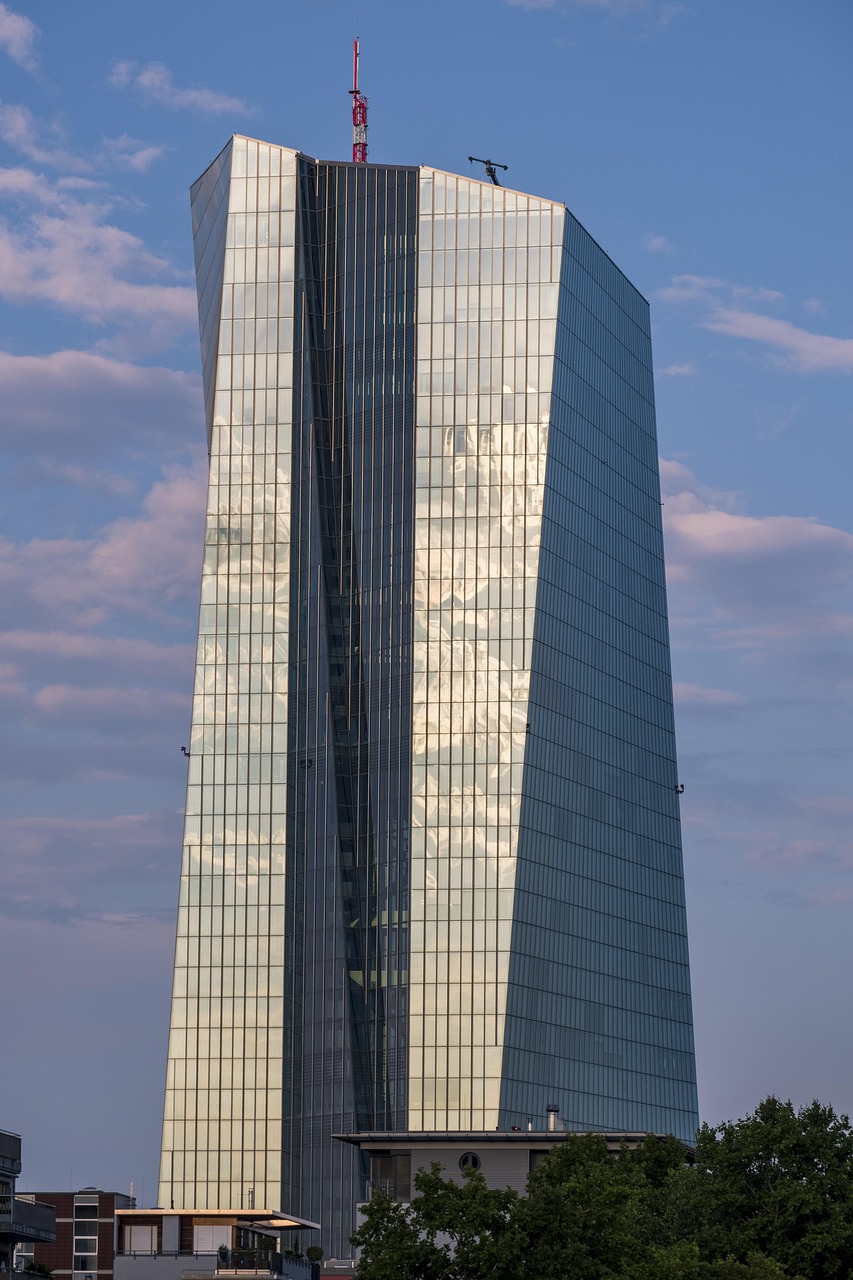
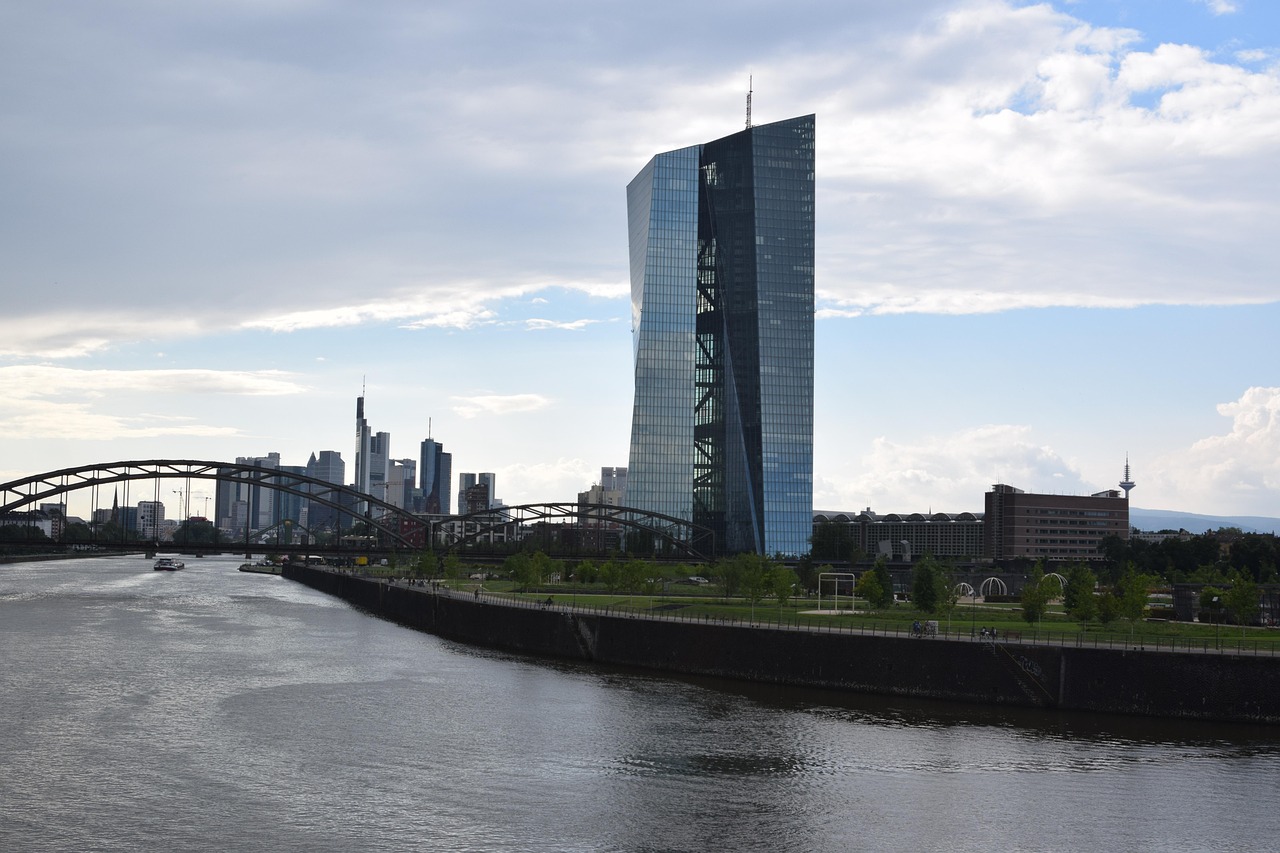
The ECB held rates in April. A June hike now looks like the baseline.
Eurozone inflation jumped to 3.0 percent in April, driven by an Iran-conflict energy shock, and ECB policymakers are signaling the first rate hike since the easing cycle is coming in June.
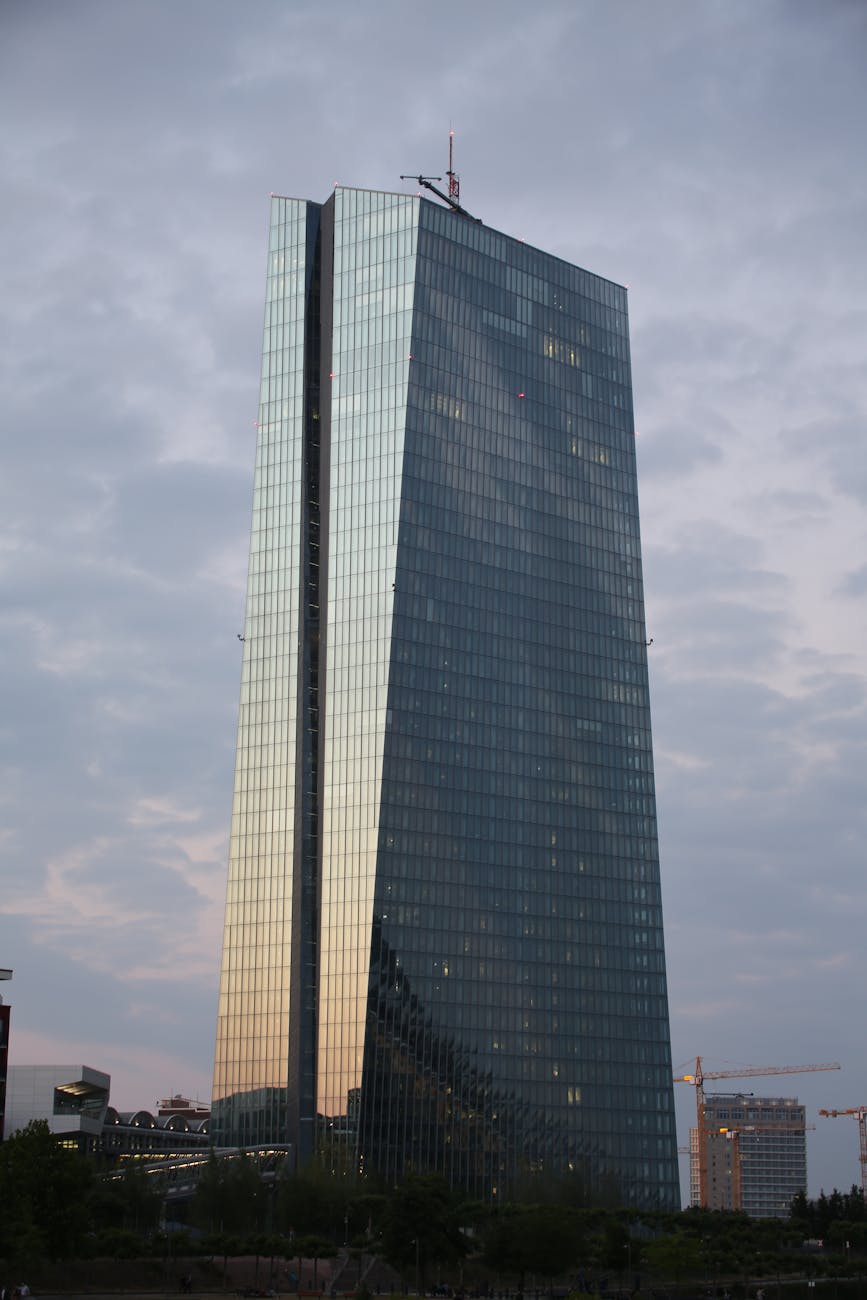
The European Central Bank held its deposit rate at 2.0 percent at the April 30 meeting. In substance, the decision read less like a holding action and more like a prelude. Within hours of the statement crossing the wires, markets repriced: a June hike was no longer a tail risk. It was the baseline.
Eurozone headline inflation hit 3.0 percent in April, the ECB confirmed in its monetary policy statement, climbing from 1.9 percent in February. Energy prices drove the jump, surging to 10.9 percent year-on-year from 5.1 percent in March as the Iran conflict disrupted global crude flows and pushed Brent crude above $85 a barrel, where it has stayed for the better part of two months. Core inflation, which strips out food and energy, held steadier. But headline moves at this speed have a way of concentrating minds in Frankfurt, where the memory of above-target inflation running for three straight years has not fully faded.
“The upside risks to inflation and the downside risks to growth have intensified,” the Governing Council wrote in its statement, a formulation notably sharper than March’s more balanced risk assessment.
Two months ago, the Council described risks as “two-sided.” By April 30, the language had tilted—and not subtly.
ECB President Christine Lagarde made the shift explicit in the press conference that followed. “We are moving away from the baseline,” she said. “The longer the war continues and the longer energy prices remain high, the stronger is the likely impact on broader inflation and the economy.”
Behind the scenes, the hawks were gathering. Bundesbank chief Jens Nagel had argued publicly before the meeting that the ECB should not wait for energy price pass-through to show up in core services before acting. Governing Council member Robert Kocher took a similar line, warning that letting headline inflation run above 3 percent risked unmooring inflation expectations just as wage settlements across the euro area accelerated. April strikes in Germany’s metalworking sector delivered pay increases above 5 percent, adding fuel to the argument that second-round effects are already underway.
Those numbers reinforce the case. Across the currency bloc, the economy eked out 0.1 percent GDP growth in the first quarter, a figure that would normally argue for steady or even looser monetary policy. But this inflation impulse is not coming from domestic demand. It is imported, supply-driven, and harder for a central bank to look through when the shock shows no sign of fading. European natural gas futures, which had trended lower through most of 2025, spiked again in April as traders priced in Strait of Hormuz transit risk alongside the crude disruption.
The rate path
Staff projections were not formally updated at the April meeting. That next round arrives in June, and Lagarde indicated the direction of travel is clear. Back in March, the staff forecast had pencilled in inflation falling below 2 percent by early 2027—a path she acknowledged was now “subject to considerable uncertainty.”
BNP Paribas economists put numbers on what the market was already pricing. They projected two 25-basis-point rate hikes in 2026, with the first expected in June, which would lift the deposit facility rate to 2.5 percent. Their second projected hike, they wrote, would follow later in the year, contingent on energy markets and the passthrough to wages.
Across the Atlantic, the divergence is sharpening. At the Fed, policymakers have paused cuts but show no inclination to resume hiking, putting the ECB on a distinctly different path. Through April, the euro strengthened against the dollar as rate differentials narrowed in Europe’s favor. A stronger currency dampens imported inflation—helpful, in the current environment—but it also squeezes European exporters at a time when the bloc’s manufacturing sector is barely growing.
What comes next
The risk, in Frankfurt’s own framing, is that the ECB tightens into a recession. Notably, the Governing Council’s statement acknowledged “downside risks to growth” in the same breath as its inflation warning, a nod to the stagflation specter that European policymakers spent years trying to avoid. Industrial production data for March, due later this month, will be watched closely. Due in late May, the flash PMIs offer the earliest read on whether the energy shock is feeding through to hiring and output.
For now, though, the Council’s priority is unambiguous. “We are determined to ensure that inflation stabilises at 2 percent over the medium term,” the statement read, reprising the ECB’s standard commitment to price stability. What was new was the urgency.
The next meeting is on June 5. A quarter-point move is now priced at better than 80 percent in overnight index swaps, according to market data tracked by CNBC. That number sat below 40 percent before the Iran conflict escalated in March. In three months, the war has redrawn the ECB’s map, and the Governing Council does not appear to be waiting for the smoke to clear before it moves.
Helena Brandt
Macro reporter covering the Federal Reserve, ECB, inflation prints and jobs data. Reports from Washington.