DRC lithium tax rises to 10% in battery-metals shift
DRC lithium tax will rise to 10% from 3.5%, adding cost pressure to Manono as Congo seeks more revenue from battery metals.
The Democratic Republic of Congo added lithium to its strategic-minerals list on Monday, raising the royalty on the battery metal to 10 per cent from 3.5 per cent as Zijin Mining Group prepares to bring the Manono project into production.
For miners and battery buyers, the timing is the story.
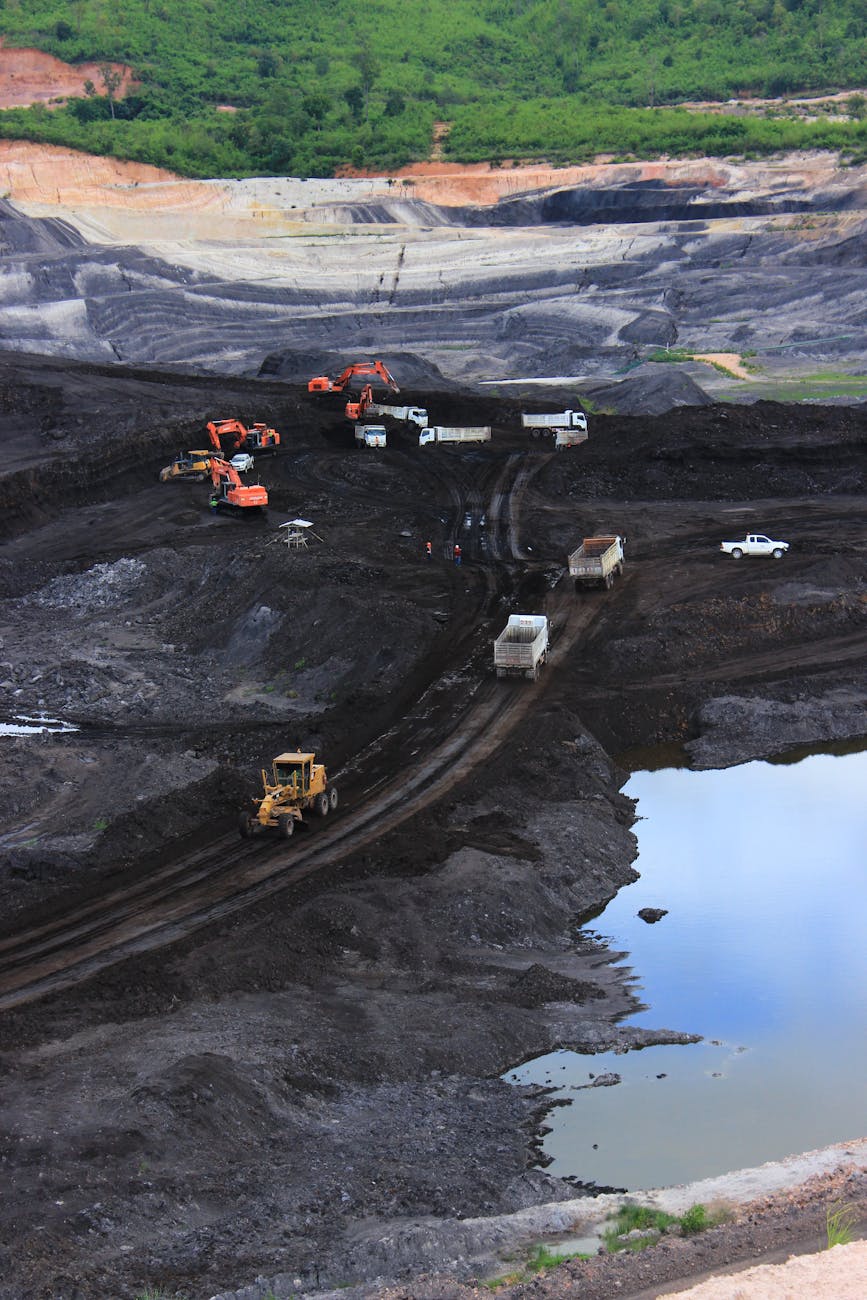
Manono is expected to be Congo’s first lithium operation and one of Africa’s largest new battery-metal projects. A higher state take changes the economics before the mine has shipped material, and it adds fiscal risk to a supply chain already sensitive to price swings and project delays.
Congo’s Ministry of Mines approved the decree for lithium and several other minerals after arguing that the country should capture more value from deposits it sees as strategically important.
“The objective is to allow our country to profit from the critical and geo-strategic character of the endowments found in its soil.”
DRC Ministry of Mines, video statement
Lithium joins niobium, tantalum, tungsten and uranium in the 10 per cent bracket, Semafor reported. The prior royalty for non-ferrous metals was 3.5 per cent, according to Bloomberg’s report, so the government’s cut of mine revenue will almost triple for newly covered lithium output.
Zijin’s calendar makes the tax change harder to treat as background policy. Reuters reported in February that the Chinese miner was set to start Congo’s first lithium output in June from the disputed Manono deposit. Ecofin Agency reported the project cost at about $1 billion and expected annual lithium sulfate output at 95,170 tonnes.
Timing raises project risk
A royalty increase rarely stops a mine on its own. It does change the cash-flow model used by lenders, joint-venture partners and offtake buyers when they decide how much political and fiscal risk to price into a long-dated battery-metal project. At Manono, the decree comes before first production rather than after years of operating history.
The decision also widens the commodity story beyond spot lithium prices. Congo already dominates mined cobalt supply and has long pushed for a bigger domestic share of mineral value. Adding lithium to the strategic list signals that Kinshasa wants similar leverage in the next generation of battery inputs, even where projects are still moving from development into commissioning.
The policy cuts two ways. A richer royalty can strengthen government revenue if Manono ramps smoothly, but it can make marginal expansions harder to justify when lithium prices are soft or financing costs rise. That trade-off is the project-economics risk now sitting inside Congo’s battery-metal pitch.
KoBold Metals, the US-backed exploration company, is also searching for another lithium deposit in Congo. For explorers, the decree is a reminder that a discovery can become more valuable geologically while also becoming more expensive fiscally. The tax framework is now part of the resource assessment.
For battery makers and trading houses, the near-term effect is less a sudden supply loss than a higher risk premium on Congolese tonnes. Manono’s output is still expected to add material to the market, but the extra royalty gives the state a larger claim on that supply and leaves producers with a narrower margin if lithium prices weaken again.
The decree places lithium alongside cobalt, copper-linked politics and uranium in Congo’s strategic-minerals toolkit. It ties one of the world’s closely watched battery projects to the fiscal question running through much of the energy-transition supply chain: who gets paid when critical minerals become strategic assets.
Reza Najjar
Commodities desk covering oil, natural gas, gold and base metals. Reports from London.