Freedom Holding (FRHC) share sale raises $300m for expansion
Freedom Holding share sale raised $300 million as the brokerage group funds expansion into Turkey and other markets without adding debt.
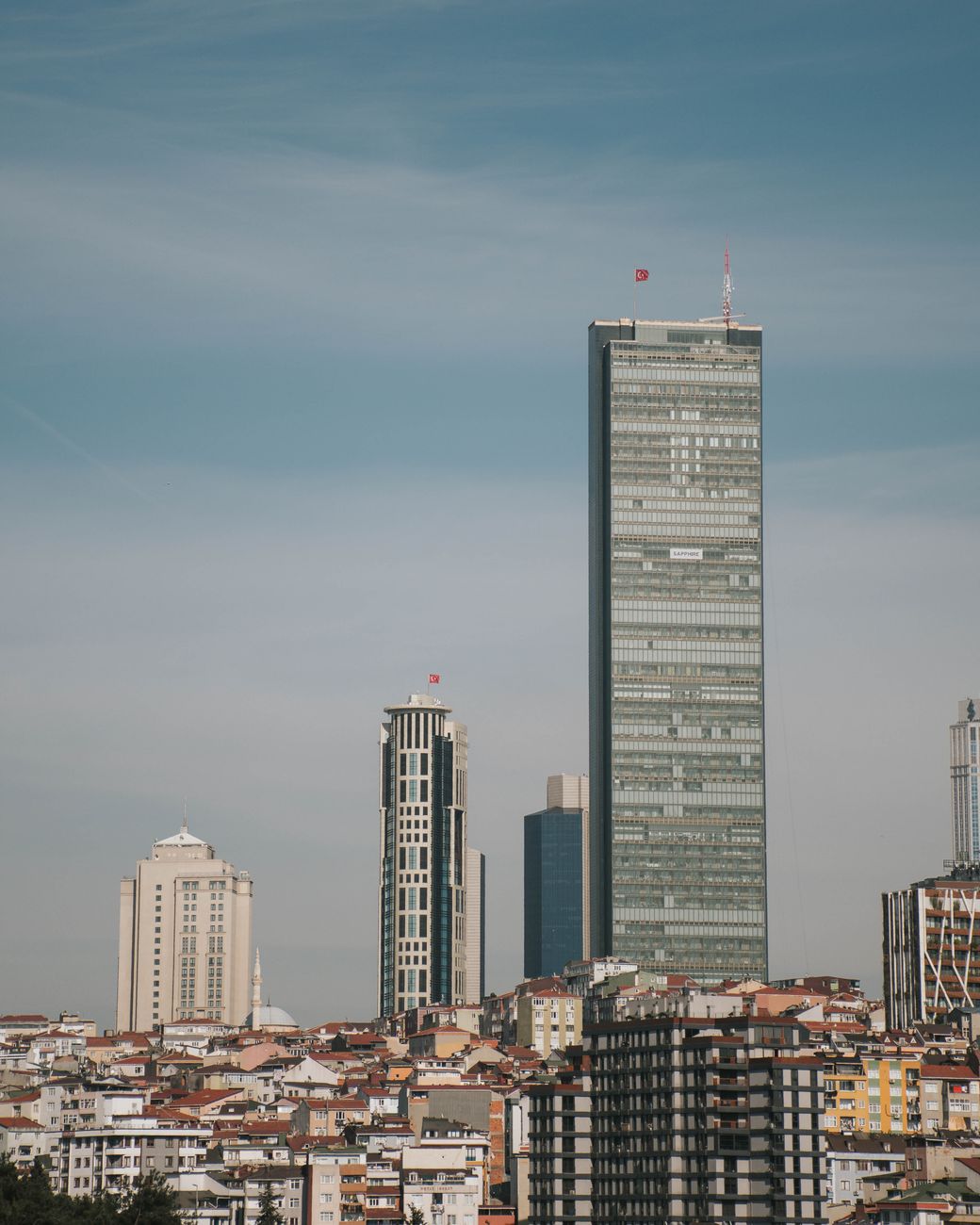
Freedom Holding Corp. raised nearly US$300 million in a Friday share sale, handing the brokerage and financial services group new equity for an expansion plan that now runs through Turkey and other growth markets. It sold 2,374,356 common shares, the company said. FRHC shares were up 2.77 per cent at $166.09 in recent trading, according to Yahoo Finance data.
For investors, the financing says almost as much as the amount. Stock funding adds cash without adding fixed obligations to a business that is still widening its regulatory and operating footprint. Against a market capitalisation of about US$10.18 billion, according to Yahoo Finance, the raise is meaningful but does not point to balance-sheet stress.
In an SEC filing, Freedom said the offering was completed under Regulation S, with shares sold outside the United States to non-US persons. Affiliate Freedom Finance Global PLC acted as placement agent for a 1 per cent fee capped at US$3 million, the filing said. That structure leaves Freedom using offshore equity markets for growth capital while keeping other financing options available.
The route also narrowed the buyer base to investors outside the US. The read-across is limited but useful: this was a quick institutional raise with a defined expansion use, not a domestic follow-on pitched across the whole shareholder base.
The sale came nine days after Freedom said Turkey’s banking regulator had approved its planned acquisition of a local bank.
Turkey as the next test
The approval gives Freedom a route into a market where a brokerage franchise can be paired with deposit gathering, payments and consumer finance. In the July 1 statement, chief executive H. Cenk Eynehan called BRSA approval “an important step toward implementing our strategy in Türkiye.” Timur Turlov, the group’s founder and chief executive officer, said the bank deal would create “the foundation for scaling a model that has already proven its effectiveness.”
Sequence matters here. Freedom secured regulatory clearance, then raised equity within days, suggesting the Turkish expansion is no longer a distant option on a slide deck. It is a live project that will need spending on integration, compliance, technology and client acquisition before investors can judge whether the model travels.
Common equity fits that setting. A debt-funded push would have added fixed obligations before the Turkish platform is fully integrated and earning against its cost base. Fresh stock leaves more room to absorb execution costs and preserves borrowing capacity for later deals or product buildout. Friday’s offering looks more like expansion capital than rescue capital.
Cross-border financial groups rarely expand in a straight line. Banking licences, capital buffers and local compliance teams consume cash before they generate revenue. Management still has to prove that a model built in one market can win clients in another. Equity is expensive capital, but it is patient capital, and the choice says as much about execution risk as it does about growth ambition.
Investor appetite holds
Demand is the harder signal to dismiss. Freedom was still able to place stock offshore while the group is under regulatory scrutiny in the United States. Bloomberg reported in June that Turlov and Freedom had received an SEC Wells notice, a staff warning that can precede an enforcement case. The company did not frame Friday’s deal around that issue, but a US$300 million offer suggests the expansion story still outweighed that overhang for some investors.
The placement does not remove the risk. It does show investors were willing to separate the immediate funding case from the unresolved regulatory backdrop, at least for a Regulation S transaction aimed outside the US. For now, the market is giving Freedom credit for platform momentum while reserving judgment on the legal and supervisory questions.
Deployment is the next test. Investors will want to see whether the new capital turns quickly into operating growth, particularly in Turkey, where the planned bank acquisition gives Freedom a broader platform than a stand-alone brokerage. If the acquisition closes cleanly and the proceeds translate into client growth and product depth, Friday’s share sale will look less like a one-off capital raise and more like the funding step behind Freedom’s next phase.
Naomi Voss
Banks and deals reporter covering bank earnings, fintech, M&A and IPOs. Reports from New York.