Anthropic’s next AI arms race looks like power, not models
Anthropic’s Australia data-centre plan turns AI into a grid-and-financing story, with 1.4 GW at stake for landlords, lenders and power policy.
Leaked documents suggesting Anthropic wants at least 1.4 gigawatts of Australian data-centre capacity have shifted the company’s next finance story away from model launches and toward electricity, connection queues and long-dated lease liabilities. The timing matters. Prime Minister Anthony Albanese’s new AI stance is that big data-centre operators should cover their own grid footprint rather than socialise it across households and other businesses.
Public equity investors usually associate this kind of scale with utilities, not software groups. AFR reported Anthropic wants to start using 1 GW by the end of 2027, with the broader build-out priced at about A$21.6 billion. Anthropic has already said its revenue is running at US$30 billion annualised, and that pace helps explain why the competition is moving from benchmark scores to procurement discipline. Compute is no longer just rented from the cloud. It is being locked up, campus by campus, power contract by power contract.
“We are making our most significant compute commitment to date to keep pace with our unprecedented growth.”
— Krishna Rao, Anthropic
Grid planners and landlords do not read that same evidence in the same way. Canberra sees a new class of large load that could crowd already stretched networks. Infrastructure investors see 20-year-style contracted cash flows if an AI tenant can anchor a campus early enough. A skeptic, meanwhile, sees a balance sheet that may need outside credit support before every promised megawatt becomes financeable. That tension, not the next model demo, is the real market signal in the Australian leak.
Power before model bragging
Anthropic’s Australian plan looks less like a routine expansion than a statement that frontier AI has entered the utility phase. The company is not just shopping for graphics processors. It is trying to secure land, substations and transmission access before rivals do. Earlier this month, TeraWulf said Anthropic had signed a 20-year lease at its Kentucky campus, giving investors a template for how AI demand can be translated into infrastructure revenue. The Australian leak extends that logic into a market where the bottleneck may be power more than servers.
Earlier financing clues point the same way. Semafor argued in June that Anthropic’s expansion may need a stronger capital backstop, while Bloomberg reported that TeraWulf was preparing to raise about US$3.5 billion in debt for an Anthropic-leased campus. Those are not side stories. They show how the frontier-AI race is being repriced through debt markets and lease structures. If the Australian documents are directionally right, the next winners may be the operators that already control powered land and the lenders willing to fund it.
Feed reporting from AFR said Infratil-owned CDC Centre was expected to capture about 500 megawatts of the requirement. That figure is notable not only because it is large, but because it would make data-centre landlords a more visible part of the AI value chain. Investors have spent the past two years treating chipmakers and cloud platforms as the cleanest expressions of AI demand. The leak suggests another layer now deserves attention: landlords with grid access, cooling capacity and planning permissions that cannot be replicated quickly.
“The Anthropic lease validates our strategy and establishes a long-duration revenue stream with one of the world’s leading AI companies.”
— Paul Prager, TeraWulf
To analysts, the appeal is straightforward. A long lease tied to a fast-growing AI tenant can reset pricing for power-rich campuses, especially if competitors are forced to bid for the next scarce slot. Load growth helps them. So does duration. Yet the skeptic’s question remains the more important one for credit investors: who ultimately guarantees those payments if the training cycle softens, models become cheaper to run or a tenant’s funding mix changes? That is why Anthropic’s Australian pursuit reads as much like a financing story as an expansion story.
Policy is the choke point
Policy makers in Canberra are making clear that access to Australian capacity will not be separated from public-interest conditions. In a speech reported by ABC News, Albanese said AI data centres should “put at least as much energy into our grid as they take out of it”. He also signalled that operators should bear the cost of their own network connections and minimise water use. That answers one of the policy camp’s central questions. The state is trying to force new supply to travel with new load.

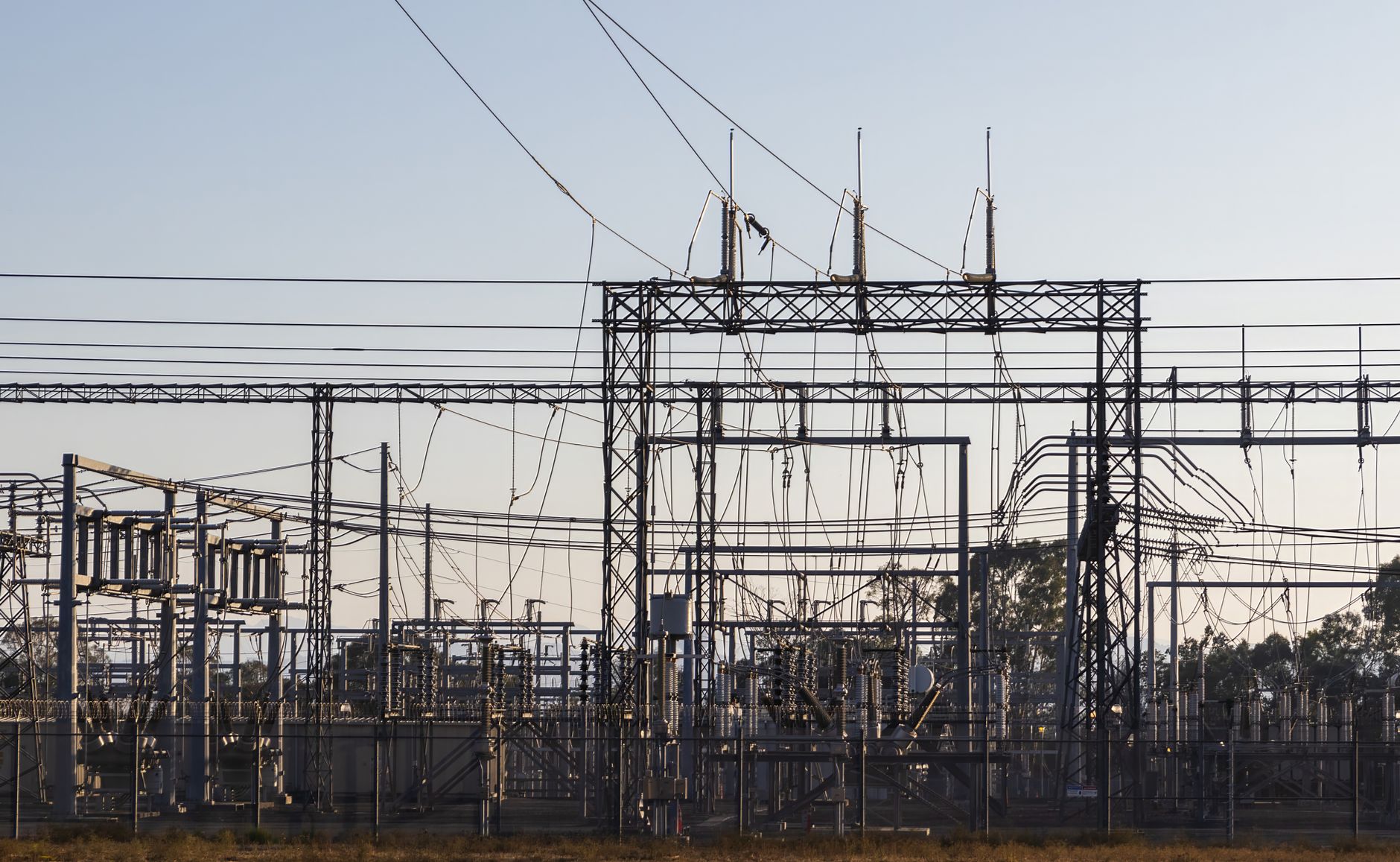
On Transgrid’s latest network-capacity update, the grid operator said it was already in discussions over about 8 GW of prospective large loads. That is far bigger than any single tenant announcement. It suggests the constraint is becoming system-wide. Once connection queues start to dominate project timelines, political leverage rises with them. Approval terms begin to matter as much as the quality of a model.
From the household side, the issue is not data centres in the abstract but who absorbs the cost. The Conversation argued that the boom does not need to raise power prices if new campuses are paired with renewable generation, storage and better project connections. That point matters for investors too. If new AI loads can be matched with batteries and fresh generation, landlords gain a cleaner financing narrative and governments can pitch job creation without blaming household bills. If not, each campus becomes a political fight about scarcity.
Here, the regulator-policy and user-affected camps briefly align. Both want proof that an AI campus adds supply, resilience or regional investment, not just demand. For Anthropic, that means the real Australian contest may be over connection terms, firming capacity and siting discipline. A frontier model company can move fast in software. It cannot accelerate a transmission upgrade with a press event.
Why landlords and lenders care
Old-economy capital can read this story more easily than it could read the last model benchmark. A 1.4 GW pipeline is easy for equity analysts to translate into rent, debt capacity, yield and duration. It is much harder to reduce to a conventional software multiple. That is why the Australian leak is important beyond Anthropic itself. It suggests the next phase of AI competition will be mediated by infrastructure balance sheets, not only by research talent or consumer adoption curves.
In public markets, the likely beneficiaries are the owners of scarce things: powered land, interconnection rights, development permits and the ability to layer debt over long contracted cash flows. TeraWulf’s Kentucky deal offered a US template. Australia could offer a stricter one, because the policy bar is higher and the grid questions are closer to the foreground. If Canberra holds the line that data centres must underwrite their own power additions, only the best-capitalised projects may clear.
Still, not every AI infrastructure thesis is safe. Semafor’s “co-signer” question still hangs over the sector, and the same concern will travel to Australia. Long-duration leases look valuable only if counterparties remain strong, campuses are delivered on time and power costs do not outrun expectations. A rush for megawatts can enrich landlords. It can also expose weaker tenants if financing terms tighten before the revenue curve fully catches up.
Taken together, Anthropic’s leaked Australian plan reads less like a local property story than a new scorecard for AI capital intensity. Investors can still track model launches, developer traction and enterprise contracts. They will also need to watch connection queues, government standards, lease guarantees and whether the next tranche of megawatts comes with its own power supply. In this phase of the race, the companies that win may be the ones that secure electricity first and explain the financing second.
Sloane Carrington
Markets columnist. Analytical pieces and deep-dives on monetary policy, capital flows and corporate strategy. Reports from New York.