Alibaba wins temporary reprieve from Pentagon lobbying ban
Alibaba wins a temporary reprieve from a Pentagon-linked lobbying ban, giving the company up to 60 days to press its court challenge.
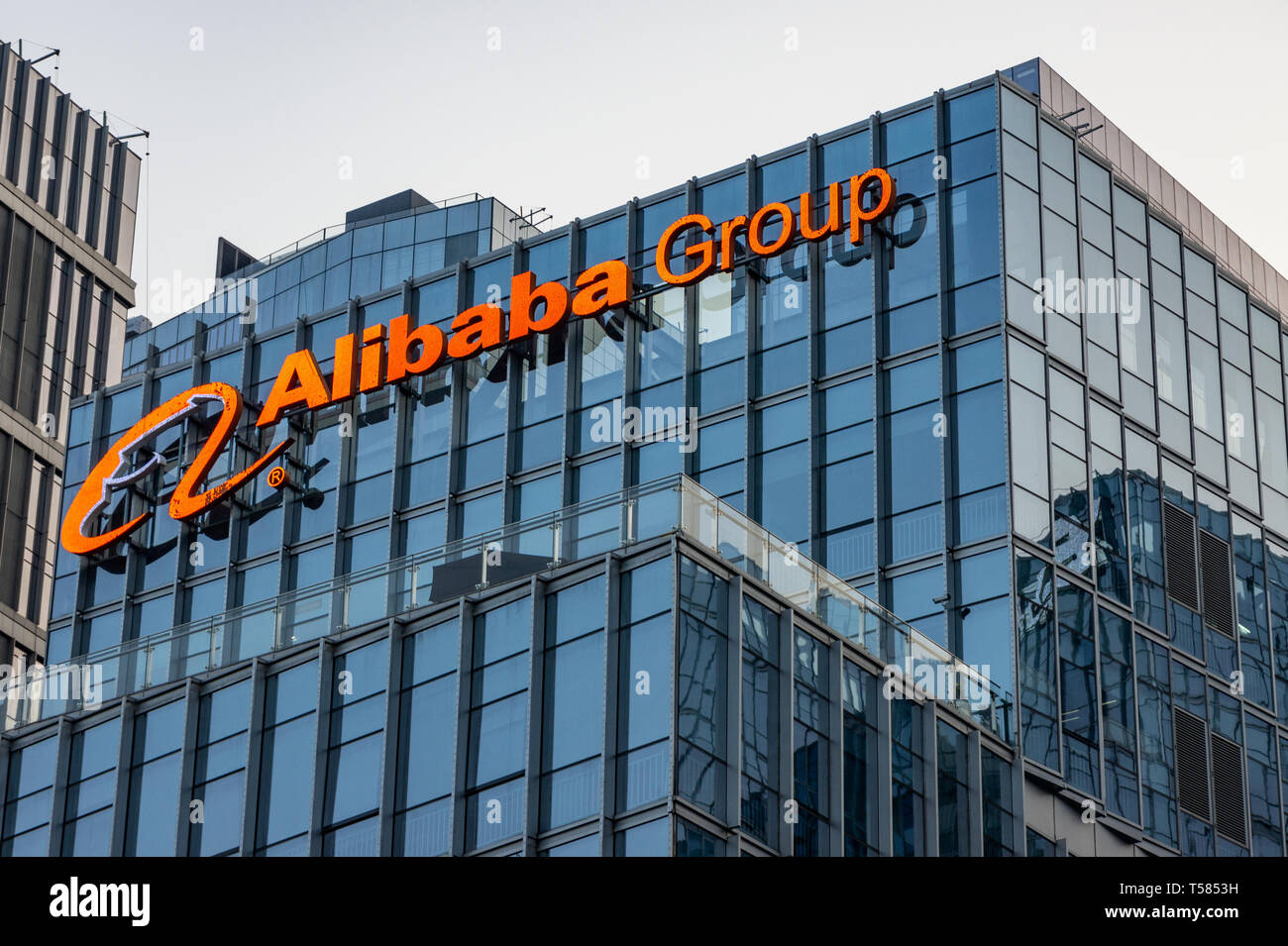
Alibaba Group Holding Ltd. won a temporary reprieve on Saturday from a Pentagon-linked lobbying ban after a federal judge told the US Defense Department not to enforce the restriction while she considers the company’s challenge to its place on the government’s Chinese military-company list. The order, reported by Bloomberg, gives the Chinese technology group a limited court victory in a case about how far Washington can push blacklist tools into a company’s dealings with the federal government.
Judge Eumi K. Lee’s ruling leaves Alibaba on the Pentagon roster. It pauses one immediate consequence of that listing: a lobbying restriction tied to the Pentagon blacklist that Alibaba says was already separating it from lawmakers, regulators and agencies that shape its US business.
The fight is more practical than symbolic. It asks whether national-security lists can impose operating costs before the designation itself has been tested in court.
The provision bars companies on the Defense Department’s list from using federally appropriated money for lobbying. In court papers cited by Bloomberg’s report, Alibaba said more than two dozen registered lobbyists withdrew their registrations in recent weeks. Lee’s temporary order remains in force until she rules on Alibaba’s request for a preliminary injunction, or for 60 days after a hearing, whichever comes first.
Alibaba framed the harm as a loss of access, not a broad complaint about US-China policy. The company told the court the lobbying ban had taken away a channel for responding to the US government on legislation, rule-making and policy formation.
“its voice across the whole of its dealings with the federal government — on legislation, on regulation, on the policies that shape its business”
Source: Alibaba filing, via Bloomberg
That sentence carries the legal theory. For Alibaba, the designation is not merely reputational damage from a Pentagon list. The company says the lobbying provision burdens its ability to defend its interests in Washington before a judge has decided whether the restriction can stand.
Pentagon officials, according to Bloomberg, said the law at issue “fully complies with the US Constitution”. The government has a strong reason to defend that view. Bloomberg said the Defense Department’s 1260H roster now includes 188 designated Chinese military companies, up from 20 under an earlier statute, making the list more consequential as a policy tool.
That growth explains why a dispute that might once have sat near the edge of Washington’s China-policy machinery now carries broader market stakes. Inclusion can affect who does business with a company, how counterparties price risk and, in Alibaba’s account, whether it can keep outside lobbyists in place at all.
Why the order matters
Unlike investment curbs or export controls, the restriction Alibaba is fighting reaches the mechanics of corporate advocacy. A company can sit on a blacklist and contest capital-markets effects in court. Its position changes when the same listing starts reducing the number of people willing or able to represent it in Washington.
The temporary pause narrows a broad US-China policy clash into a legal question about immediate burden, due process and the limits of executive reach.
The order may also matter beyond Alibaba if other Chinese groups challenge the secondary effects of Pentagon designations. A judge need not reject Washington’s national-security rationale to find that a collateral restriction moved too quickly or lacked enough constitutional grounding. For companies that use outside advisers to navigate Congress, agencies and sanctions-style compliance risks, that distinction has practical value.
Alibaba’s win is procedural, not final. The company remains on the Pentagon list, and the court has preserved the status quo while it examines whether the lobbying provision can survive closer scrutiny. Over the next 60 days, the case will test whether courts treat blacklist consequences as reviewable burdens in their own right, rather than unavoidable side effects of Washington’s campaign to police Chinese firms.
Tomás Iglesias
Financial regulation and legal affairs. SEC, CFTC, FCA, market-structure and enforcement. Reports from Washington.