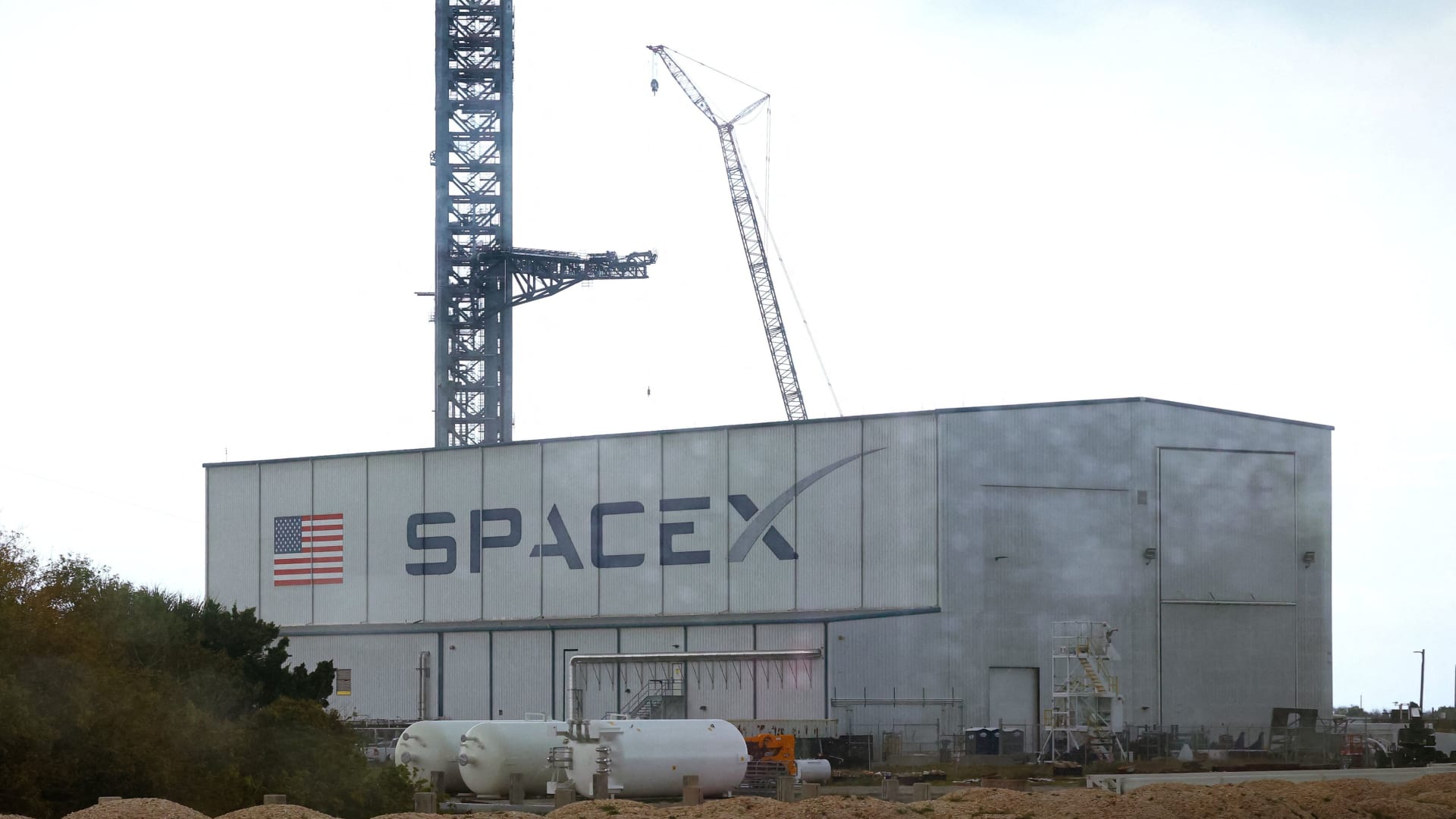
SpaceX stock buys by US lawmakers surface after IPO
SpaceX stock buys by two U.S. lawmakers, disclosed days after the IPO, have added a governance question to the summer's hottest listing.
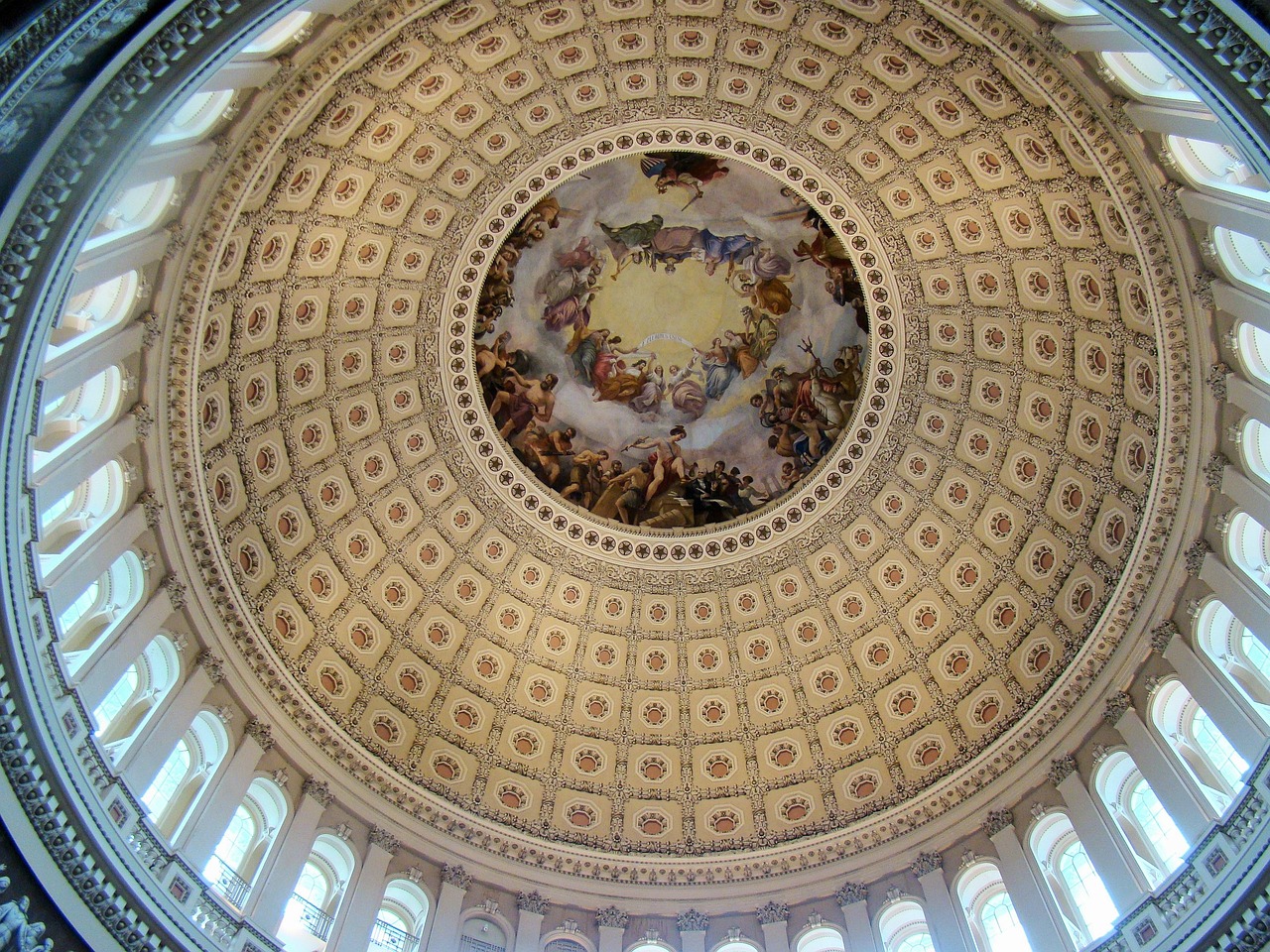
Congressional disclosures this week put two lawmakers inside the early trading record for SpaceX, days after the company’s June 12 IPO. CNBC first reported that Reps. Dan Meuser and Gil Cisneros made the first known congressional purchases tied to the newly public company, adding a disclosure question to one of the summer’s busiest listings.
House periodic transaction records show a dependent child of Meuser, a Pennsylvania Republican, bought $15,001 to $50,000 of SpaceX on June 15, three days after trading began. A separate filing shows Cisneros, a California Democrat, bought $1,001 to $15,000 on June 18. CNBC said SpaceX opened at $150 a share. The House forms were periodic disclosures, so investors saw the transactions only after the clerk’s office posted the records.
The documents do not show either lawmaker taking action for the company, and they do not state why the shares were bought. The sensitivity comes from SpaceX’s place in Washington. As CNBC reported, the company is a newly listed retail draw and a major federal contractor, a mix that gives congressional ownership a sharper edge than an ordinary post-IPO trade.
Committee assignments add to the optics. CNBC identified Meuser as a member of the House Financial Services Committee and Cisneros as a member of the House Armed Services Committee. That makes small-dollar filings harder to treat as market color alone. The story now sits between valuation, timing and oversight, with one of the year’s most closely watched issuers already reaching Capitol Hill portfolios.
What the filings show
Meuser’s filing lists the SpaceX purchase under a dependent child’s account rather than his own name. It still belongs in the congressional reporting system. The public form gives a dollar band, not a share count or execution price, leaving the household’s exact exposure unclear beyond the $15,001 to $50,000 range. That is how these reports often work: they confirm a transaction and its rough size, while withholding enough detail to frustrate investors and ethics watchdogs.
Cisneros’s report was smaller, at $1,001 to $15,000, and he gave CNBC an explanation after the outlet asked about it. His statement framed the purchase as part of outside portfolio management rather than a direct wager on a politically connected name.
“My wife and I have always employed outside financial advisors who have a fiduciary responsibility to maintain a diverse portfolio.”
Gil Cisneros, as quoted by CNBC
The sequence gives the filings their force. The purchases surfaced while investors were still digesting SpaceX’s opening trade and its federal-contracting profile. The available records do not point to a rules violation on their face, but they move part of the SpaceX conversation away from valuation and toward disclosure.
For markets readers, the shift matters. SpaceX was already the summer’s hottest IPO. The House filings have made it an ownership story too, where modest purchase bands carry more weight because of who reported them and how closely the company sits to the U.S. government. Future moves in the shares are likely to be read through that Washington lens, even if the documents themselves prove only that the trades occurred.
Tomás Iglesias
Financial regulation and legal affairs. SEC, CFTC, FCA, market-structure and enforcement. Reports from Washington.