AI data center trade hits power, politics and capex wall
AI data center spending is meeting a harsher market test as grid bottlenecks, turbine shortages and investor demands for returns reshape the trade.
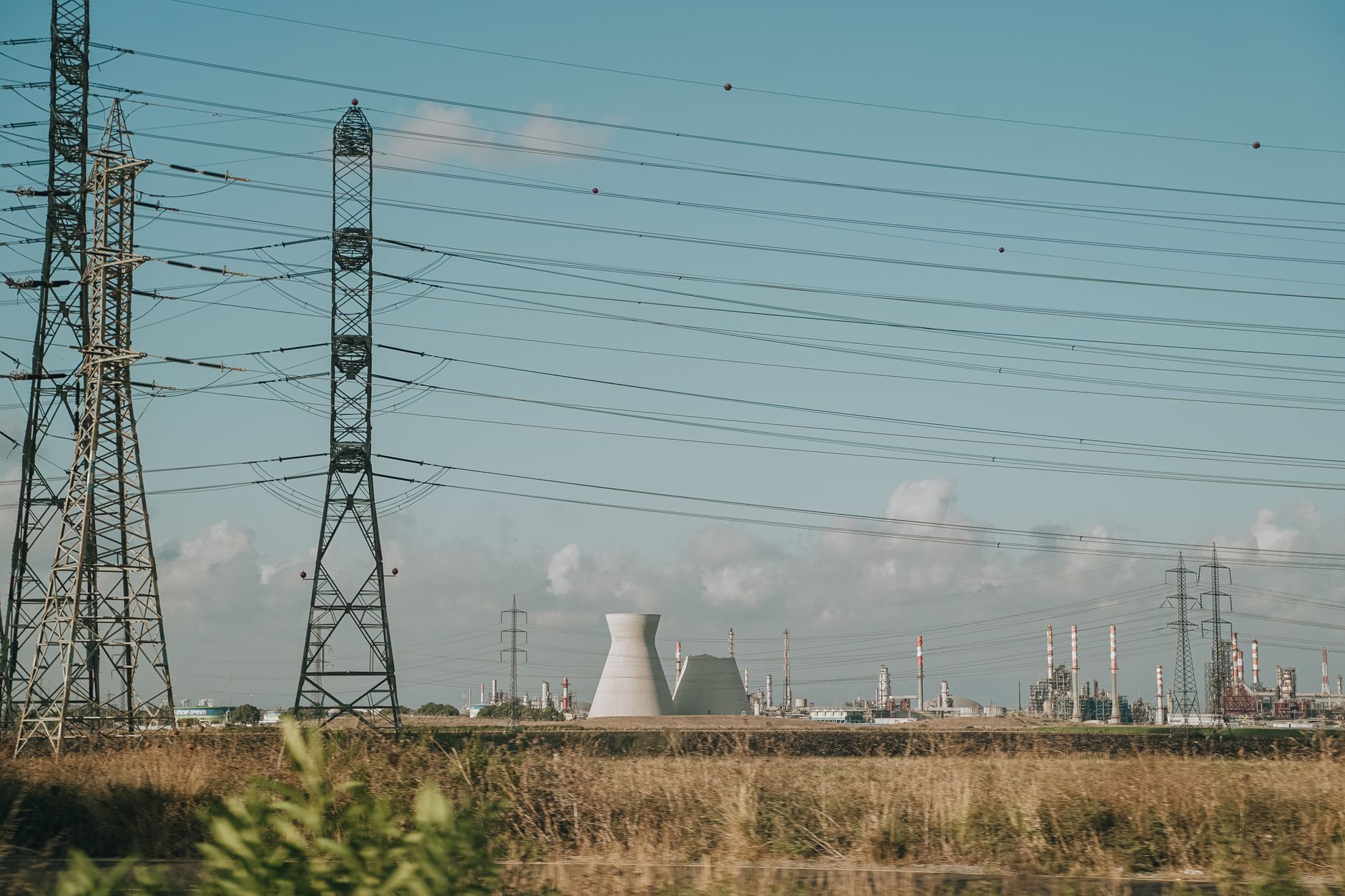
Power, not model benchmarks, is starting to set the price on the AI data center trade. After a year in which nearly every company attached to hyperscaler buildouts drew a bid, investors have moved to the harder question: how much of that spending becomes durable revenue when electricity, turbines and local approvals are scarcer than accelerators?
The shift matters because the next leg of the trade sits further down the balance sheet. Reuters reported in February that the US electricity system was already straining under Big Tech’s AI buildout, with utility interconnection queues, transmission upgrades and local opposition threatening projects meant to support the capex plans of Amazon, Microsoft, Alphabet and Meta. Markets have moved from chip supply to asset payback, asking whether those companies can turn power-hungry campuses into services that earn above their cost of capital before patience runs thin.
Inside the supply chain, the tone is less defensive. CNBC’s reporting on GE Vernova’s turbine business shows why power-equipment suppliers sound more confident than the software buyers. Pablo Koziner, the company’s chief commercial and operations officer for gas power, said industrial gas turbines have moved to the centre of the buildout because firm electricity still matters more than elegant architecture diagrams when a campus has to come online on schedule.
“Right now, when you need power at scale and you need firm power, the industrial gas turbine is one of the leading solutions for that,”
Pablo Koziner, GE Vernova, via CNBC
Those numbers are stark. Microsoft alone is using 2.7 gigawatts of power for a Texas data-center project, enough electricity for about 3 million homes, Koziner said. GE Vernova says about 20 per cent of its gas-power order book now goes to data-center or AI applications. Large turbines are effectively sold out through 2029, and the book is already extending into 2030 and 2031. One turbine can cost more than $250 million, while CNBC said prices are up 300 per cent over three years. What began as a semiconductor scarcity story now looks more like a constrained industrial cycle.
Power becomes the binding constraint
For analysts watching utilities and project finance, supply-chain confidence does not remove the market’s main risk. Reuters’ reporting framed grid strain as the practical limit on the AI boom, and TechCrunch later reported that federal red tape could threaten 92 gigawatts of new electricity supply just as developers were trying to speed fresh campuses to market. In AI infrastructure, a one-year delay bites harder than it does in ordinary commercial real estate: depreciation starts quickly, while revenue can slide with every postponed energization date.

Local politics sharpen the point. Planned data centers do not fail only because demand disappears. They slip when utilities cannot promise interconnection dates, when counties balk at water and land use, or when ratepayers push back against a system built around hyperscaler urgency. Semafor’s reporting on Amazon’s rising carbon footprint adds another pressure point: even when companies secure generation, they still have to explain the emissions and grid consequences. Counties and regulators do not need to oppose AI itself to slow returns. Demanding more transmission, water planning or emissions disclosure may be enough. The political risk is not vanishing AI demand. It is a slower return profile that compresses valuation multiples first.
That helps answer one of analysts’ central questions. A larger share of hyperscaler capex now looks tied to substations, transmission, gas generation, cooling and backup systems rather than the chips that originally defined the trade. These assets can be productive for years, but they do not re-rate as quickly as software margins. They belong to a heavier market regime. Utilities and merchant-power developers sit in the middle of it. Load growth helps them. So does a long interconnection queue. Household power bills, however, bring scrutiny. Cleaner second-order winners may be companies such as GE Vernova and selected utilities; the buyers of that equipment still have to prove they can keep utilization high once the campuses are built.
“Today, about 20% of our gas power order book is going to a data center, artificial intelligence-type of application,”
Pablo Koziner, GE Vernova, via CNBC
Capex has to earn its keep
The skeptic’s case comes into focus when the conversation shifts from building to monetizing. CNBC reported on July 1 that Meta planned to sell excess AI compute power to outside customers, and the stock rose 10 per cent on the day. A day later, CNBC’s analysis said Wall Street welcomed the move even though a cloud business would likely carry lower margins than Meta’s advertising engine. Investors were effectively accepting a slightly worse margin profile in exchange for clearer asset utilization and a nearer revenue bridge.
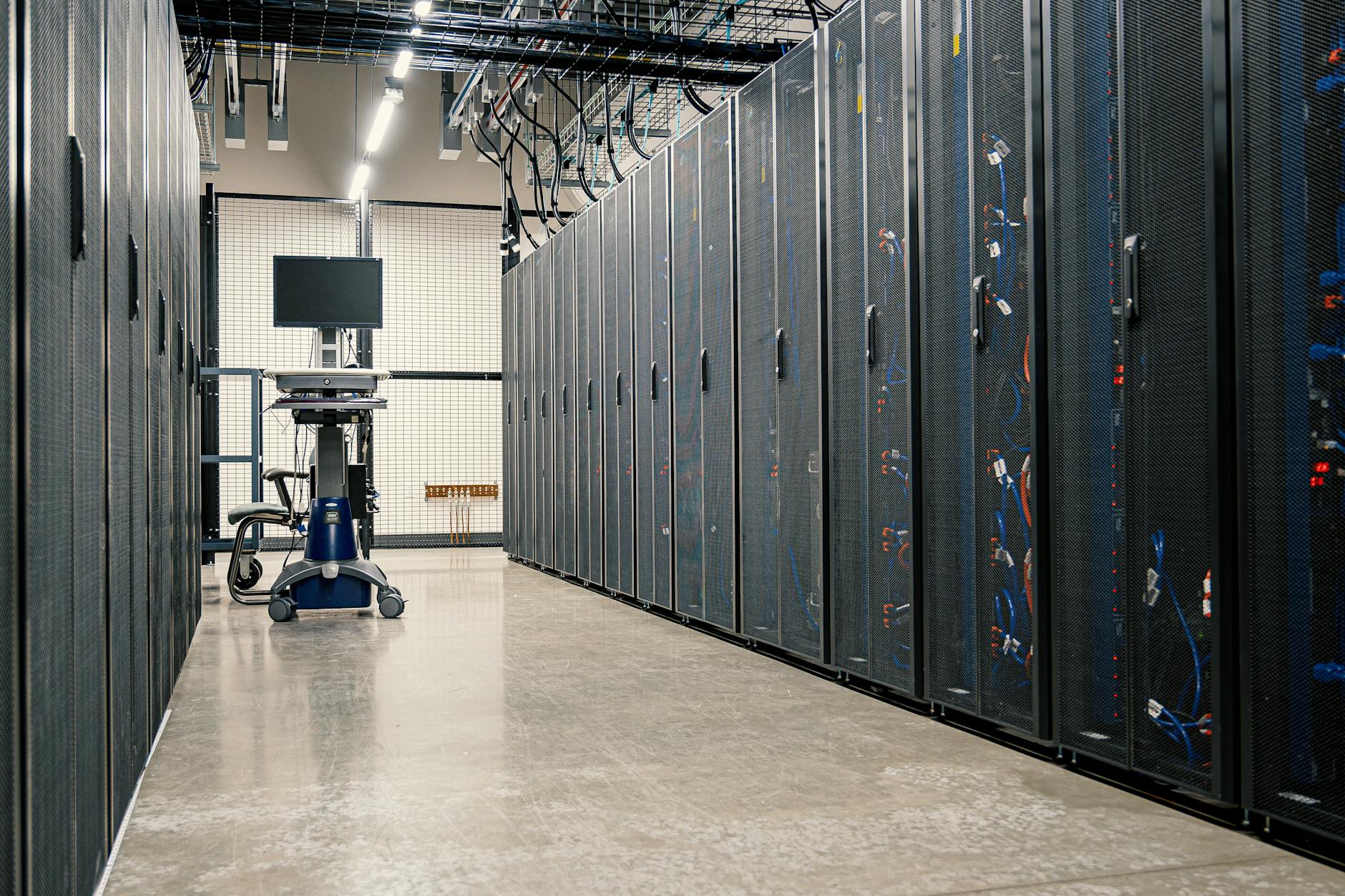
Meta’s move answers only part of the overbuild question. Selling excess compute is not an admission that the original capacity plan was reckless. It is a sign that the market wants idle capacity treated as inventory that must be priced, leased and worked harder. In an easier market, hyperscalers could promise future AI products and ask investors to wait. Now monetization has to arrive alongside construction. Spare compute has to support enterprise workloads, model hosting or inference services before the next capex round becomes easier to defend.
Across the wider tech complex, investors are reading the shift that way. The Wall Street Journal’s analysis of Masayoshi Son’s skepticism about Elon Musk’s AI vision underscored how even long-time technology gamblers are probing whether the industry’s most ambitious infrastructure plans can generate acceptable returns. Semafor’s analysis of Meta’s cloud push captured the same demand in blunter terms: stick with the spending only if the spending can start to act like a business. Meta’s market reaction mattered beyond one stock. It supplied a template for how the rest of the sector may have to narrate AI spend. Once the trade makes that turn, the relative winners change. Makers of turbines, switchgear and transmission equipment look like volume businesses. Hyperscalers start trading against project execution, depreciation schedules and capital discipline.
Politics can change the timing
Policy risk is less about whether the AI buildout happens than about who absorbs the delay. Utilities can rate-base some of the spending. Power-equipment suppliers can book long backlogs. Big Tech bears more of the timing risk because the market has already priced years of AI-led demand into valuations. Reuters’ reporting and TechCrunch’s account of the 92-gigawatt permitting threat suggest the same chain: if the grid takes longer, campuses open later; if campuses open later, revenue ramps later; if revenue ramps later, the discount rate rises on infrastructure that was sold as urgent.
Demand still looks durable, and CNBC reported on July 2 that Microsoft would buy seven GE Vernova turbines for a Texas data center while committing $2.5 billion and 6,000 employees to a new AI implementation unit. The trade has simply changed shape. Model leadership still matters. The next rerating, though, will be earned in project finance, power delivery and the ability to turn huge campuses into billable services. Big Tech spent 2026 convincing investors it would build enough AI capacity. Its next test is convincing them that the grid, the politics and the income statement will let that capacity pay back on time.
Sloane Carrington
Markets columnist. Analytical pieces and deep-dives on monetary policy, capital flows and corporate strategy. Reports from New York.