Stablecoin ID rule: Fed adds AML gate in GENIUS era
Stablecoin ID rule would force certain issuers to run customer identification programs, tightening the GENIUS-era framework with AML controls.
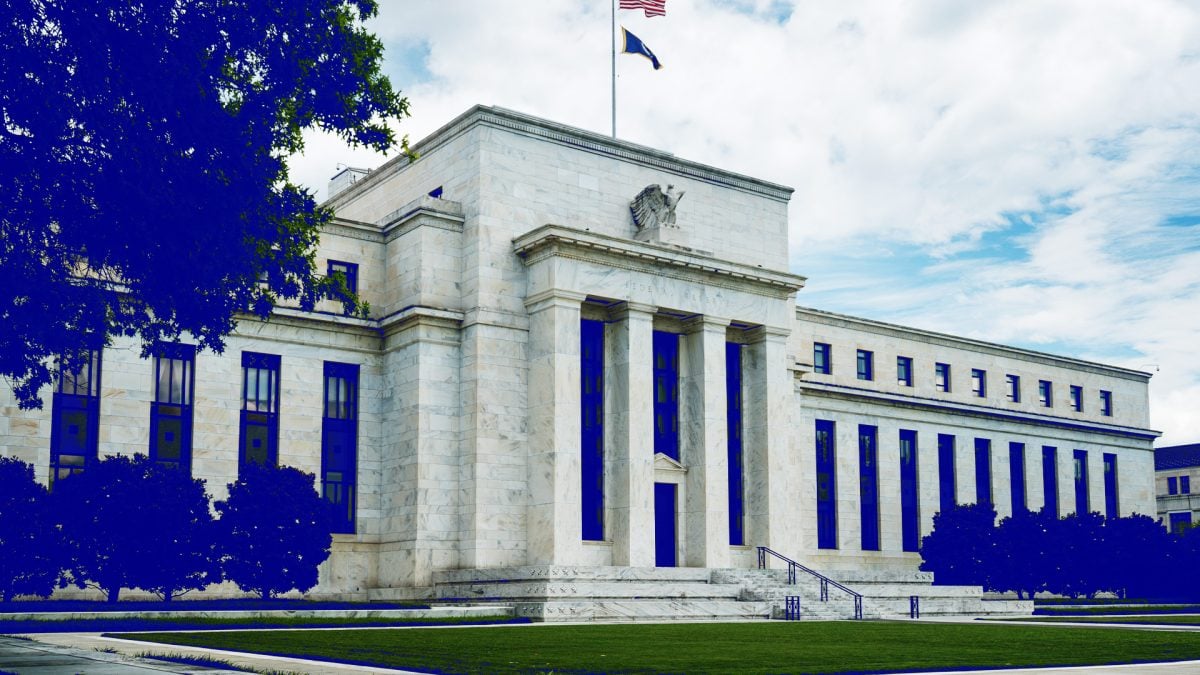
Led by the Federal Reserve Board, five US agencies proposed on June 18 that certain payment stablecoin issuers keep effective customer identification programs, putting a bank-style anti-money-laundering check at the front of the US framework for dollar-pegged tokens. For issuers, the signal is fairly plain: stablecoins may be getting a clearer place in mainstream finance, but not outside the identity-verification perimeter regulators already use for banks and money transmitters.
Issued with FinCEN and three other agencies, the proposal would carry out the GENIUS Act’s customer-identification requirement under the Bank Secrecy Act. Comments will stay open for 60 days after the rule appears in the Federal Register, the agencies said. Stablecoin firms have spent the past year selling the tokens as faster payments rails and cleaner settlement plumbing. Washington’s answer, at least in this proposal, is that wider acceptance comes with bank-style controls.
Regulators describe the rule as narrow and operational. It covers certain payment stablecoin issuers and the identification programs they would have to run to reduce illicit-finance risk. FinCEN said the proposal would create “an appropriately tailored regime” that mitigates illicit-finance threats while protecting the financial system and national-security interests. In market terms, that wording matters: the agencies are using familiar AML language, not the broader political shorthand of a crypto crackdown.
Governor Michael S. Barr, in a separate Federal Reserve statement, pointed to the harder debate. The current GENIUS Act framework still leaves a gap, Barr said, around activity after a stablecoin moves into the secondary market.
“the GENIUS Act regulatory framework does not do enough so far to address the risks of illicit finance conducted through secondary market transactions in payment stablecoins.”
Michael S. Barr, Federal Reserve
What the rule covers
Beyond the checklist, the proposal changes the perimeter. A customer identification program is a standard finance control, the sort of process banks and money services businesses already know well. Applying it explicitly to payment stablecoins is another step toward treating issuers less as a crypto carve-out and more as part of the regulated money system. That is a meaningful classification choice: the control belongs to ordinary bank compliance, not to the looser crypto supervision that followed earlier market failures. The proposal does not read like a blanket attack on digital assets. Its target is narrower: identity checks and illicit-finance controls for a product category policymakers increasingly want to use, but only on terms they can supervise.
That is the policy split.
Why the debate is widening
Washington has been moving toward a more workable federal path for payment stablecoins, a shift that has encouraged reserve products, banking partnerships and a broader institutional pitch around tokenised dollars. Now the Fed and its peer agencies are drawing the other side of that bargain. If stablecoins sit closer to payments and cash management, regulators want the onboarding discipline that comes with those functions.
For issuers, distributors and bank partners, compliance architecture can shape market structure as much as reserve composition or token design. A rule like this can affect which firms enter the market, which can absorb verification costs and how easily stablecoin products fit into conventional financial channels. Firms already built around know-your-customer systems will have an easier path than issuers that relied on lighter onboarding. The proposal is not only about illicit-finance risk. It is an early signal of the operating model Washington expects if stablecoins scale inside the US system.
Industry groups and issuers now have a 60-day comment period to argue over scope, implementation and cost before the rulemaking moves forward. For now, the Fed’s message is less about shutting the stablecoin market down than defining its price of admission. The GENIUS-era framework is taking shape. So is the compliance bill that comes with it.
Tomás Iglesias
Financial regulation and legal affairs. SEC, CFTC, FCA, market-structure and enforcement. Reports from Washington.