Bitcoin slips to 13th-largest asset as AI, metals rally
Bitcoin slipped to the 13th-largest asset as ETF outflows, AI-semiconductor gains and firmer metals prices redirected capital away from crypto.
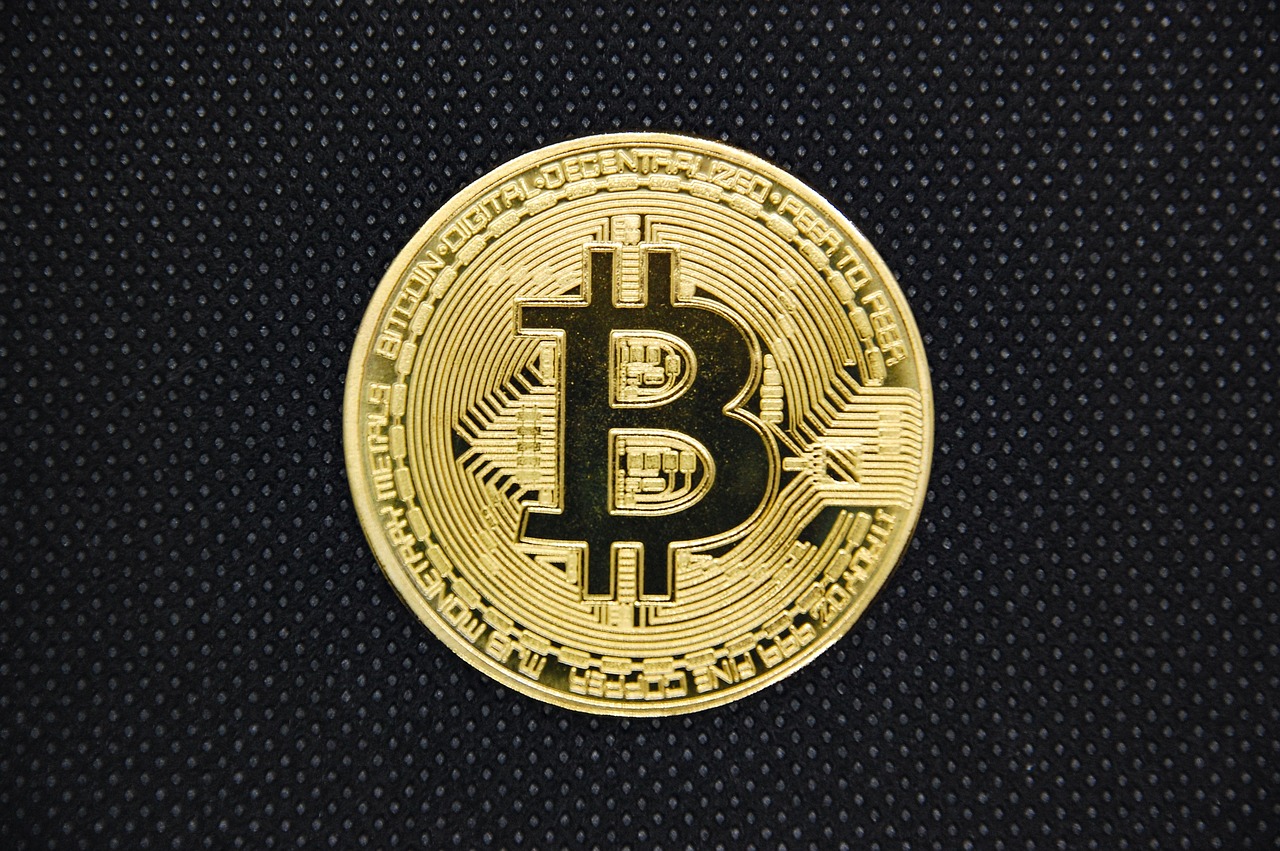
Bitcoin fell to the 13th-largest asset by market value on Wednesday, with its capitalisation at about $1.520 trillion after slipping behind Taiwan Semiconductor Manufacturing Co. and Broadcom in the global rankings, a move CoinDesk tied to fresh money flowing toward AI-linked equities and precious metals.
The headline matters because it says more than a one-day dip in Bitcoin (BTC). CoinDesk reported that the token is down 11 per cent year to date, while the same CompaniesMarketCap table now puts gold at $31.366 trillion and silver at $4.258 trillion. In 2026, the ranking reads like a capital-allocation scorecard: investors are still willing to own risk, but they want that risk attached either to hard assets or to businesses selling the compute behind the AI trade.
ETF holders read the same tape through a different lens. The Block reported that spot bitcoin ETFs shed $1.26 billion in the week through May 23, the heaviest drain since late January, and another outflow streak persisted into Tuesday. For holders who entered through the ETF complex, flows are setting the near-term range more than any single macro headline.
Even the latest geopolitical jolt left that hierarchy intact. Yahoo Finance noted that bitcoin and ether held relatively steady despite U.S.-Israel airstrikes. Steady prices, though, are different from leadership. If traders wanted immediate hedge exposure, the stronger read across markets was still the old one: buy the metal or buy the company that sells the shovels.
A relative-value vote
Across the current market-cap rankings, TSMC sits at $2.138 trillion and Broadcom at $1.998 trillion, both above bitcoin’s $1.520 trillion. That makes bitcoin’s drop easiest to read as a relative-return story. Investors have kept paying for AI exposure even after the first-quarter volatility that hit the sector, and they have kept paying because the story comes with revenue, margins and order books rather than with a single macro narrative.
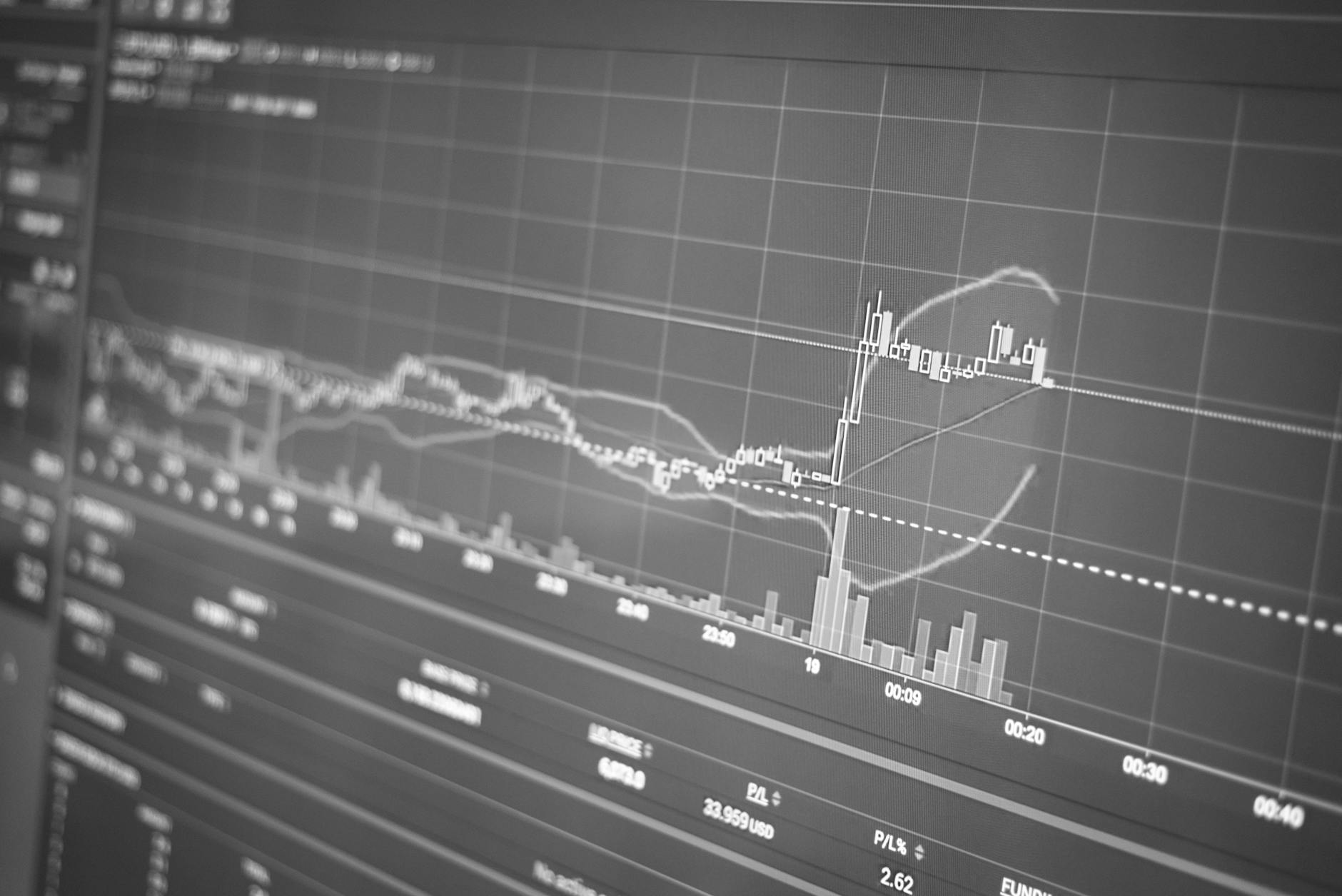
Put differently, bitcoin now has to outrun more than the rest of crypto. It has to outrun the equity names most directly linked to the datacentre build-out. That is a harder comparison than the one crypto investors used to make, because the winners in AI hardware are being valued on visible demand and cash generation. Bitcoin still depends far more on the next wave of marginal flows.
Months of price action built that comparison. In February, Reuters described a session defined by an AI-stock rout, lower bond yields and violent moves in silver, while a separate Reuters market report traced bitcoin’s own slump as traders watched the $70,000 level. The connective tissue is straightforward: when cross-asset markets turn defensive, bitcoin is still treated as a liquid risk trade before it is treated as a haven.
Meanwhile, the table is compressing very different risk premia into one ranking. Gold and silver can gain on inflation anxiety. TSMC and Broadcom can gain on spending visibility from hyperscalers. Bitcoin needs a broader story that can compete with both at once. A stable spot price alone cannot do that work.
From the skeptic’s side of the ledger, the metals comparison matters just as much as the semiconductor one. Gold’s $31.366 trillion market value and silver’s $4.258 trillion are larger by an order of magnitude and point to investors who still assign a premium to assets with a longer inflation-hedge history and a clearer place in stress portfolios. Bitcoin can keep the “digital gold” label in marketing decks. The market is still pricing the analogue version as the cleaner refuge.
Flows are setting the range
Institutional money is still in the market, but the mix of demand has changed. The Block’s reporting on last week’s $1.26 billion ETF outflow suggested a market where allocators were trimming rather than capitulating. Its follow-up analysis argued the move looked more like rotation than exit, which fits the broader cross-asset tape better than a simple risk-off explanation.
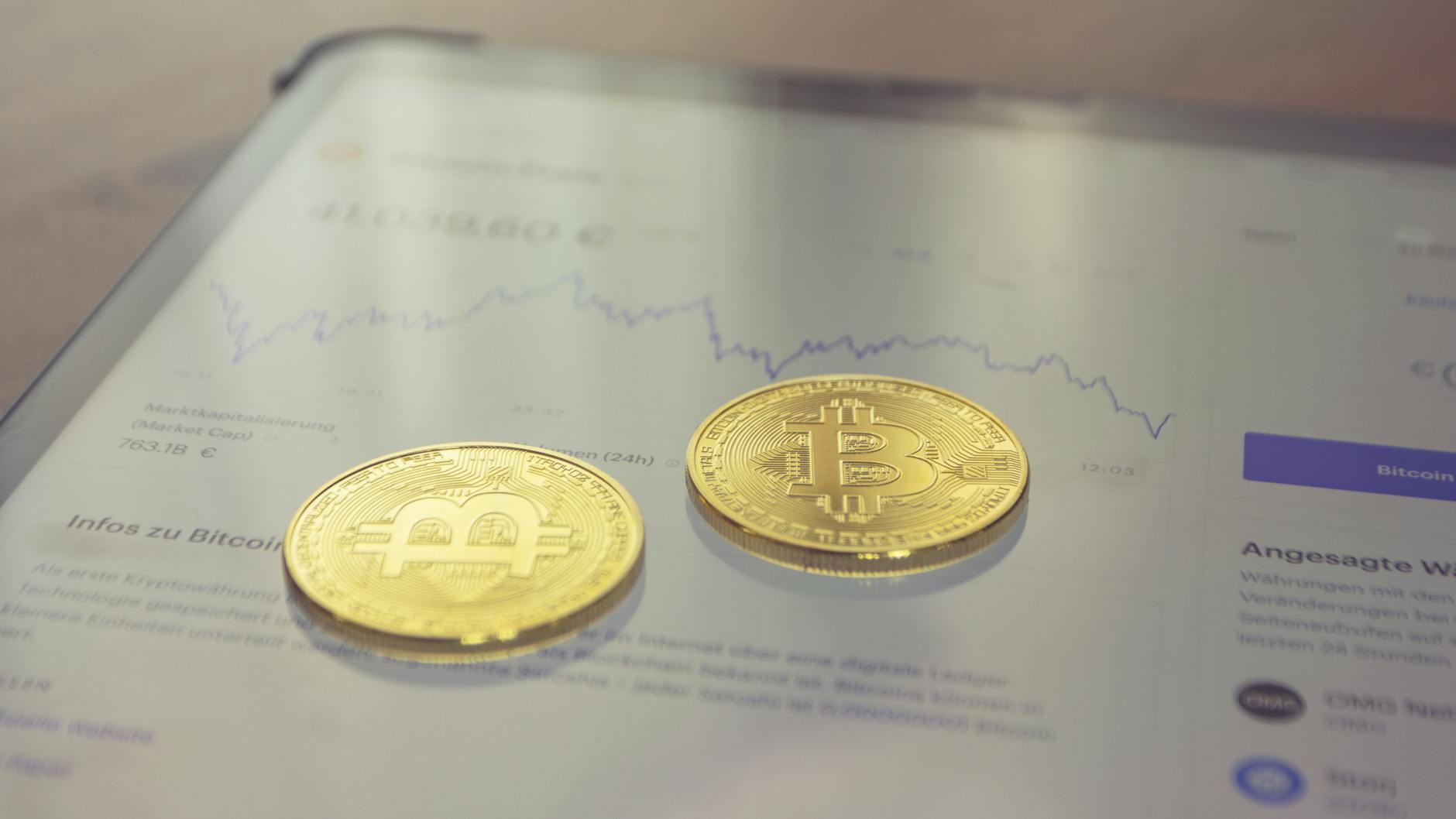
Bloomberg framed the same behaviour more bluntly, reporting that for bitcoin ETF holders, a market recovery had become a reason to sell. That line helps explain why rallies have struggled to turn into a sustained trend. The ETF wrapper broadened access to bitcoin, but it also made trimming easier for portfolio managers who measure every position against other liquid trades on the screen.
Rotation is harder to reverse than panic. Panic can be washed out by one macro surprise or one strong inflow day. Rotation requires bitcoin to compete again for portfolio space against assets that are already working. If AI-linked equities keep offering visible revenue growth and metals keep absorbing hedge demand, bitcoin needs a fresh catalyst rather than a calmer mood.
Elsewhere, there are still pockets of sponsorship. The Block reported that Strive bought another $85.4 million of bitcoin, overtaking Coinbase and Riot in its treasury ranking. Balance-sheet demand remains supportive, but its scale is smaller than the ETF complex. Treasury accumulation in the tens of millions can help at the margin; ETF withdrawals in the billions still dominate the short-term price discovery that decides where bitcoin sits in the global pecking order.
What 13th place says about 2026
Across this cycle, investors are still taking volatility. The question is where. In one bucket sit AI semiconductors and the infrastructure trade around them, where the bull case runs through earnings, order books and datacentre spending. In another sit gold and silver, where the case runs through inflation protection, geopolitics and monetary distrust. Bitcoin is still being asked to defend its place between those two narratives.
Crucially, the market no longer has to choose between growth and defence in a single instrument. AI semis offer operating leverage to capital spending. Metals offer a familiar shelter when macro headlines darken. Bitcoin sits in the middle, liquid enough to sell and volatile enough to tempt buyers, but short on the kind of earnings visibility or centuries-old store-of-value status that keep money parked for long.
Inside crypto, the squeeze is visible as well. The Block’s recent market note framed the market as range-bound, with rallies meeting selling pressure before they turn into a new trend. At the same time, some of the public-market companies that once offered pure bitcoin exposure are broadening the pitch. TeraWulf’s latest data-centre acquisition is one example of former mining names leaning into HPC and AI services. When even crypto-adjacent equities start chasing the compute trade, the message is hard to miss.
Another way to read the ranking is as a test of bitcoin’s next constituency. A rebound driven by crypto-native buyers would probably lift price without changing the broader story. A rebound driven by ETF inflows, new treasury allocation or a cleaner macro case against fiat debasement would look different, because it would put bitcoin back into direct competition with the assets that have taken its place above it.
For now, the table is delivering a clear verdict. Capital is rewarding hard assets and cash-flowing compute more aggressively than crypto beta. A turn in ETF flows, a sharper dollar selloff or a clean resurgence in crypto risk appetite could lift bitcoin back up the list quickly. Until one of those shifts arrives, 13th place looks less like an anomaly than a snapshot of what investors actually want in mid-2026.
Caleb Mwangi
Crypto correspondent covering bitcoin, ether, altcoins and on-chain markets. Reports from Singapore.