Bitcoin inflation hedge faces ETF-flow stress test
Bitcoin inflation hedge trades look shakier as ETF outflows, higher yields and gold's lower volatility expose the risks in digital-gold positioning.
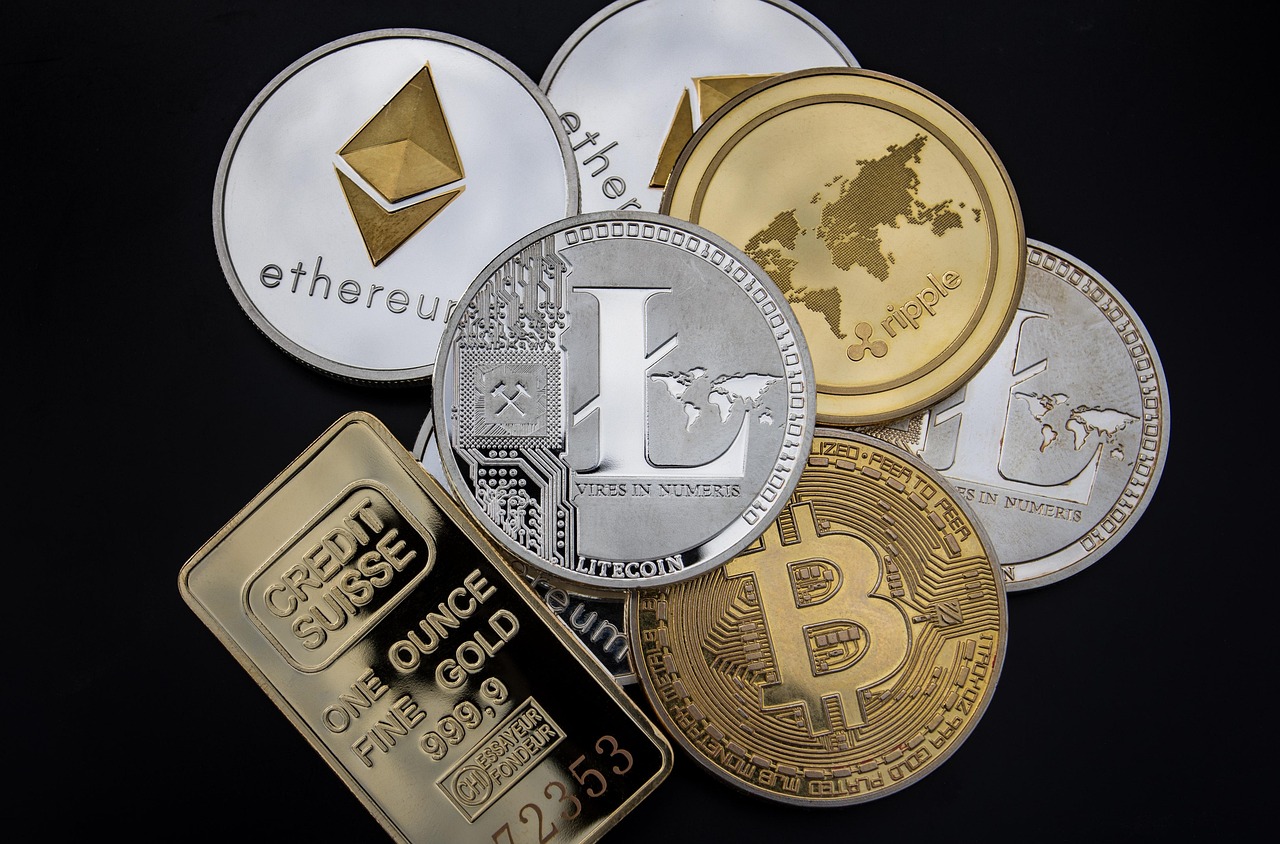
For Bitcoin, the inflation-hedge pitch now has a practical problem: the exit route. Investors have treated Bitcoin (BTC) as the digital answer to bullion, scarcer and easier to move, with a cleaner link to distrust in fiat money. Recent trading points to a narrower conclusion. Bitcoin can still be a long-run scarcity trade; over shorter windows, it is a messy hedge when yields rise, ETF flows reverse and liquidity matters more than ideology.
Start with the numbers. U.S. consumer prices were up 3.8 per cent from a year earlier in April, yet Bitcoin was down 24 per cent over a comparable one-year stretch while gold had risen 47 per cent, according to the Yahoo Finance and Motley Fool analysis that revived the bitcoin-versus-gold question. Those figures do not settle the long-term case for either asset. They do show how costly it can be to confuse a supply story with a hedge.
Gold is hardly pure inflation insurance, and Bitcoin is not just speculation. A recent MarketWatch analysis argued that the metal’s selloff during the Iran war exposed how unstable the geopolitical-hedge narrative can be. Market structure is the sharper distinction. Bullion’s flaws tend to show up as slow, familiar disappointments. Bitcoin’s arrive through a 24-hour market, margin-heavy holders and ETF pipes that can transmit de-risking almost immediately.
The hedge is still a trade
Analysts looking at the current rotation start with a blunt question: if Bitcoin is being bought as inflation insurance, why did it trade more like a liquidity asset when the macro backdrop tightened? CNBC described the same problem in its early-June price coverage, noting that Bitcoin had lost both of its dominant narratives at once.

“It’s not acting as digital gold that benefits from geopolitical uncertainty, nor is it acting like an inflation hedge.”
CNBC, June 4
June should have offered the cleanest test for the inflation-hedge argument. With prices still hot and geopolitical risk elevated, the digital-gold trade was supposed to gather force. Instead, CNBC reported that Bitcoin was weathering its ugliest week in months as liquidity rotated elsewhere. A separate CNBC dispatch two days earlier said Bitcoin had dropped back under $70,000, while MarketWatch later put the intraday low at $59,666.
Scarcity still matters. Bitcoin’s fixed supply remains the core reason institutions and long-term holders treat it differently from other risk assets. Yet the fixed-supply argument is slow, and the trading channel is fast. When investors need to cut exposure, a 21 million-coin cap does not stop spot ETFs from selling, momentum funds from stepping away or high-conviction holders from becoming marginal sellers.
Treating Bitcoin as a clean substitute for gold is where the risk begins. Both assets can share a debasement narrative while behaving differently in the time frame that matters to a portfolio manager. Gold is volatile by the standards of traditional reserves. Bitcoin is volatile by the standards of risk assets. For inflation hedges meant to preserve purchasing power through stress, that gap is not a footnote.
ETF plumbing matters
Spot bitcoin ETFs have made the asset easier to own and easier to leave. That helps adoption and weakens simple narratives. The same wrapper that lets allocators buy Bitcoin exposure through regulated securities lets them trim that exposure when payrolls, yields or risk budgets move against them.

Flows have been doing real work. The Block reported that U.S. spot bitcoin ETFs logged about $1.72 billion of weekly net outflows, the largest weekly withdrawal since February 2025, with macro headlines and a stronger-than-expected jobs report cited as drivers. CNBC separately noted a 13-day outflow streak in the same period. For an asset whose institutional bid has been framed through ETFs, that is not background noise. It is the transmission mechanism.
Jeff Ko of CoinEx put the shift in plain terms in The Block’s reporting on ETF outflows and a large IBIT trade:
“ETF flows today reflect portfolio rebalancing, macro hedging, and tactical de-risking.”
Jeff Ko, CoinEx
His framing answers the key question for investors who want Bitcoin to function as insurance. ETF demand is not one kind of money. It includes long-term allocators, macro hedgers, tactical funds and traders using liquid products to express a short-term view. Once the macro impulse flips, those holders do not all behave like believers in digital scarcity. Some behave like anyone else facing a drawdown.
JPMorgan’s angle reinforces the point. The Block reported that Nikolaos Panigirtzoglou and JPMorgan colleagues saw bitcoin and gold ETF outflows as evidence that the so-called debasement trade was cooling. That matters more than a bitcoin-versus-gold scorecard. If investors are pulling money from both assets, the story is not simply that one hedge beat the other. The macro trade binding them together has become less compelling.
Gold’s weakness is different
Skeptics should not pretend gold is a perfect hedge. MarketWatch’s analysis of gold’s drop during the Iran conflict made the point forcefully. Since Feb. 27, the day before the conflict began, gold prices had tumbled about 18 per cent, a move that sits awkwardly beside the idea that gold always rises when geopolitical risk does.
Still, an imperfect hedge is different from one whose volatility can dominate the signal. Gold can disappoint because real yields rise, the dollar strengthens, positioning gets crowded or investors liquidate winners to raise cash. Bitcoin can do all of that and add crypto-specific pressure: exchange liquidity, ETF-flow reversals, liquidation pressure, stablecoin plumbing and the attention cycle that pulls speculative capital from one theme to the next.
MarketWatch captured that last problem in its coverage of fading crypto momentum:
“Crypto is an attention asset — but the AI trade is sucking the blood out of crypto.”
MarketWatch, June 5
Colorful as that line is, the market point is serious. A hedge that depends partly on attention is vulnerable when another theme absorbs the market’s marginal risk appetite. Pension funds do not want protection to behave that way. A satellite allocation or a long-dated debasement bet can tolerate it. A clean inflation hedge for the next CPI print has a harder case.
A more useful hierarchy follows. Bitcoin may offer stronger upside if the debasement trade returns and investors again reward hard-supply assets. Gold may offer a less explosive, less digitally native version of the same distrust. Cash and short-duration Treasury bills may beat both over brief windows if real yields stay high. Holding period matters more than the slogan.
The trade can still work
For Bitcoin bulls, the encouraging version of the story is that the recent weakness is partly mechanical. ETF outflows can reverse. Rate expectations can shift. A weaker dollar or a fresh inflation scare could quickly revive the argument that a scarce digital asset belongs beside gold in institutional portfolios. The 2024 and 2025 ETF adoption cycle already proved that regulated access can bring large pools of capital into Bitcoin when the macro backdrop cooperates.
Mechanics cut the other way too. Investors who buy Bitcoin for gold-like inflation protection may be forced to sell at exactly the wrong time if the asset behaves like high-beta liquidity exposure instead. That mismatch is what matters. A portfolio does not suffer because Bitcoin lacks a grand narrative. It suffers when the narrative promises stability and the price delivers drawdown.
Seen that way, the bitcoin-over-gold argument is weaker as a binary choice than as a timing problem. Bitcoin can be a debasement trade, a liquidity trade, a technology adoption trade and a speculative momentum trade, sometimes in the same month. Gold is not immune to crowding or myth-making, but it carries fewer moving parts.
Allocators therefore have a narrower question than whether Bitcoin has replaced gold. Can they afford the path Bitcoin may take before the inflation-hedge thesis pays out? If the answer depends on ETF inflows staying positive and volatility staying contained, then the trade is not really insurance. It is a risk asset wearing an insurance label.
Caleb Mwangi
Crypto correspondent covering bitcoin, ether, altcoins and on-chain markets. Reports from Singapore.