US regulators clear large-bank living wills after 2024 flaws
The Federal Reserve and FDIC found no shortcomings in 64 living-will plans, saying the biggest banks had fixed previously flagged resolution weaknesses.
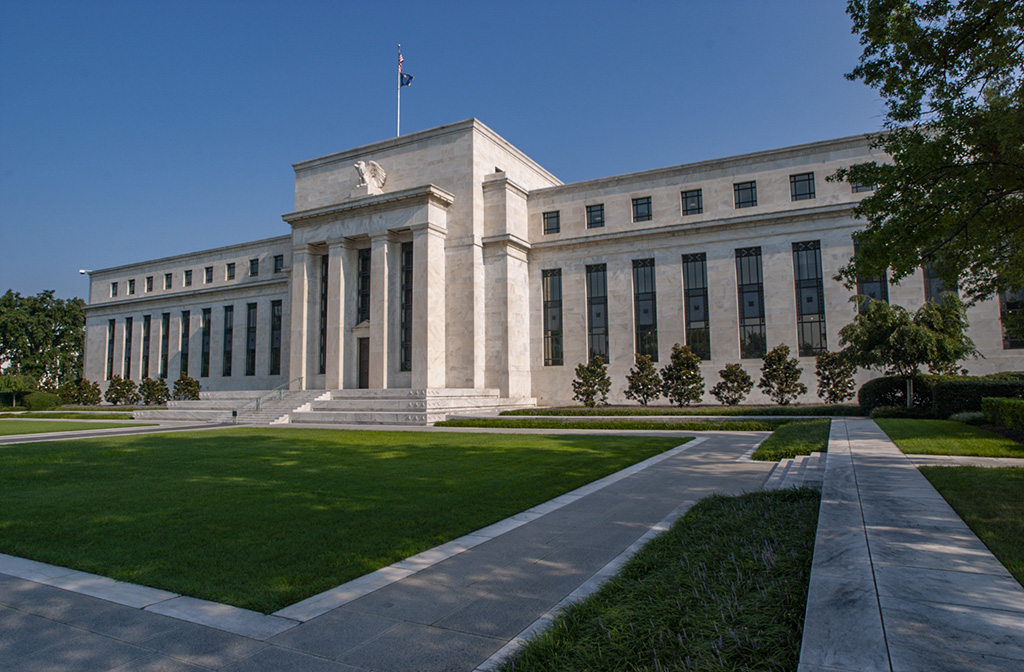
The Federal Reserve and the FDIC said Thursday they found no shortcomings or deficiencies in 64 living-will submissions filed for 2025, covering eight of the largest US banks and 56 foreign banking organizations. The finding gives the biggest lenders a clean supervisory review on plans meant to show how they could fail without wider market disruption.
Living wills are the road maps regulators use to judge whether a failed bank could move through bankruptcy while keeping critical operations open and without forcing a public rescue. A clean letter is not a live test, but it does signal that officials are more comfortable with the post-crisis resolution framework than they were a year ago.
In their joint feedback letters, the agencies said the 2025 plans did not warrant formal criticism. That wording matters. A formal shortcoming or deficiency means supervisors think a bank still has material gaps in its plan for an orderly failure.
“The agencies did not identify any shortcomings or deficiencies in these resolution plan submissions,” the Federal Reserve Board and the FDIC said.
The review was broad. It covered 64 plans in all, including the biggest domestic lenders and foreign banks with sizable US operations. The agencies publish these feedback letters each cycle, but markets pay more attention when banks have already been singled out for weaknesses.
Last year’s weak spot
Thursday’s result also closes out a more pointed exchange from 2024. Reuters reported in June 2024 that US regulators had found weaknesses in the 2023 living-will submissions from Bank of America, Goldman Sachs, JPMorgan Chase and Citigroup, centred on how those firms modelled derivatives exits in resolution. The Federal Reserve said this week those issues had been satisfactorily addressed.
That matters because derivatives unwinds are one of the messiest parts of a large-bank failure. They force quick decisions on collateral, counterparties and funding, often over a compressed weekend, which is why supervisors treat them as a real stress point rather than a drafting detail.
The clean verdict therefore carries more weight than a routine administrative sign-off. Regulators had already pointed to a specific weak spot at four of the biggest banks and now say the firms fixed it. That suggests more confidence in the mechanics behind the plans, not just the paperwork.
Bank investors were not handed new capital demands or enforcement actions in this round. The message was narrower: the plans passed review, and the supervisory bar remained focused on resolution mechanics.
It does not settle the bigger question of whether a living will that works on paper would still hold in a real funding shock or a disorderly bankruptcy. What it does show is that the annual review is starting to look more like steady supervision of systemic plumbing than a periodic flashpoint for the industry.
For banks, the letters remove one source of supervisory friction. For regulators, they are a narrow test of credibility for a framework built after the financial crisis, with the harder proof still reserved for a moment when markets are under real strain.
Tomás Iglesias
Financial regulation and legal affairs. SEC, CFTC, FCA, market-structure and enforcement. Reports from Washington.