M-Pesa tax 2026: Kenya's 16% VAT plan threatens growth
M-Pesa tax worries are rising as Kenya's proposed 16 per cent VAT on payment platforms threatens volumes, margins and mobile-money adoption.
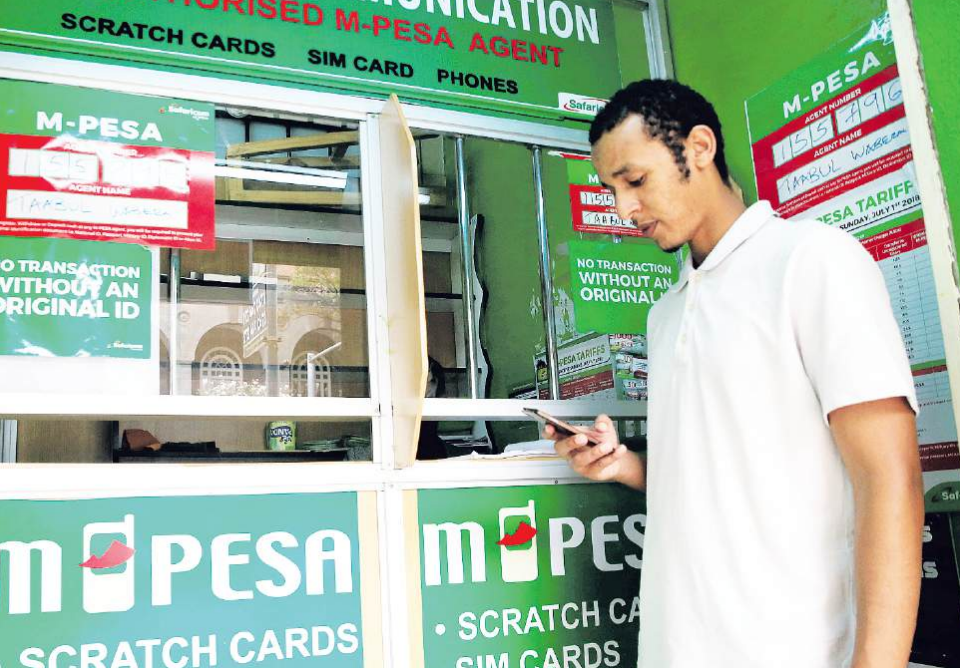
Kenya’s Finance Bill 2026 would impose a 16 per cent value-added tax on payment-platform services, a proposal that analysts say could slow growth at Safaricom’s M-Pesa and raise the cost of everyday digital transfers. The measure, set out in the Finance Bill 2026, lands on one of Africa’s most important mobile-money systems as Nairobi leans harder on digital rails for commerce, remittances and tax collection.
The proposal goes beyond a routine revenue change. Semafor reported that President William Ruto’s administration is pursuing the levy as it searches for new revenue. For payments investors, the question is how much extra friction a mature mobile-money market can take before users change habits.
Treasury director-general of budget Albert Mwenda said in Techweez’s analysis that “the person who supplies ICT to enable payments, including PayBills or Tills, is the one subject to VAT”. That distinction matters because it frames the tax as a levy on payment infrastructure rather than a single retail charge. Providers can still try to pass part of that cost through merchant fees, bill payments and small-value transfers if they want to protect margins.
“the person who supplies ICT to enable payments, including PayBills or Tills, is the one subject to VAT”
— Albert Mwenda, Treasury director-general of budget, via Techweez
Why the fee matters
Techweez said M-Pesa had 37.91 million monthly active users in Kenya and processed KES 41.7 trillion across 46.4 billion transactions in the year ended March 2026, with transaction volume up 25 per cent.
That scale makes M-Pesa part of Kenya’s national payments infrastructure rather than just another consumer app. When fees rise on a system that large, households, merchants and informal traders all feel it.
Behaviour is the first risk. Ken Gichinga, chief executive of Mentoria Economics, told Semafor the proposal would “disincentivize the use of M-Pesa and other mobile money services”. TechTrendsKE reported similar concern from the industry, including warnings that heavier charges could revive “mattress banking” by nudging some low-value activity back into cash. Mobile money gained share in Kenya because it was cheaper, faster and easier to track than cash, especially for small transfers where even a modest fee increase can change usage.
The proposal also does not arrive alone. Semafor said the Finance Bill includes a proposed 25 per cent excise duty on mobile phones. That would raise the cost of the device as well as the cost of using the payment rail. In a market that expanded by moving financial services onto inexpensive handsets, taxing both the hardware and the service could squeeze adoption from both sides.
Competition is the second risk. Semafor said M-Pesa’s share of Kenya’s mobile-money market had slipped to 89 per cent in September 2025 from 97 per cent in 2023. A new tax would not erase the platform’s reach, but it would hit a mature franchise where price sensitivity is rising and rivals such as Airtel Money have more room to compete on cost. For investors, the issue is whether the levy speeds up a slower-growth phase for a business that still carries much of Safaricom’s mobile-money economics.
What it means for Kenya
Kenya also risks taxing the channels that have helped formalise parts of a heavily informal economy. In a related analysis, Semafor argued that digital tax collection across Africa is colliding with the realities of informal commerce, where adoption can stall if governments make formal payment routes more expensive than cash. That tension is especially sharp in Kenya because M-Pesa sits at the intersection of consumer payments, merchant settlement and remittance flows.
Parliament will decide the final shape of the bill, but the market signal is already clear. A 16 per cent VAT on payment-platform services would test the resilience of Kenya’s digital-payments model at system scale. If the bill passes in anything close to its current form, the pressure point for M-Pesa is likely to be growth rather than relevance.
Naomi Voss
Banks and deals reporter covering bank earnings, fintech, M&A and IPOs. Reports from New York.