House probe puts Kalshi, Polymarket under insider-trading scrutiny
A House insider-trading probe into Kalshi and Polymarket shifts Washington's prediction-market fight toward surveillance, user records and compliance controls.
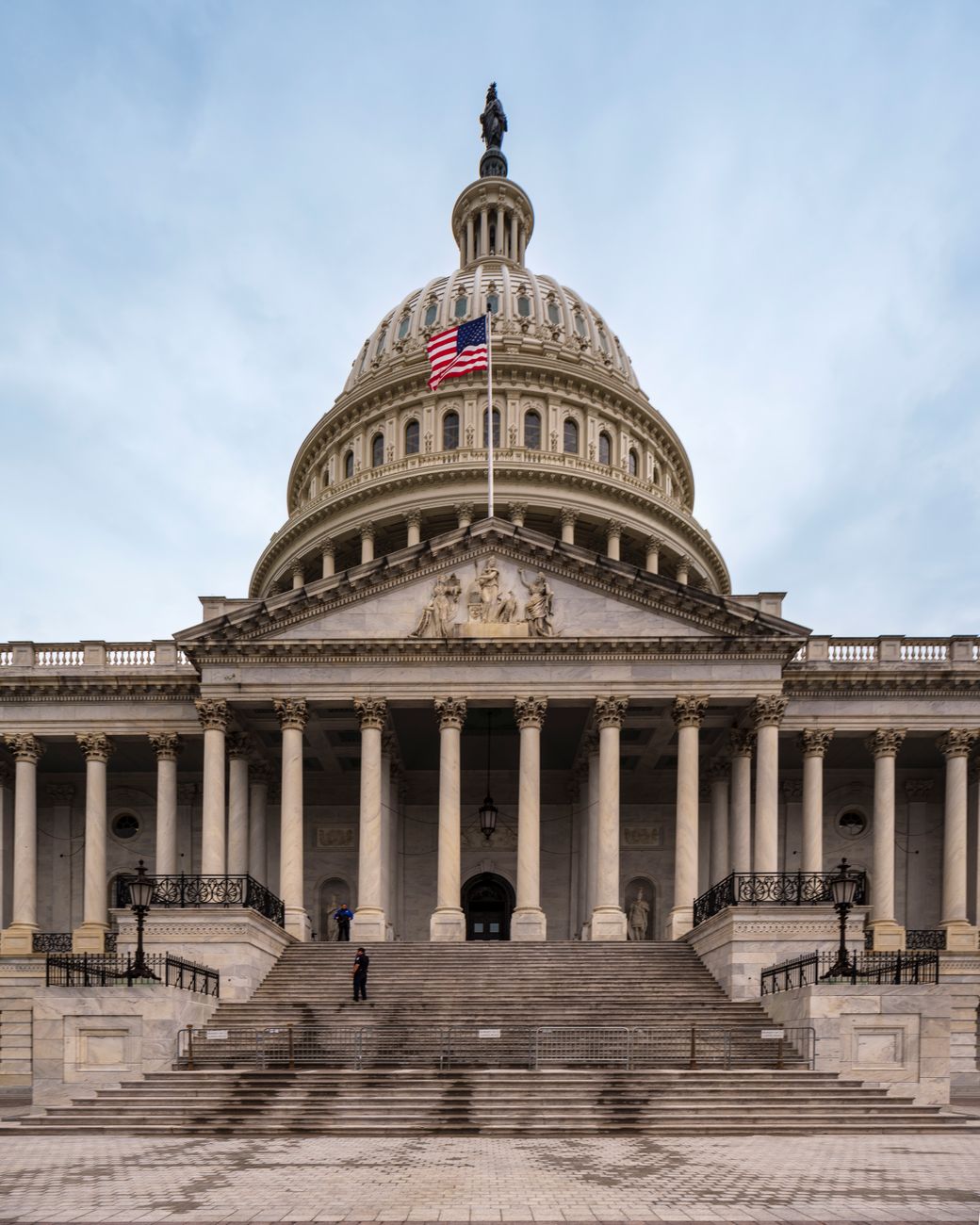
James Comer, the Republican chair of the House Oversight and Government Reform Committee, opened an insider-trading probe into Kalshi and Polymarket on Thursday, pushing Washington’s fight over prediction markets toward surveillance and user records rather than the legality of the contracts themselves.
His letter gives the companies until June 5 to produce material showing how they police suspicious trading and whether they can identify users who may have traded on nonpublic information.
Congress is now asking a narrower, harder question. Can the platforms trace a questionable wager to a real person, reconstruct what happened and show why the trade was allowed to stand?
CNBC, in its report on Comer’s letter, said Comer described internal records as the key evidence trail for any later enforcement case. “Internal records held by prediction market platforms are the only means by which bad actors can be identified and to determine whether platforms are meeting their legal obligations,” Comer said.
The letter also turned to cross-border risk. Comer asked whether Kalshi’s expansion into 140 countries has outpaced the controls tied to domestic event contracts and whether offshore users face the same identity checks and insider-trading restrictions.
Earlier Democratic pressure is part of the backdrop. The Hill reported that seven House Democrats had already urged Comer to subpoena both platforms after suspicious trading around politically and militarily sensitive events. “The American public has a legitimate interest in knowing whether individuals entrusted with classified national security information have used that access for personal financial gain,” the lawmakers wrote in the letter cited by The Hill.
Why Congress is zeroing in
An insider-trading review is more operational than the sector’s usual legality dispute. It focuses on surveillance systems, escalation procedures and customer records that could show who traded, when they traded and what they may have known before a market-moving event became public.
Lawmakers also have a recent example in hand. Reuters reported in April that Kalshi suspended three US congressional candidates over what it called political insider trading, giving critics a concrete case for arguing that election-style contracts can create risks closer to securities abuse than political speech.
The House’s broader posture has shifted at the same time. NPR reported that lawmakers recently stepped back from an outright ban on prediction markets despite bipartisan calls for one. If Congress is not prepared to outlaw the business model, it can still demand proof that the compliance systems behind it are strong enough to justify continued growth.
That leaves Kalshi and Polymarket with slightly different problems. Kalshi has pitched itself as the regulated US face of prediction markets, while Polymarket’s scale and visibility make it the easiest name to invoke when lawmakers want to illustrate how sensitive information could become tradable advantage.
By June 5, the argument in Washington may depend less on speeches than on documents, from account controls and surveillance alerts to identity-verification policies and records showing how suspicious trades were handled. Thin files would push the debate away from a jurisdictional fight and toward a market-integrity case.
Tomás Iglesias
Financial regulation and legal affairs. SEC, CFTC, FCA, market-structure and enforcement. Reports from Washington.