China data centres deal: buyout funds eye $1bn exit
China data centres deal talks have entered the final stretch as Princeton Digital Group weighs a sale of its mainland assets for about $1 billion.
Princeton Digital Group, the Singapore-based data-centre operator backed by Warburg Pincus, is exploring a sale of its China portfolio for as much as $1 billion, a process the Financial Times said could become one of the clearest recent private-equity exits from Chinese digital infrastructure. If completed, the transaction would do more than set a price for a politically sensitive asset base. It would show how foreign capital is still extracting value in China: by selling strategic holdings rather than doubling down on them.
For buyout firms, that is the broader read-through. PDG’s process suggests sponsors may still be able to cash out of China assets, but only selectively and with less appetite to treat mainland data centres as ordinary infrastructure. Buyers may still want scale. What looks harder is persuading investors to sit in these assets for another long stretch.
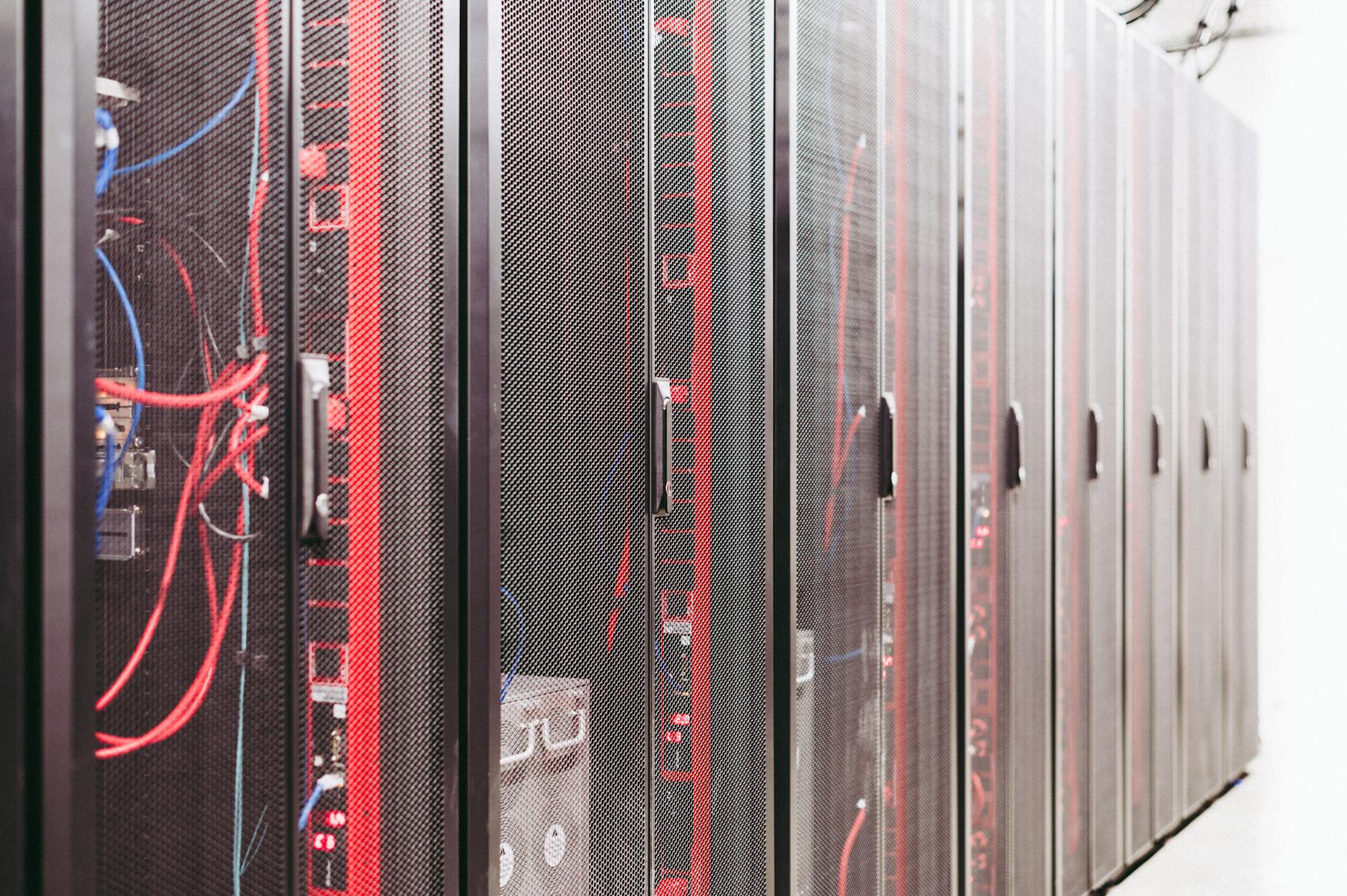
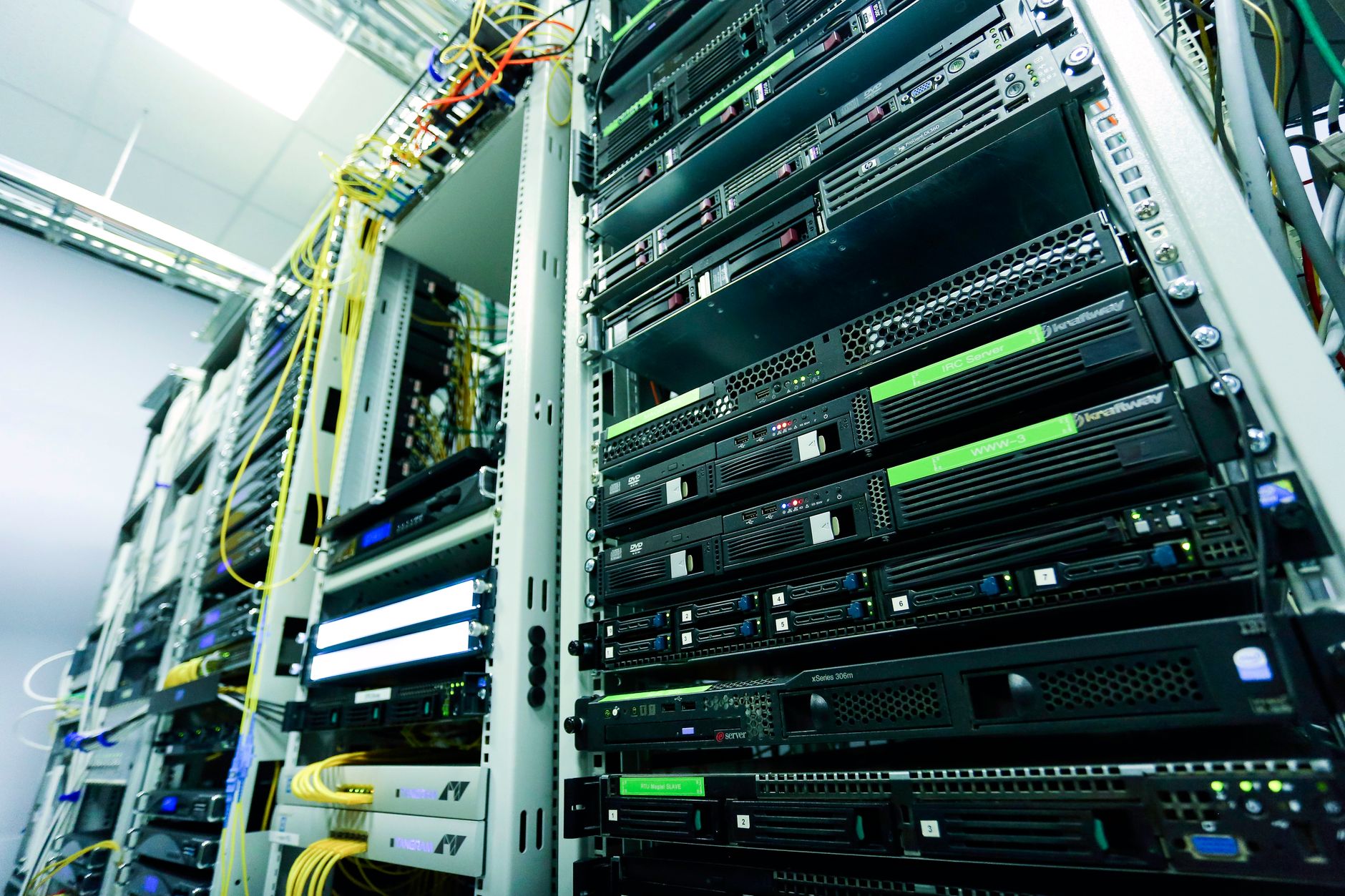
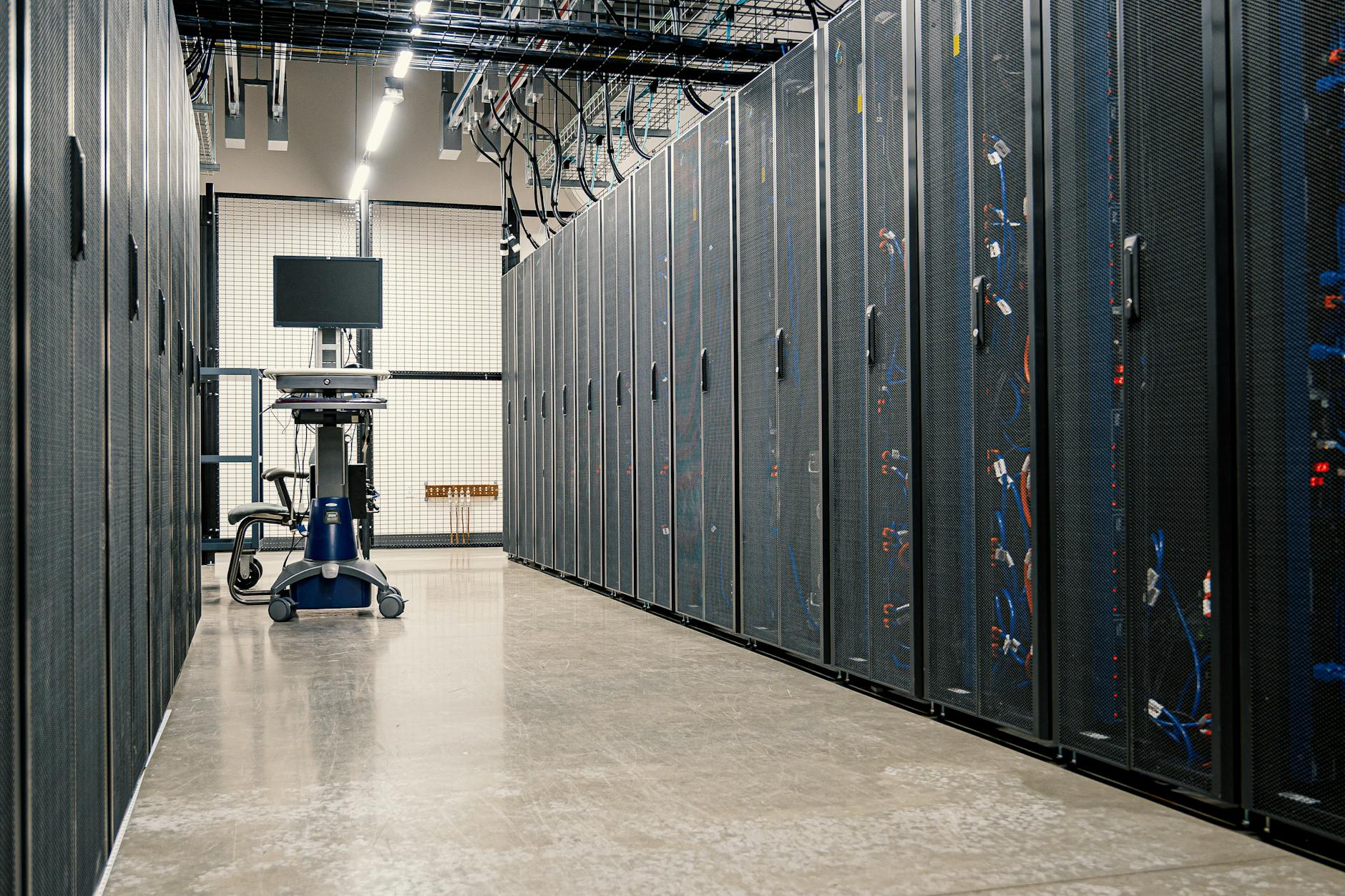
PDG’s own China portfolio lists facilities in Nanjing, Shanghai and Beijing. Data Center Dynamics said the mainland platform totals 286 MW, enough to matter in a market where power access, customer stickiness and existing capacity tend to shape valuations more than simple property comparisons. That scale helps explain why the assets could still draw a 10-figure price even as ownership of the infrastructure has become more politically fraught.
The timing is notable because PDG is still raising money for expansion elsewhere in Asia. Data Center Dynamics reported that the company closed $350 million of debt financing in March to support new capacity development and raised another $856 million two weeks later for a Jakarta campus buildout. Founded in 2017, PDG has kept expanding as cloud and AI-related demand lifted appetite for data centres in markets with fewer political complications than mainland China. Selling in China would look less like a retreat from the sector than a shift in where management and its backers want fresh capital to work.
Why the timing matters
In deals terms, that distinction is important. Data centres have long attracted infrastructure and buyout money because they come with contracted customers, heavy upfront build costs and demand tied to cloud workloads. In China, though, the assets sit nearer to questions of data storage, network resilience and technology sovereignty. That is why the FT’s description of the portfolio as politically sensitive digital infrastructure matters. It moves the story away from routine asset rotation and toward the risks foreign owners still want to carry.
A mooted $1 billion valuation also suggests there is still a bid for scale. That part matters as much as the exit. If a buyer is willing to pay up for a sizeable platform, the implication is not that political sensitivity has erased value. It is that the universe of comfortable owners has narrowed and the likely holding period has shortened.
That, in turn, is why the story is better read as capital allocation than as another generic China-tech crackdown recap. On the available evidence, PDG is not pulling back from regional growth. The financing trail outside China points the other way. The company appears to be deciding whether sponsor capital is better used in mainland capacity or recycled into expansion in other Asian hubs.
Across the broader cross-border market, the process is a useful signal. China data centres once looked like a familiar infrastructure trade: raise capital, secure power, add customers and exit at scale. A completed PDG sale would suggest that playbook still works, but in narrower form. Sponsors may still be able to build, aggregate and sell. What looks less attractive now is staying in sensitive mainland infrastructure for years.
Much remains unsettled, including the identity of any buyer and whether a final agreement lands at the top end of the range. Even so, the process already offers a live pricing test for Chinese digital infrastructure. It also gives a clearer sense of how global buyout money is approaching sensitive assets: still interested in value, still focused on scale, but less willing to stay indefinitely.
Naomi Voss
Banks and deals reporter covering bank earnings, fintech, M&A and IPOs. Reports from New York.