Southeast Asia PE deal value jumps 2.5x to $9.2bn in first quarter
Private equity dealmaking in Southeast Asia hit $9.2 billion in Q1 2026, the highest quarterly total in five years, driven by three megadeals in digital infrastructure. Exit proceeds also jumped 75 per cent to $1.7 billion.
Southeast Asia’s private equity deal value reached $9.2 billion in the first quarter, a 2.5-fold increase from the same period a year earlier and the highest quarterly total in five years, according to data published Monday by EY-Parthenon.
The surge was almost entirely driven by three megadeals in digital infrastructure. Together they pushed deal count to 19 transactions — up 36 per cent from 14 in the first quarter of 2025. For dealmakers who spent the preceding two years navigating a stubborn exit backlog and sharply higher financing costs, the quarter marks a decisive break. Growth-stage funding, in particular, had all but frozen across the region.
“SEA seems firmly back in deal-making mode,” Luke Pais, EY-Parthenon’s Asean private equity leader, said in the report accompanying the data. “Despite macroeconomic headwinds, investment momentum is strong, with capital flowing across sectors. Crucially, exits are gaining traction, restoring confidence and liquidity to the system.”
Infrastructure dominates
Infrastructure captured 77 per cent of total deal value. Across the six Asean economies tracked, Singapore alone accounted for 94 per cent of regional deal value — a concentration that reflects the city-state’s deepening role as both a financial hub and the physical anchor for Asia’s expanding data-centre footprint. No other market in the region registered more than a single-digit share.
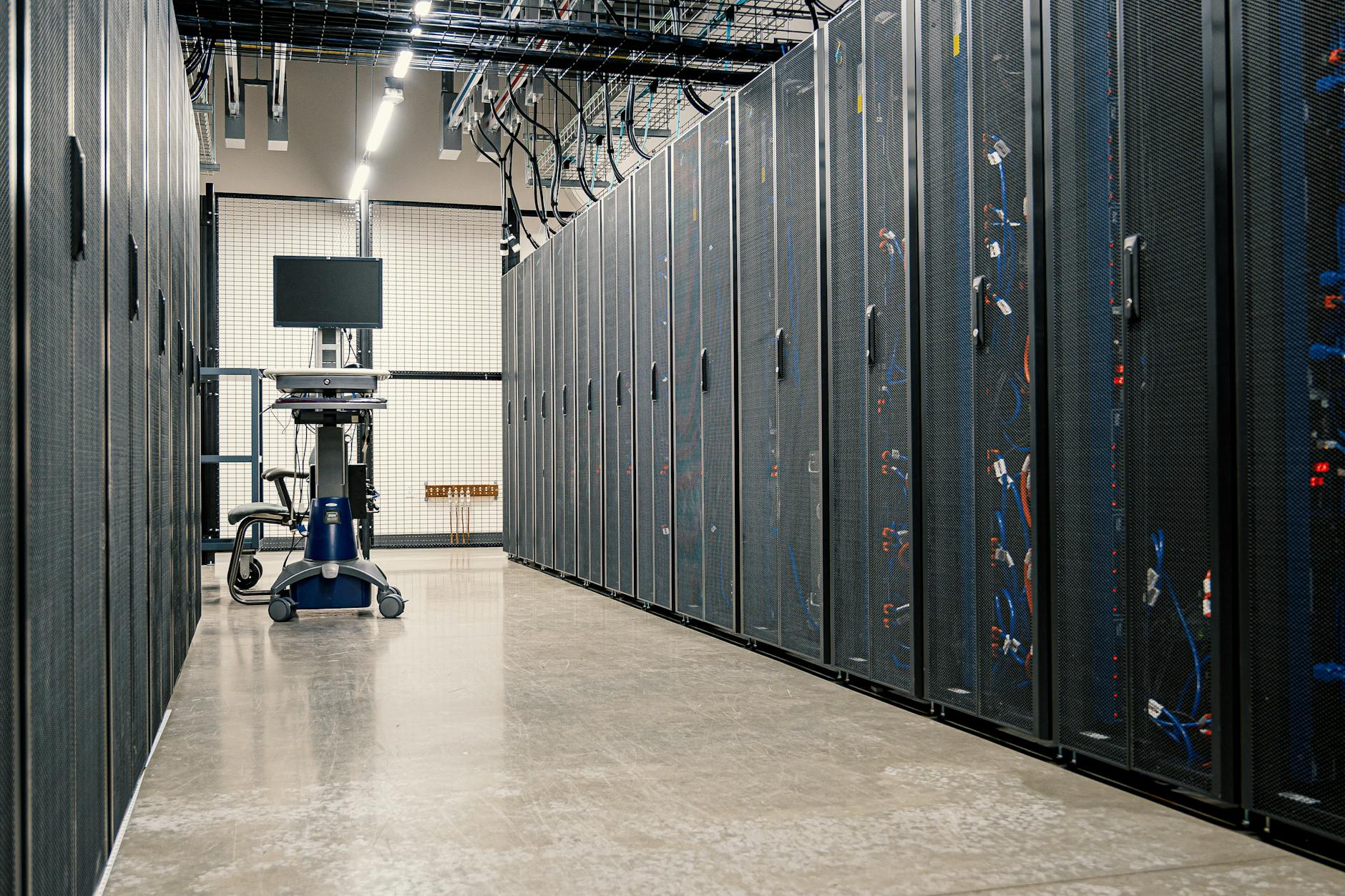
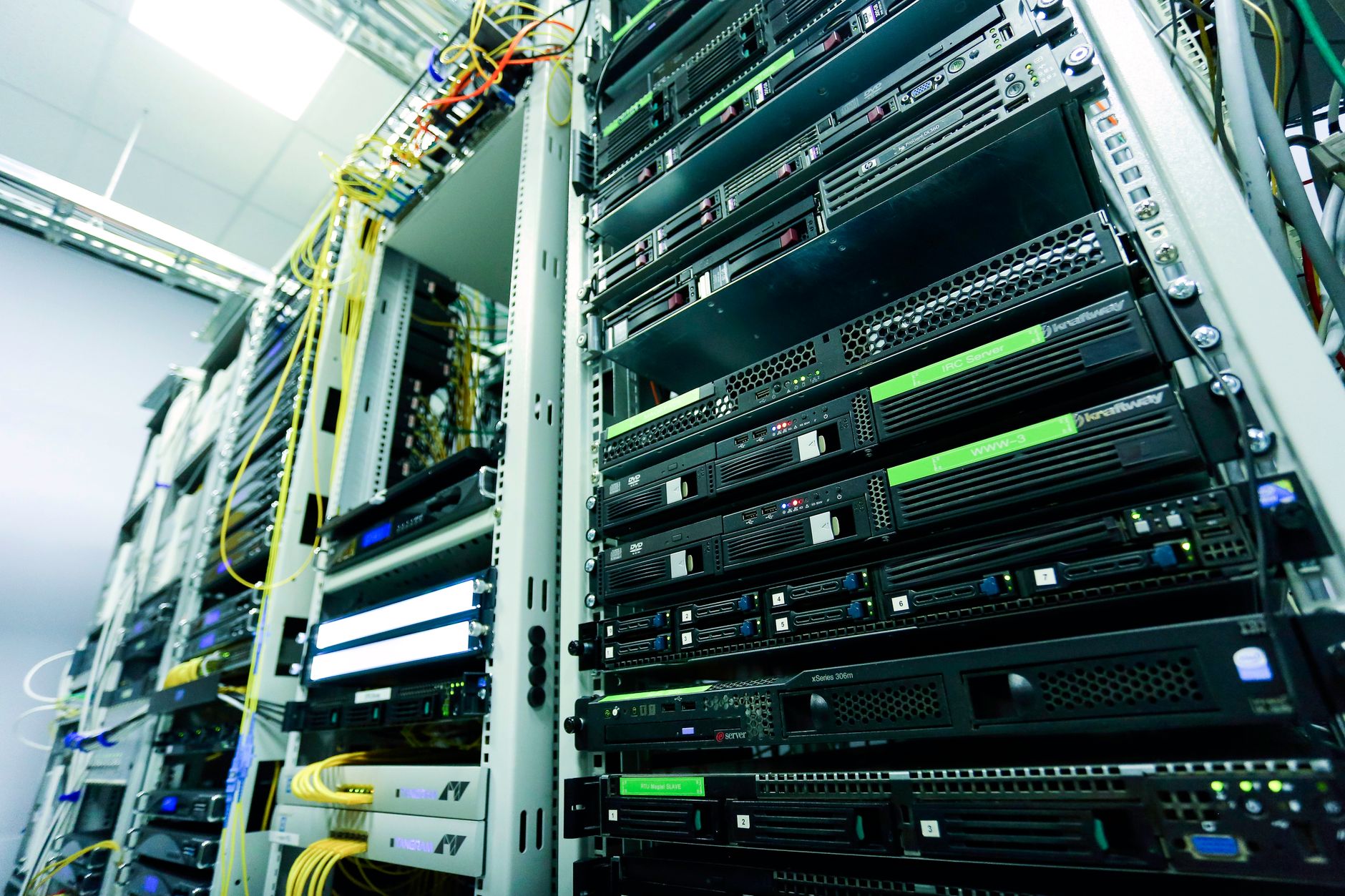
At the top of the table was KKR’s acquisition of ST Telemedia Global Data Centres, a Singapore-based operator with facilities in the city-state, Thailand, Indonesia, and the Philippines. It was the biggest PE transaction in the region since 2021, and the price reflected the scarcity of scaled digital-infrastructure assets in Asia. Coatue Management, the technology-focused investment firm, followed with a substantial commitment to DayOne Data Centers, which builds and operates capacity for hyperscale cloud providers across the region. The third megadeal, understood to involve a pan-Asian data-centre platform, rounded out a quarter in which infrastructure spending eclipsed every other sector combined.
Behind the concentration lies a structural tailwind. Southeast Asia’s data-centre market has drawn sustained interest from global infrastructure and private equity funds as AI workloads and cloud migration push enterprise demand beyond what existing capacity can supply. Over the past 18 months, Singapore eased restrictions on new data-centre construction. Malaysia did the same. Thailand followed, creating a pipeline of deals that had been bottled up during the rate-hiking cycle. Hyperscalers including AWS, Google Cloud, and Microsoft Azure have all announced regional expansions in the past year, adding urgency to the infrastructure build-out.
Exits begin to unlock
On the exit side, the numbers offered the first meaningful relief in years. Exit proceeds totalled $1.7 billion across six deals, a 75 per cent year-on-year increase, finally providing fund managers the distributions their limited partners had been waiting for. The exit backlog had been a persistent drag on Southeast Asian fundraising through 2024 and most of 2025. Sponsors were unwilling to sell into a valuation trough. Investors grew impatient with locked-up capital. The Q1 uptick, while modest in absolute terms, broke a logjam that had kept many limited partners from committing fresh capital to the region.
Pais cautioned that the exit recovery, while genuine, remains uneven across sectors and deal sizes. “Sponsors that can effectively manage cost pressures and build operational resilience across portfolios would be better positioned to unlock liquidity and generate returns as market conditions normalize,” he said.
The Q1 numbers land as global private equity confronts its own inflection point. KPMG’s Pulse of Private Equity report for the same period noted that worldwide deal activity is picking up from the 2023-2024 trough, though much of the recovery has been concentrated in infrastructure and energy transition assets — a pattern Southeast Asia replicated with striking fidelity. Global dry powder stood at roughly $2.5 trillion at year-end 2025, a record that has only intensified the pressure on fund managers to find scalable destinations for capital.
What’s next
Within the region, the recovery was anything but uniform. Indonesia and Vietnam, which together accounted for a meaningful share of 2022-2023 deal volume, were largely absent from the Q1 tally. The infrastructure deals were all Singapore-anchored. The remaining 16 transactions were concentrated in mid-market technology and healthcare assets, according to the EY-Parthenon data.
Whether the pace holds into the second quarter is the question on every fund manager’s mind. The megadeals that defined Q1 are not the kind of transactions that repeat quarterly. DealStreet Asia’s first-quarter review flagged a thinning pipeline of $500-million-plus targets, suggesting deal value may moderate even if mid-market deal count holds steady. For sponsors who spent two years waiting for the cycle to turn, the data point is unambiguous: capital is flowing into Southeast Asia at a velocity not seen since before the pandemic, and it is flowing overwhelmingly into the physical infrastructure that underpins the region’s digital economy.
Naomi Voss
Banks and deals reporter covering bank earnings, fintech, M&A and IPOs. Reports from New York.