Whirlpool swings to Q1 loss, suspends dividend, cuts 2026 EPS outlook
Whirlpool reported an $85 million Q1 net loss on Thursday and slashed its full-year ongoing EPS guidance to $3.00 to $3.50, from a prior $6.23, citing recession-level appliance demand. The company suspended its common dividend to prioritise debt paydown, and shares fell roughly 13.6 per cent premarket.
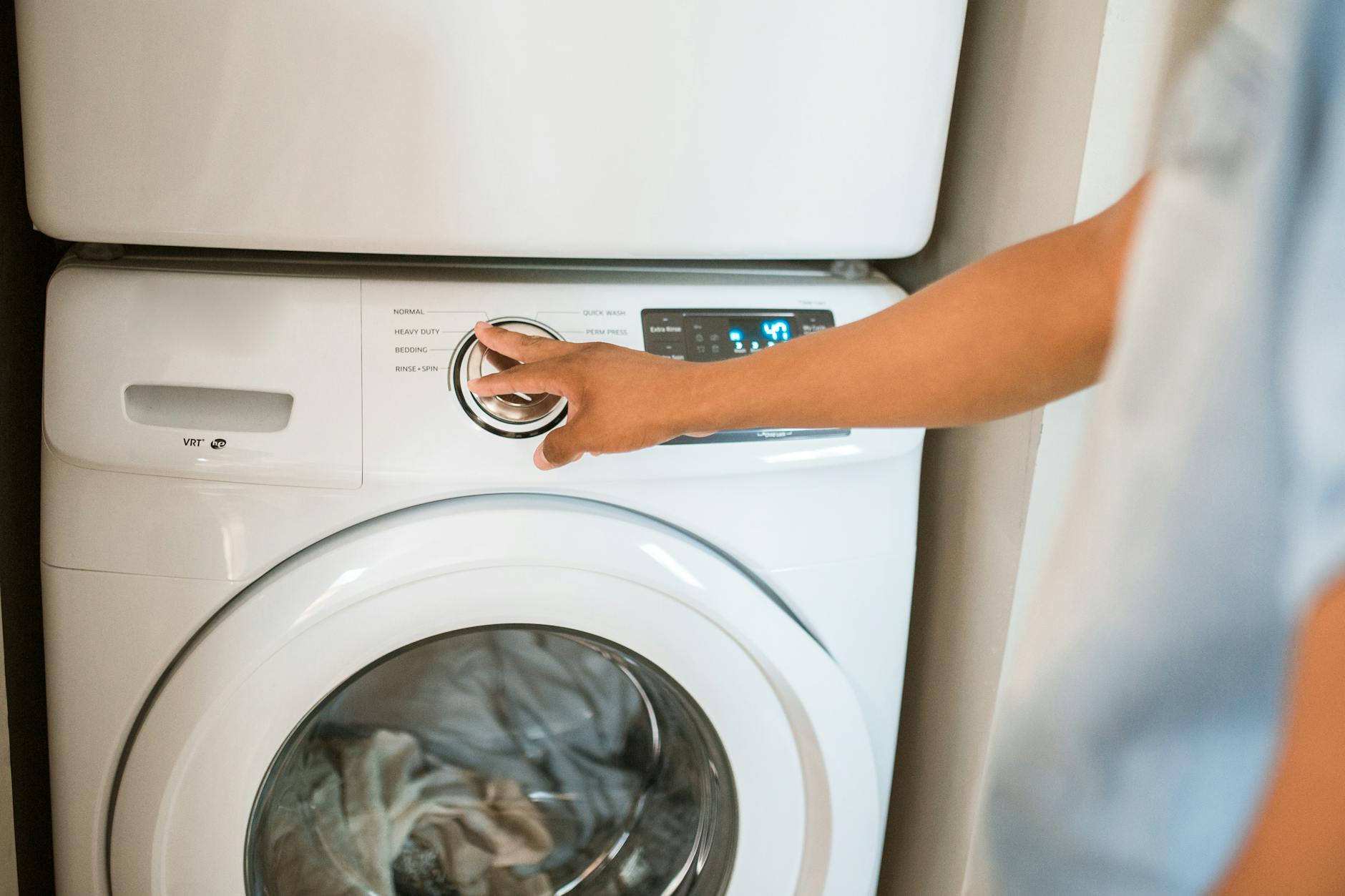
Whirlpool (WHR) reported a first-quarter net loss of $85 million on Thursday, cut full-year ongoing earnings guidance to $3.00 to $3.50 a share from a prior outlook of about $6.23, suspended its common dividend, and pushed through what management called the largest list-price increase in a decade. Shares fell roughly 13.6 per cent in premarket trading.
The Benton Harbor, Michigan company posted Q1 net sales of $3.27 billion, down 9.6 per cent year-on-year from $3.62 billion, with a GAAP loss per diluted share of $1.43 and an ongoing (non-GAAP) loss of 56 cents. Ongoing EBIT came in at $44 million, a margin of 1.3 per cent, against an EBIT of roughly $231 million in the year-ago quarter. Gross margin compressed to 12.7 per cent.
The print arrived alongside a guidance cut that wiped out roughly half of the company’s previous earnings expectation for 2026. Management now guides full-year ongoing EPS of $3.00 to $3.50, GAAP EPS of $2.45 to $2.95, free cash flow of more than $300 million, net sales of about $15.0 billion, and debt paydown of more than $900 million. The prior outlook, issued in late January, had pencilled in ongoing EPS of about $6.23.
Chief Executive Marc Bitzer told analysts on the post-earnings call that March marked an inflection. “The combination of drop in consumer sentiment, decline of consumer demand and the irrational industry pricing created an almost perfect storm during this first quarter,” Bitzer said. He described March as “exceptionally weak,” with industry demand falling to levels last seen during the 2008 to 2009 financial crisis.
Whirlpool’s board approved suspending the company’s quarterly common dividend to redirect cash to debt reduction and the rebuild of margins. Bitzer called the suspension “a very, very painful decision,” adding that he did not intend to keep it in place “for very many quarters.”
Inside the Q1 print
The headline contraction concentrated in MDA North America, the segment that sells refrigerators, washers, dryers and ranges to U.S. retailers and builders. Segment sales fell 7.5 per cent to $2.24 billion and segment EBIT collapsed 96 per cent to $6 million, putting the EBIT margin at roughly 0.3 per cent against 6.2 per cent a year earlier. Whirlpool attributed the EBIT collapse to lower volumes, higher input costs flowing through inventory, and what the company described as irrational promotional pricing by competitors stocking ahead of tariff changes.
MDA Latin America, anchored in Brazil and Mexico, ran in the other direction. Sales rose 5.0 per cent to $774 million on local-currency price gains and share growth, with EBIT of $47 million off a slightly lower margin year on year as input costs rose. Small Domestic Appliances Global, which houses the KitchenAid stand-mixer franchise, posted segment sales of $222 million, up 13.4 per cent, with EBIT up 28.7 per cent to $47 million on premium-channel strength.
The North American collapse mattered most for the consolidated print. The segment is roughly two-thirds of group sales, and a 590-basis-point margin swing flowed almost directly to operating income.
The 2026 reset
Management framed the guidance cut as a calibration to a demand environment that has, in the company’s words, tracked recession rather than the modest contraction implied by the January outlook. The new range assumes a 7 to 8 per cent decline in U.S. industry demand for major appliances over 2026, with sequential improvement from Q2 onward as price increases and cost-out programs land.
Whirlpool is targeting more than $150 million of incremental cost savings in 2026, equivalent to roughly 100 basis points of margin expansion, on top of plant-level efficiency programs and supply-chain optimisation. Pricing is the second lever. List and promotional prices in North America rose by more than 10 per cent in early Q2, the largest single move since 2015, with management expecting price/mix to swing positive starting in the June quarter.
The capital plan tightens. Whirlpool said it expects to repay more than $900 million of debt during 2026, funded by free cash flow of more than $300 million and a recently announced asset-based revolving credit facility of about $2.25 billion that closes in the current quarter. The dividend suspension, run rate roughly $390 million annually before the cut, frees additional cash for the deleveraging.
The recapitalisation backdrop
The Q1 reset arrived against a recapitalisation that closed earlier in the year. Whirlpool raised approximately $1.08 billion through a combination of common stock and mandatory-convertible preferred, lifting stockholders’ equity to roughly $3.77 billion at quarter-end. The capital raise was structured to reduce gross leverage and create financial flexibility ahead of the demand and tariff disruption that has now materialised.
Bitzer pointed analysts to the equity issuance as evidence that the dividend suspension was “additional, not substitutional,” a step taken to accelerate balance-sheet repair on top of the equity raise rather than to compensate for a missed plan.
Iran shock, tariff churn, demand cliff
The company tied a portion of the Q1 weakness to demand effects from the Iran war and to a U.S. Supreme Court ruling on IEEPA-based tariff authority that disrupted competitor pricing in late Q1. Whirlpool said the IEEPA decision triggered a wave of competitor price cuts on tariff-disfavoured imports as inventory was unwound, depressing the U.S. price floor for an estimated four-to-six-week window.
Bitzer flagged a “very rapid drop in consumer sentiment” through March as households absorbed energy-price shocks tied to the Hormuz disruption and reset planned big-ticket purchases. The pattern tracks the soft April reads in U.S. consumer confidence and the cautious tone from Federal Reserve speakers, including Cleveland’s Beth Hammack and Boston’s Susan Collins, who have used recent appearances to flag rising downside risk to U.S. growth.
What the rest of 2026 hinges on
The bull case for the new guide rests on three things. The price increases hold through Q3 with limited demand destruction. The $150 million cost programme runs to plan. North American volume stabilises in the second half as inventory at competitors clears and the IEEPA-related discounting lapses.
The bear case is symmetrical. Industry demand stays at recession levels for the back half. Promotional pricing returns through the back-to-school and holiday windows. Cost savings slip on plant-level execution, which has historically been the largest single swing factor for the segment.
Citi analyst Wamsi Mohan, in a post-print note circulated Thursday morning, kept a Sell rating and trimmed the price target, calling the demand environment “more punishing than the consensus narrative had built in” and questioning whether the $3.00 to $3.50 EPS band carries sufficient buffer for a Q3 demand miss. JPMorgan’s Michael Rehaut, who came in with a Neutral, framed the result as “kitchen-sinking” and flagged that the second half could see meaningful upside if any of the three pivot points fall the right way. The disagreement maps a fundamental question about whether March was the trough or the start of a longer floor.
The next data point is the May U.S. existing-home-sales print and the June T2 builder confidence index, both of which feed the appliance demand model. Whirlpool reports Q2 in late July, and management committed to refreshing the cost-takeout run rate at that point.
The print stands as the largest single guidance reset by a U.S. consumer-durables name in this cycle, contrasting last week’s resilient April export data from emerging-market manufacturers. Whirlpool common closed Wednesday at $48.20 and was indicated at $41.65 in premarket Thursday, the lowest level since November 2021.
Avery Lin
Markets editor covering US equities, single-name stocks and quarterly earnings. Reports from New York.
Related

AppLovin Q1 beats on revenue and EPS as Axon platform opens to outside advertisers

Fair Isaac (FICO) Q2 EPS beats by $1.53; revenue $692m, guidance raised

CoreWeave Q1 revenue beats but wider loss and soft guidance sink stock 11%

SoundHound (SOUN) shares slide 12% after Q1 beat as LivePerson deal weighs