Nubank profit climbs 50% to $895m, plans $8.2bn Brazil investment
Nu Holdings fourth-quarter net income jumped 50 per cent to $894.8m as the Latin American digital bank reached 131m customers across Brazil, Mexico, and Colombia. The company plans BRL 45bn in Brazil investment for 2026.
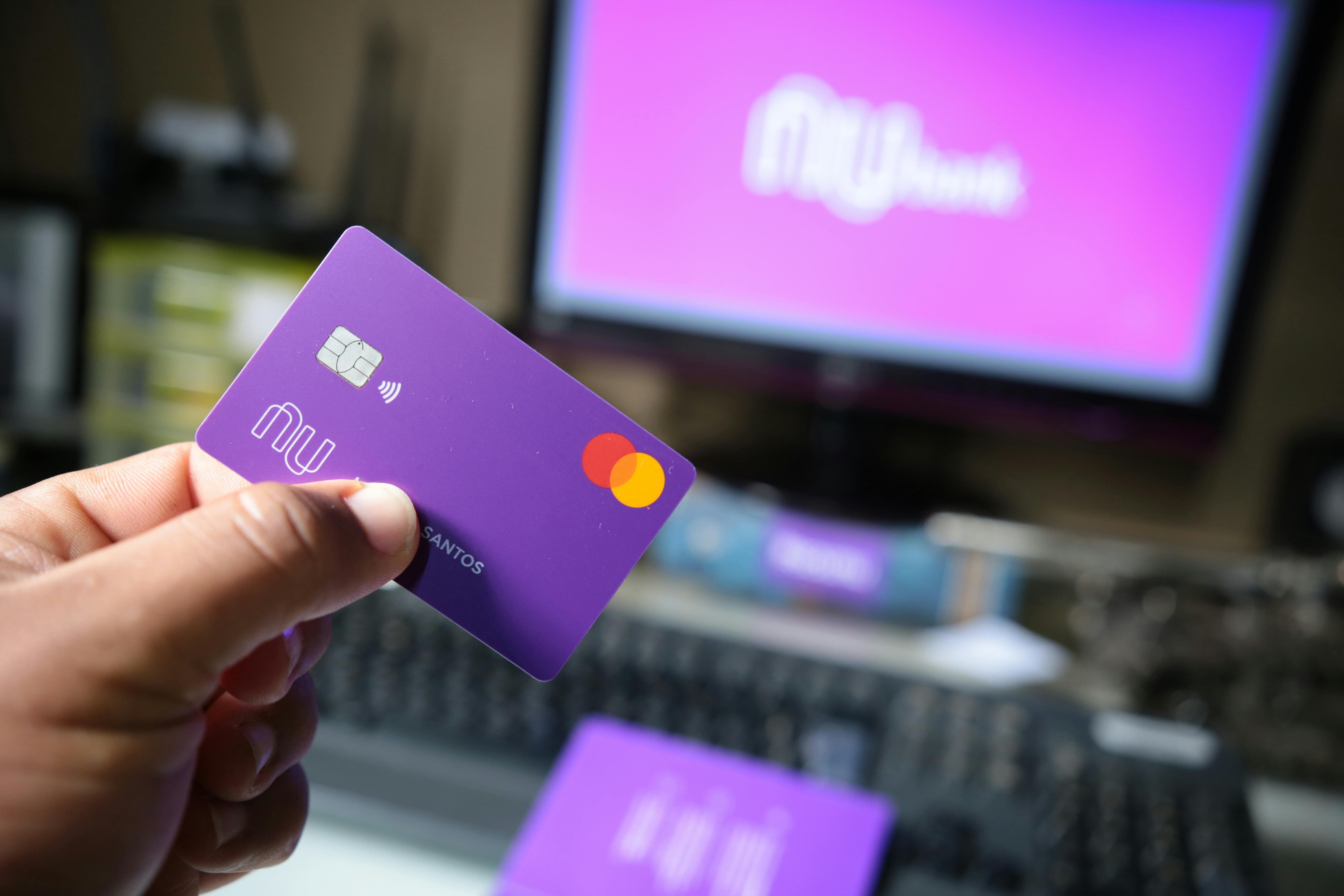
Nubank parent Nu Holdings reported fourth-quarter net income of $894.8m, a 50 per cent jump from a year earlier, as the Latin American digital bank added 17m customers in 2025 to reach 131m accounts and announced plans to invest BRL 45bn ($8.2bn) in its home market of Brazil this year.
Revenue in the quarter rose 45 per cent to $4.86bn, driven by a 40 per cent expansion in the loan portfolio to $32.7bn, while the cost to serve each active customer held at $0.80. Return on equity reached 33 per cent and the 90-day non-performing loan ratio edged down to 6.6 per cent, the company said in its full-year results published in February.
CFO Guilherme Lago attributed the profit growth to rising revenue per active customer, which hit $15 a month across a base where 83 per cent of accounts are used at least once a month. The results extend a pattern seen across digital-first financial platforms: Affirm and SoFi both posted strong revenue gains in their most recent quarters, though Nubank’s unit economics outpace US peers at a fraction of the cost base.
The Mexico expansion
Mexico is the growth story management is most bullish on. Nu Mexico director Armando Herrera told El Pais the unit had reached 14m customers, adding roughly 1m per quarter and covering 98 per cent of the country’s municipalities. Some 20m Mexican adults remain outside the formal financial system, he said, describing the unbanked population as the company’s addressable market.
Nu plans to invest $4.2bn in Mexico through 2030 on technology, cybersecurity, and regulatory readiness. Delinquency at the Mexican unit was 7.1 per cent at end-2025, below the 9.9 per cent average for the Sofipo sector, the lightly regulated financial companies through which many fintechs operate in Mexico.
Colombia has passed 4m customers and the company secured conditional OCC approval in January 2026 for a US banking charter, though management has characterised the US as a long-term option, not an immediate revenue driver.
The Brazil anchor
Brazil is the engine. The BRL 45bn investment plan for 2026 targets AI-based credit underwriting, new insurance and investment products, and expanded lending capacity. Brazil accounts for 113m of Nubank’s 131m customers, more than 60 per cent of the adult population. Across Latin America, 37m people have entered the formal financial system through a Nubank account, the company said.
The digital-only model, which avoids physical branches, keeps operating costs low. Revenue diversification is progressing: credit cards and personal loans remain the largest income source, but fee income from insurance, mutual funds, and money-market-style products is growing.
The risks
The investment case carries structural risks, as ad-hoc-news noted in a May 10 overview. Net interest margins face pressure as competition intensifies from incumbents and from well-funded rivals such as Mercado Pago, the fintech arm of Mercado Libre. Central banks in Brazil, Mexico, and Colombia maintain high policy rates, which compresses lending spreads even as it supports deposit pricing.
Currency exposure matters for a US-listed stock: earnings are generated in Brazilian reais, Mexican pesos, and Colombian pesos, while the NYSE-traded ADR is priced in dollars. A weakening real translates directly into lower reported dollar revenue. In its SEC filing, Nu acknowledged the sensitivity but did not quantify the per-real impact on EPS.
Credit quality is the measure to watch as the loan book scales. The 6.6 per cent NPL ratio is manageable in a growing economy but would bite if Latin America enters a downturn. Nubank’s credit card book, which carries higher yields than the personal loan portfolio, also carries higher loss rates. The company’s AI-driven underwriting models, a centrepiece of the BRL 45bn investment plan, have not been tested through a full credit cycle.
Regulatory fragmentation across three national jurisdictions adds compliance cost. Brazil’s central bank, Mexico’s CNBV, and Colombia’s Superintendencia Financiera each impose distinct capital, liquidity, and consumer-protection rules. The US charter application introduces a fourth regulatory layer, though with limited near-term revenue impact.
Competition is the risk analysts flag most. Mercado Pago, the fintech arm of Mercado Libre, reported 58m active fintech users across Latin America in its most recent quarter. Brazilian incumbent Itau Unibanco has responded to Nubank with its own fee-free digital account, Iti, while Mexico’s traditional banks are accelerating mobile offerings. Nubank’s first-mover advantage in digital onboarding is narrowing.
Nu Holdings stock has been volatile. The ad-hoc-news analysis characterised it as a high-growth, high-beta exposure to Latin American financial inclusion. The bull case: a low-cost digital platform adding 1m customers a month in a region where hundreds of millions remain unbanked, cross-selling from payments into credit, insurance, and investments at near-zero marginal cost. The company has delivered the customer numbers and the unit economics. Whether it can sustain both through a credit cycle is the question the next 18 months will answer.
Naomi Voss
Banks and deals reporter covering bank earnings, fintech, M&A and IPOs. Reports from New York.
Related

SoFi (SOFI) Q1 revenue beats, profit doubles, but unchanged 2026 guidance sinks stock 15%

Intuit (INTU) rises 4.9% as QuickBooks Workforce AI, Credit Karma expansion land

Block Q1 beats by $0.17, raises FY26 gross profit outlook to $12.33B

Affirm Q3 revenue rises 33% to $1.04bn, EPS beats by $0.13